
Avian Behavior and Handling
Avian Behavior:
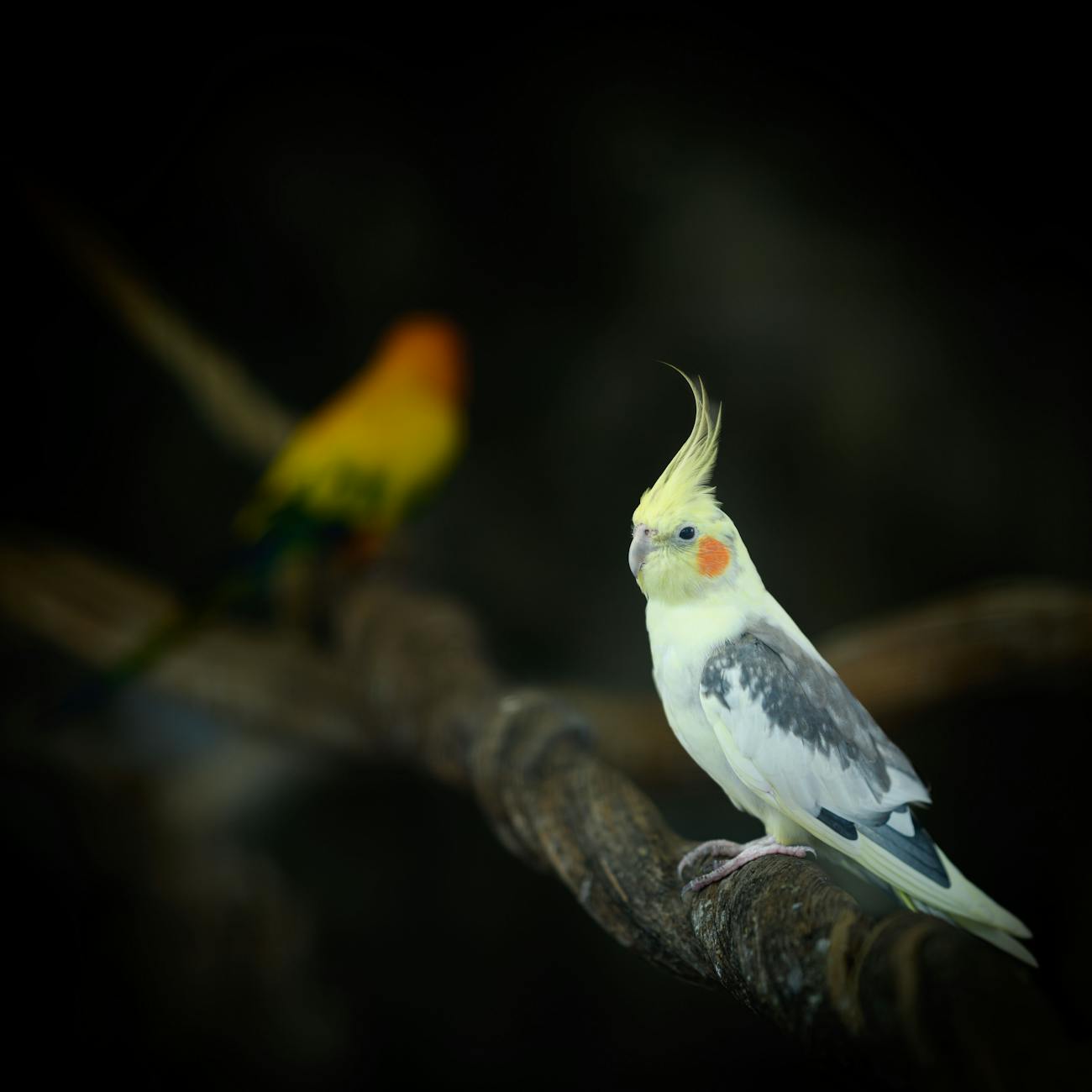
Avian Behavior:
Avian behavior refers to the actions and reactions exhibited by birds in response to internal and external stimuli. Understanding avian behavior is crucial for assessing the health and well-being of birds in captivity, as well as for effective handling and management practices.
Key Terms:
1. **Instinct**: Innate behavior patterns that birds are born with, such as migration or courtship displays.
2. **Imprinting**: A critical period early in a bird's life when it learns to recognize and bond with its caregivers.
3. **Territoriality**: The behavior of birds defending a specific area against intruders of the same species.
4. **Aggression**: Hostile behavior displayed by birds, often in response to perceived threats or competition.
5. **Flocking**: The tendency of birds to gather in groups for social interaction, protection, and foraging.
6. **Foraging**: The search for food by birds, involving various behaviors such as hunting, scavenging, and probing.
7. **Mating Displays**: Elaborate behaviors exhibited by birds to attract a mate, including singing, dancing, and courtship rituals.
8. **Communication**: The exchange of information between birds through vocalizations, body language, and visual displays.
9. **Stress Behaviors**: Signs of distress or discomfort in birds, such as feather plucking, aggression, or repetitive movements.
10. **Environmental Enrichment**: Providing stimuli in the bird's environment to encourage natural behaviors and mental stimulation.
Avian Handling:
Avian handling involves safely and effectively interacting with birds for various purposes, such as medical procedures, grooming, training, and transportation. Proper handling techniques are essential to minimize stress and ensure the well-being of the birds.
Key Terms:
1. **Restraint**: The act of limiting a bird's movement to facilitate handling, often done by gently holding or securing the bird.
2. **Towel Wrap**: A technique used to safely restrain a bird by wrapping it in a towel to prevent escape or injury.
3. **Gloved Handling**: Using protective gloves to handle birds, especially those with sharp beaks or talons.
4. **Positive Reinforcement**: Rewarding desired behaviors in birds to encourage them to repeat those behaviors in the future.
5. **Desensitization**: Gradually exposing birds to stimuli that may cause fear or anxiety to help them become more comfortable over time.
6. **Flight Training**: Teaching birds to fly to and from a designated area on command, often used in falconry or bird shows.
7. **Medical Examination**: A thorough physical assessment of a bird's health, including checking vital signs, body condition, and any potential injuries or illnesses.
8. **Transportation**: Safely moving birds from one location to another, such as for veterinary visits, shows, or relocation.
9. **Wing Clipping**: Trimming the primary flight feathers of a bird to prevent it from flying long distances or escaping.
10. **Aviary Design**: Creating an enclosure that meets the specific needs of the birds, including space, perches, nesting areas, and environmental enrichment.
Examples:
1. **Imprinting**: Ducklings raised by a human caregiver during the critical imprinting period may follow the person around as if they were their parent.
2. **Territoriality**: Male birds may engage in aggressive behaviors, such as singing loudly or chasing away intruders, to defend their nesting territory during the breeding season.
3. **Positive Reinforcement**: A trainer rewards a parrot with a treat every time it successfully performs a trick, reinforcing the desired behavior.
4. **Wing Clipping**: Pet budgerigars may have their wings clipped to prevent them from flying into windows or ceiling fans indoors.
Practical Applications:
1. **Handling**: Proper handling techniques are essential when performing medical procedures on birds, such as administering medication or taking blood samples.
2. **Training**: Using positive reinforcement techniques can help train birds to perform specific behaviors, such as stepping onto a scale or entering a carrier.
3. **Transportation**: When transporting birds, it is important to provide adequate ventilation, temperature control, and secure confinement to ensure their safety and comfort.
Challenges:
1. **Stress**: Birds can easily become stressed during handling, especially if they are not accustomed to human interaction or if the handling is rough or forceful.
2. **Injury**: Improper handling techniques can lead to injuries for both the bird and the handler, such as bites, scratches, or broken feathers.
3. **Escape**: Birds are quick and agile, making it challenging to prevent escapes during handling or transportation if proper precautions are not taken.
By understanding key terms and concepts related to avian behavior and handling, professionals in the field of avian medicine can better care for and manage birds in various settings. Proper training and experience are essential for safe and effective handling practices to ensure the health and well-being of avian patients.
Key takeaways
- Understanding avian behavior is crucial for assessing the health and well-being of birds in captivity, as well as for effective handling and management practices.
- **Instinct**: Innate behavior patterns that birds are born with, such as migration or courtship displays.
- **Imprinting**: A critical period early in a bird's life when it learns to recognize and bond with its caregivers.
- **Territoriality**: The behavior of birds defending a specific area against intruders of the same species.
- **Aggression**: Hostile behavior displayed by birds, often in response to perceived threats or competition.
- **Flocking**: The tendency of birds to gather in groups for social interaction, protection, and foraging.
- **Foraging**: The search for food by birds, involving various behaviors such as hunting, scavenging, and probing.