
Avian Diagnostic Techniques
Avian Diagnostic Techniques encompass a wide range of methods used to diagnose and monitor the health of birds. These techniques are essential in avian medicine to identify diseases, assess treatment efficacy, and prevent the spread of illn…
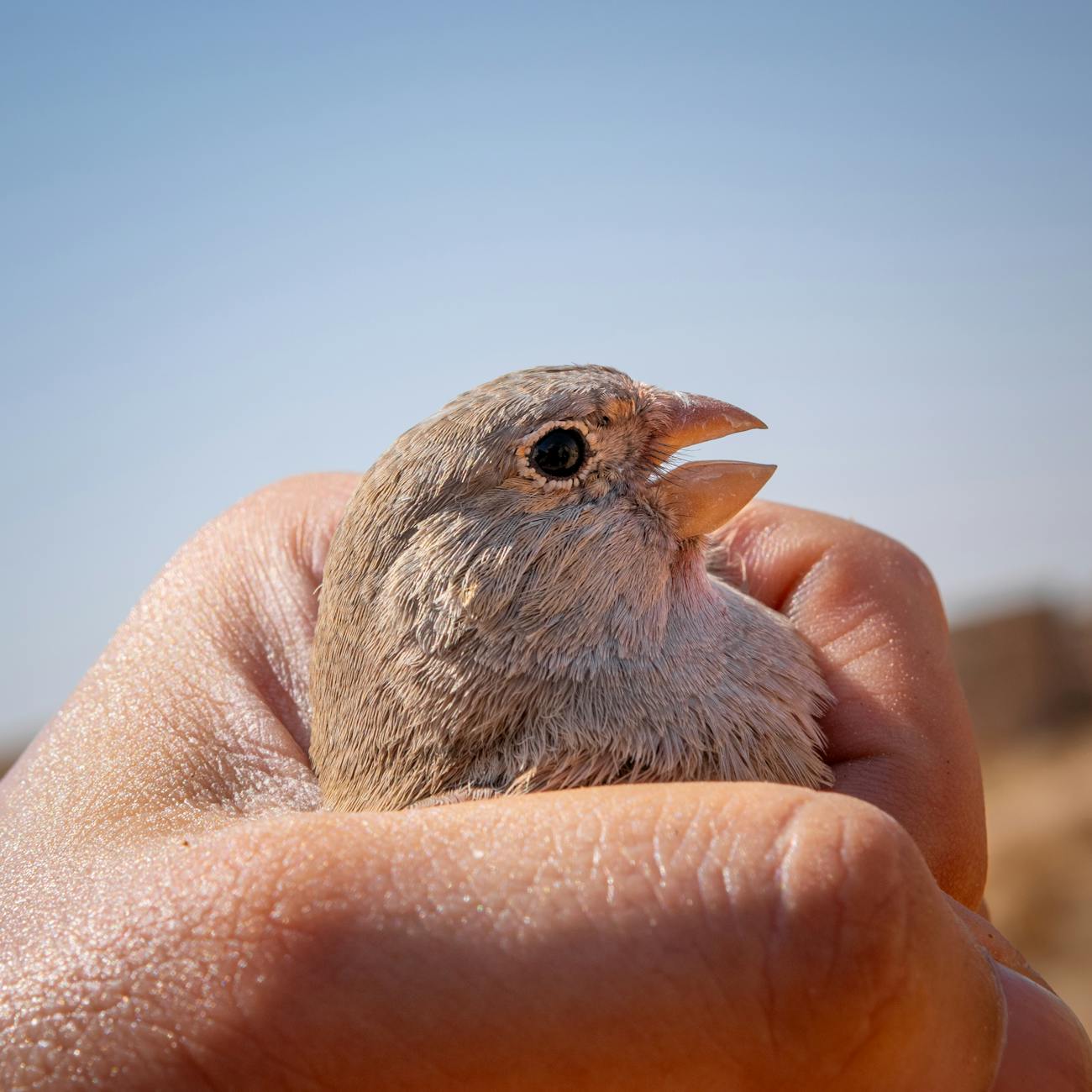
Avian Diagnostic Techniques encompass a wide range of methods used to diagnose and monitor the health of birds. These techniques are essential in avian medicine to identify diseases, assess treatment efficacy, and prevent the spread of illnesses. Understanding key terms and vocabulary related to avian diagnostic techniques is crucial for veterinarians, avian health professionals, and anyone working with birds. In this course, we will explore these terms in detail to enhance your knowledge and skills in avian medicine.
1. **Avian**: Refers to birds of all species, including poultry, pet birds, wild birds, and exotic birds.
2. **Diagnostic Techniques**: Methods used to identify diseases, disorders, or injuries in birds. These techniques help veterinarians make informed decisions about treatment and management.
3. **Clinical Examination**: The process of observing and evaluating a bird's physical appearance, behavior, and vital signs to detect any abnormalities or signs of illness.
4. **History Taking**: Gathering information about a bird's medical history, diet, environment, and previous illnesses to assist in diagnosing current health issues.
5. **Physical Examination**: A hands-on assessment of a bird's body, including palpation, auscultation, and inspection of the feathers, skin, eyes, beak, and feet.
6. **Diagnostic Testing**: Laboratory tests and imaging studies used to confirm a diagnosis or monitor a bird's health status.
7. **Hematology**: The study of blood and blood-forming tissues. Hematological tests include complete blood count (CBC), blood smears, and blood chemistry profiles.
8. **Serology**: The study of blood serum and antibodies. Serological tests detect the presence of specific antibodies in a bird's blood, indicating exposure to certain pathogens.
9. **Microbiology**: The study of microorganisms, including bacteria, viruses, fungi, and parasites. Microbiological tests help identify the causative agents of infections in birds.
10. **Cytology**: The examination of cells under a microscope. Cytological tests analyze samples from body fluids or tissues to detect abnormalities or signs of disease.
11. **Histopathology**: The microscopic examination of tissues to diagnose diseases such as tumors, inflammation, or infections. Histopathological tests require tissue samples obtained through biopsy or necropsy.
12. **PCR (Polymerase Chain Reaction)**: A molecular biology technique used to amplify and detect specific DNA sequences. PCR tests are highly sensitive and specific, making them valuable for diagnosing infectious diseases in birds.
13. **Radiography**: The use of X-rays to visualize internal structures of a bird's body. Radiographs help diagnose fractures, tumors, respiratory infections, and other conditions.
14. **Ultrasonography**: Imaging technique that uses sound waves to visualize internal organs in real-time. Ultrasonography is useful for assessing the heart, liver, kidneys, and reproductive organs in birds.
15. **Endoscopy**: A minimally invasive procedure that uses a flexible scope to examine the internal organs of a bird. Endoscopy allows veterinarians to visualize the gastrointestinal tract, respiratory system, and other body cavities.
16. **Necropsy**: Postmortem examination of a bird to determine the cause of death or identify underlying diseases. Necropsy findings provide valuable insights into disease patterns and risk factors in avian populations.
17. **Zoonosis**: Diseases that can be transmitted from birds to humans or other animals. Zoonotic infections pose a public health risk and require careful monitoring and control measures.
18. **Biosecurity**: Measures taken to prevent the introduction and spread of infectious diseases in bird populations. Biosecurity protocols include quarantine, hygiene practices, and vaccination programs.
19. **Vector**: Organisms that transmit pathogens from one host to another. Vectors in avian medicine include insects, mites, and other arthropods that can spread diseases among birds.
20. **Antimicrobial Resistance**: The ability of bacteria, viruses, or other pathogens to resist the effects of antimicrobial drugs. Antimicrobial resistance is a growing concern in avian health and requires prudent use of antibiotics.
21. **Infectious Disease**: Illnesses caused by microorganisms such as bacteria, viruses, fungi, or parasites. Common avian infectious diseases include avian influenza, Newcastle disease, infectious bronchitis, and psittacosis.
22. **Vaccine**: A biological preparation that stimulates the immune system to produce antibodies against specific pathogens. Vaccination is a critical tool in preventing infectious diseases in birds and maintaining flock health.
23. **Parasitology**: The study of parasites that infect birds, including internal parasites (worms) and external parasites (mites, lice). Parasitological tests help diagnose and treat parasitic infections in birds.
24. **Toxicology**: The study of poisons and their effects on birds. Toxicological tests identify toxic substances in a bird's body and help prevent poisoning incidents in avian populations.
25. **Avian Health Management**: Strategies and practices aimed at promoting the health and well-being of birds. Health management programs include nutrition, housing, hygiene, and disease prevention measures.
26. **Challenges in Avian Medicine**: Avian veterinarians face various challenges in diagnosing and treating diseases in birds, including limited diagnostic tools, emerging infectious diseases, antimicrobial resistance, and zoonotic risks.
27. **One Health Approach**: An interdisciplinary approach that recognizes the interconnectedness of human, animal, and environmental health. The One Health approach emphasizes collaboration among healthcare professionals, veterinarians, and environmental scientists to address global health challenges.
28. **Telemedicine**: The use of telecommunication technologies to provide remote healthcare services. Telemedicine allows avian veterinarians to consult with experts, share diagnostic images, and monitor bird health from a distance.
29. **Emerging Infectious Diseases**: Novel diseases that have recently appeared in bird populations or pose a threat to avian health. Emerging infectious diseases require rapid detection, surveillance, and control measures to prevent outbreaks.
30. **Genetic Testing**: Molecular tests that analyze a bird's genetic makeup for inherited diseases or predispositions. Genetic testing helps breeders select healthy birds and prevent genetic disorders in avian populations.
31. **Point-of-Care Testing**: Rapid diagnostic tests that provide immediate results at the point of care. Point-of-care tests are valuable in emergency situations, on-farm diagnostics, and field studies where quick decisions are essential.
32. **Quality Assurance**: Practices and procedures that ensure the reliability and accuracy of diagnostic tests. Quality assurance measures include calibration, validation, and proficiency testing to maintain high standards in avian diagnostics.
33. **Diagnostic Sensitivity and Specificity**: The ability of a test to correctly identify positive and negative cases, respectively. Sensitivity measures the test's ability to detect true positives, while specificity measures its ability to exclude false positives.
34. **Diagnostic Accuracy**: The overall correctness of a diagnostic test's results, including sensitivity, specificity, and predictive values. Diagnostic accuracy is essential for making informed decisions about a bird's health status and treatment.
35. **Diagnostic Imaging**: Techniques that produce visual images of a bird's internal structures for diagnostic purposes. Diagnostic imaging modalities include radiography, ultrasonography, computed tomography (CT), and magnetic resonance imaging (MRI).
36. **Cross-Contamination**: The unintentional transfer of pathogens from one sample or bird to another, leading to false-positive results or disease outbreaks. Cross-contamination can occur during sample collection, processing, or storage if proper hygiene practices are not followed.
37. **Epidemiology**: The study of disease patterns and risk factors in populations. Epidemiological investigations help identify the source of outbreaks, track disease transmission, and implement control measures to prevent further spread.
38. **Surveillance**: Ongoing monitoring of avian populations for the presence of diseases or health threats. Surveillance programs collect data on disease prevalence, distribution, and trends to inform decision-making and disease control strategies.
39. **Risk Assessment**: The process of evaluating potential risks to bird health and identifying measures to mitigate those risks. Risk assessment considers factors such as disease prevalence, transmission routes, and biosecurity practices to prevent disease outbreaks.
40. **Quarantine**: Isolation of sick or potentially infected birds to prevent the spread of diseases to healthy individuals. Quarantine protocols include separate housing, monitoring, and testing to ensure the health and safety of avian populations.
41. **Sample Collection**: Techniques for collecting biological samples from birds for diagnostic testing. Common sample types include blood, feces, swabs, tissues, and environmental samples (e.g., water, soil) for microbiological, parasitological, or toxicological analysis.
42. **Diagnostic Algorithm**: A step-by-step approach to diagnosing diseases in birds based on clinical signs, history, and diagnostic test results. Diagnostic algorithms help veterinarians systematically evaluate a bird's health status and determine the most appropriate diagnostic tests.
43. **Interpretation of Diagnostic Results**: Analyzing and understanding the findings of diagnostic tests to make accurate diagnoses and treatment decisions. Interpretation of diagnostic results requires knowledge of normal values, disease patterns, and test limitations.
44. **Treatment Monitoring**: Evaluating a bird's response to treatment using diagnostic tests and clinical assessments. Treatment monitoring helps veterinarians adjust therapy, assess treatment efficacy, and prevent complications during recovery.
45. **Disease Surveillance Systems**: Networks of laboratories, veterinarians, and government agencies that monitor and report diseases in avian populations. Disease surveillance systems facilitate early detection, rapid response, and control of infectious diseases in birds.
46. **Health Certificates**: Official documents issued by veterinarians to certify a bird's health status for travel, trade, or exhibition purposes. Health certificates attest that a bird is free from infectious diseases and meets specific health requirements.
47. **Personal Protective Equipment (PPE)**: Clothing and gear worn to protect individuals from exposure to infectious agents or hazardous materials. PPE for avian health professionals may include gloves, masks, goggles, gowns, and respiratory protection to prevent contamination and infection.
48. **Euthanasia**: Humane euthanasia is the painless killing of a bird to end suffering or prevent further distress. Euthanasia methods should be quick, irreversible, and performed by trained professionals following ethical guidelines and legal regulations.
49. **Public Health Surveillance**: Monitoring and analyzing disease trends in humans and animals to protect public health. Public health surveillance systems track zoonotic diseases, emerging infections, and antimicrobial resistance to prevent outbreaks and ensure timely interventions.
50. **Regulatory Compliance**: Adhering to laws, regulations, and guidelines governing avian health, welfare, and biosecurity. Regulatory compliance ensures ethical treatment of birds, safe practices in avian facilities, and adherence to industry standards for disease control and prevention.
In conclusion, mastering the key terms and vocabulary related to Avian Diagnostic Techniques is essential for professionals in avian medicine to effectively diagnose, treat, and manage the health of birds. By understanding these concepts, you will be better equipped to provide quality care, prevent disease outbreaks, and promote the well-being of avian populations. Keep exploring and learning about avian diagnostic techniques to stay updated with the latest advancements and best practices in avian health management.
Key takeaways
- Understanding key terms and vocabulary related to avian diagnostic techniques is crucial for veterinarians, avian health professionals, and anyone working with birds.
- **Avian**: Refers to birds of all species, including poultry, pet birds, wild birds, and exotic birds.
- **Diagnostic Techniques**: Methods used to identify diseases, disorders, or injuries in birds.
- **Clinical Examination**: The process of observing and evaluating a bird's physical appearance, behavior, and vital signs to detect any abnormalities or signs of illness.
- **History Taking**: Gathering information about a bird's medical history, diet, environment, and previous illnesses to assist in diagnosing current health issues.
- **Physical Examination**: A hands-on assessment of a bird's body, including palpation, auscultation, and inspection of the feathers, skin, eyes, beak, and feet.
- **Diagnostic Testing**: Laboratory tests and imaging studies used to confirm a diagnosis or monitor a bird's health status.