
Avian Diseases and Pathology
Avian diseases and pathology are crucial topics in the field of avian medicine. Understanding the key terms and vocabulary associated with these areas is essential for diagnosing, treating, and preventing diseases in birds. Below is an in-d…
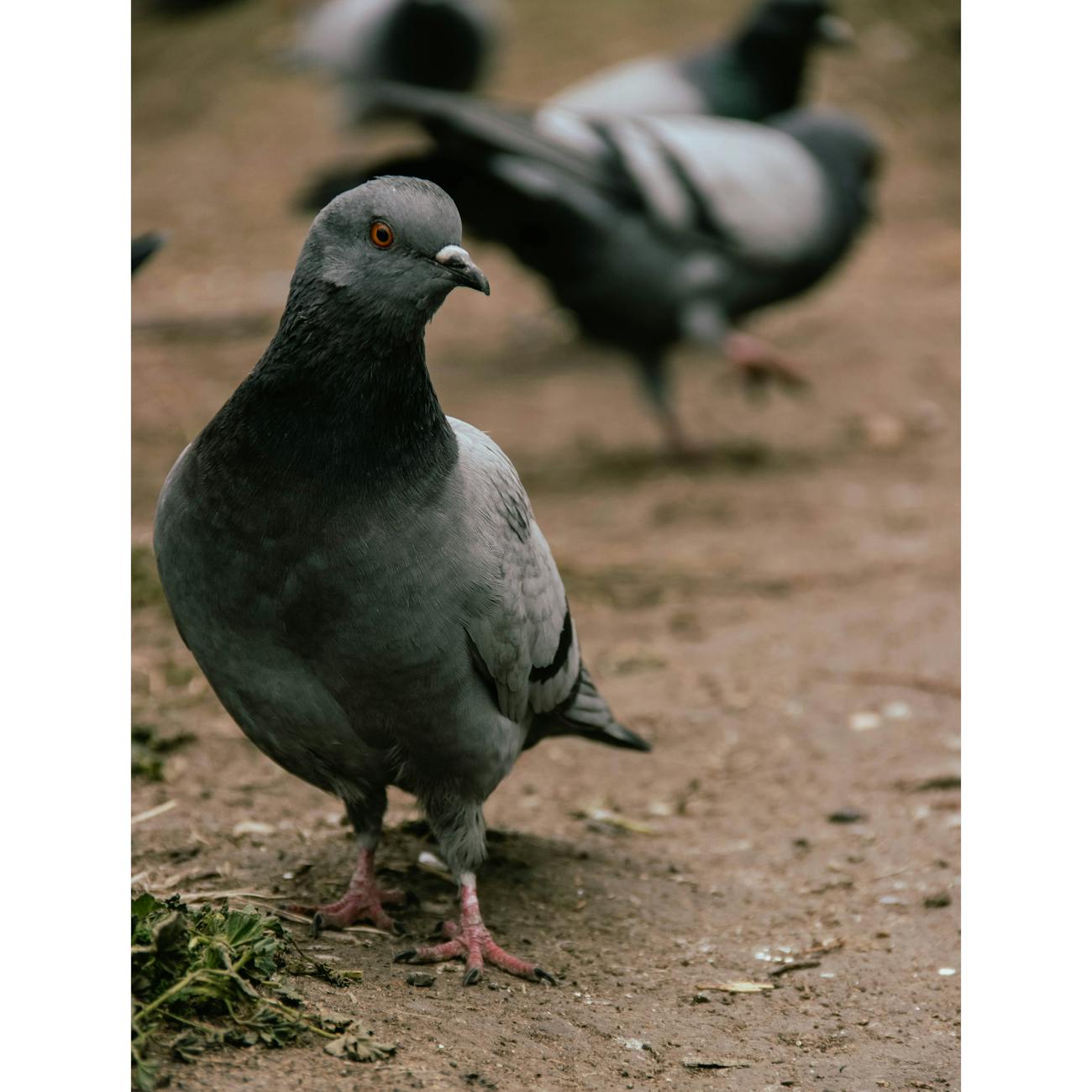
Avian diseases and pathology are crucial topics in the field of avian medicine. Understanding the key terms and vocabulary associated with these areas is essential for diagnosing, treating, and preventing diseases in birds. Below is an in-depth explanation of important terms and concepts related to avian diseases and pathology.
1. **Avian Pathology**: Avian pathology is the study of diseases that affect birds. This field focuses on the causes, mechanisms, and effects of diseases in birds, as well as their diagnosis, treatment, and prevention.
2. **Avian Diseases**: Avian diseases are illnesses that affect birds. These diseases can be caused by various factors such as bacteria, viruses, fungi, parasites, toxins, nutritional deficiencies, and genetic abnormalities.
3. **Infectious Diseases**: Infectious diseases are caused by pathogens such as bacteria, viruses, fungi, and parasites. These diseases can spread from one bird to another through direct or indirect contact.
4. **Non-Infectious Diseases**: Non-infectious diseases are caused by factors other than pathogens, such as nutritional imbalances, toxins, trauma, and genetic abnormalities.
5. **Zoonotic Diseases**: Zoonotic diseases are diseases that can be transmitted from birds to humans. Examples of zoonotic avian diseases include avian influenza and psittacosis.
6. **Endemic Diseases**: Endemic diseases are diseases that are consistently present in a specific geographic region or population of birds. These diseases may have a relatively stable prevalence over time.
7. **Epidemic Diseases**: Epidemic diseases are diseases that spread rapidly and affect a large number of birds within a short period. Epidemics are often caused by highly contagious pathogens.
8. **Pandemic Diseases**: Pandemic diseases are epidemics that spread across multiple regions or continents, affecting a significant portion of the bird population.
9. **Diagnostic Tests**: Diagnostic tests are procedures used to identify the presence of a disease in a bird. Common diagnostic tests for avian diseases include blood tests, fecal tests, bacterial cultures, and imaging studies.
10. **Clinical Signs**: Clinical signs are observable manifestations of a disease in a bird. Common clinical signs of avian diseases include lethargy, anorexia, respiratory distress, diarrhea, and abnormal feathering.
11. **Lesions**: Lesions are abnormal changes in tissues or organs caused by disease. Lesions can be macroscopic (visible to the naked eye) or microscopic (visible only under a microscope).
12. **Necropsy**: Necropsy, also known as post-mortem examination or autopsy, is the examination of a bird's body after death to determine the cause of death or diagnose underlying diseases.
13. **Pathogen**: A pathogen is a microorganism that causes disease. Common pathogens in birds include bacteria, viruses, fungi, and parasites.
14. **Vectors**: Vectors are organisms that transmit pathogens from one bird to another. Examples of vectors include mosquitoes, ticks, mites, and flies.
15. **Vaccination**: Vaccination is the administration of a vaccine to stimulate the bird's immune system to produce protective antibodies against specific pathogens. Vaccination is an important preventive measure for many avian diseases.
16. **Biosecurity**: Biosecurity refers to measures taken to prevent the introduction and spread of diseases in a bird population. Biosecurity practices include quarantine, disinfection, and controlling access to the bird premises.
17. **Quarantine**: Quarantine is the isolation of newly arrived birds to prevent the introduction of diseases into an existing bird population. Quarantine helps to monitor the health status of new birds and prevent the spread of diseases.
18. **Disinfection**: Disinfection is the process of killing or inactivating pathogens on surfaces, equipment, and materials to prevent the spread of diseases. Common disinfectants used in avian medicine include bleach, quaternary ammonium compounds, and iodine-based solutions.
19. **Husbandry Practices**: Husbandry practices refer to the management and care of birds to promote their health and well-being. Good husbandry practices include providing a balanced diet, clean water, appropriate housing, and environmental enrichment.
20. **Nutritional Diseases**: Nutritional diseases are disorders caused by imbalances or deficiencies in a bird's diet. Common nutritional diseases in birds include vitamin deficiencies, mineral imbalances, and obesity.
21. **Toxicosis**: Toxicosis is poisoning caused by the ingestion of toxic substances. Birds can be exposed to toxins through contaminated food, water, air, or materials in their environment.
22. **Avian Influenza**: Avian influenza, also known as bird flu, is a contagious viral disease that affects birds, including domestic poultry and wild birds. Avian influenza viruses can be highly pathogenic and pose a significant threat to the poultry industry and public health.
23. **Newcastle Disease**: Newcastle disease is a highly contagious viral disease that affects a wide range of bird species, including chickens, turkeys, and wild birds. Newcastle disease can cause respiratory, gastrointestinal, and neurological symptoms in infected birds.
24. **Psittacosis**: Psittacosis, also known as parrot fever, is a zoonotic bacterial disease caused by Chlamydia psittaci. Psittacosis can affect a variety of bird species, including parrots, pigeons, and poultry, as well as humans who come into contact with infected birds.
25. **Aspergillosis**: Aspergillosis is a fungal disease caused by Aspergillus spp. that can affect the respiratory system of birds. Aspergillosis is commonly associated with poor ventilation, high humidity, and moldy environments.
26. **Coccidiosis**: Coccidiosis is a parasitic disease caused by protozoa of the genus Eimeria. Coccidiosis affects the intestinal tract of birds and can cause diarrhea, weight loss, and decreased productivity in poultry.
27. **Marek's Disease**: Marek's disease is a viral disease of chickens caused by Marek's disease virus (MDV). Marek's disease is characterized by tumors, paralysis, and immunosuppression in infected birds.
28. **Avian Encephalomyelitis**: Avian encephalomyelitis is a viral disease that affects young poultry, causing neurological signs such as tremors, ataxia, and paralysis. Avian encephalomyelitis can lead to decreased growth rates and mortality in affected birds.
29. **Fowl Pox**: Fowl pox is a viral disease of poultry caused by avipoxviruses. Fowl pox can manifest as dry or wet lesions on the skin, mucous membranes, and respiratory tract of infected birds.
30. **Infectious Bronchitis**: Infectious bronchitis is a viral respiratory disease of chickens caused by infectious bronchitis virus (IBV). Infectious bronchitis can result in respiratory signs, decreased egg production, and poor hatchability in affected birds.
31. **Infectious Bursal Disease**: Infectious bursal disease, also known as Gumboro disease, is a viral disease of young chickens caused by infectious bursal disease virus (IBDV). Infectious bursal disease targets the bursa of Fabricius, leading to immunosuppression and increased susceptibility to other pathogens.
32. **Pullorum Disease**: Pullorum disease, caused by Salmonella enterica serovar Pullorum, is a bacterial disease that affects young poultry, causing mortality, decreased growth rates, and decreased egg production.
33. **Waterfowl Viral Enteritis**: Waterfowl viral enteritis, also known as duck viral enteritis or duck plague, is a viral disease of ducks, geese, and swans caused by Herpesvirus anatid herpesvirus 1. Waterfowl viral enteritis can result in high mortality rates in affected birds.
34. **Chlamydiosis**: Chlamydiosis is a bacterial disease caused by Chlamydia psittaci that can affect a wide range of bird species, including parrots, pigeons, and poultry. Chlamydiosis can cause respiratory, gastrointestinal, and systemic signs in infected birds.
35. **Histomoniasis**: Histomoniasis, also known as blackhead disease, is a parasitic disease of poultry caused by Histomonas meleagridis. Histomoniasis can result in liver damage, diarrhea, and mortality in infected birds.
36. **Mycoplasmosis**: Mycoplasmosis is a bacterial disease caused by Mycoplasma spp. that can affect the respiratory, reproductive, and musculoskeletal systems of birds. Mycoplasmosis is a common cause of respiratory disease in poultry.
37. **Avian Tuberculosis**: Avian tuberculosis is a chronic bacterial disease caused by Mycobacterium avium or Mycobacterium genavense that can affect multiple organs in birds. Avian tuberculosis can lead to weight loss, weakness, and organ failure in infected birds.
38. **Protozoal Diseases**: Protozoal diseases are caused by protozoan parasites such as Eimeria spp. and Histomonas meleagridis. Protozoal diseases can affect the gastrointestinal tract, liver, and other organs in birds.
39. **Fungal Diseases**: Fungal diseases are caused by fungi such as Aspergillus spp. and Candida spp. Fungal diseases can affect the respiratory, digestive, and integumentary systems of birds.
40. **Viral Diseases**: Viral diseases are caused by viruses such as avian influenza virus, Newcastle disease virus, and infectious bronchitis virus. Viral diseases can affect multiple organ systems and cause a wide range of clinical signs in birds.
41. **Bacterial Diseases**: Bacterial diseases are caused by bacteria such as Salmonella spp., Escherichia coli, and Mycoplasma spp. Bacterial diseases can affect various organs and systems in birds and may result in localized or systemic infections.
42. **Parasitic Diseases**: Parasitic diseases are caused by parasites such as Eimeria spp., Ascaridia spp., and mites. Parasitic diseases can affect the gastrointestinal tract, respiratory system, skin, and feathers of birds.
43. **Preventive Medicine**: Preventive medicine involves strategies to prevent the occurrence and spread of diseases in birds. Preventive measures include vaccination, biosecurity, hygiene, and monitoring the health status of birds.
44. **Treatment**: Treatment involves interventions to manage and cure diseases in birds. Treatment options may include medications, supportive care, surgical procedures, and environmental modifications to improve the health and well-being of affected birds.
45. **Prognosis**: Prognosis is the predicted outcome of a disease in a bird. Prognosis may vary depending on the type and severity of the disease, the bird's age and overall health status, and the effectiveness of treatment.
46. **Euthanasia**: Euthanasia is the humane and painless killing of a bird that is suffering from a terminal illness or severe injury. Euthanasia may be necessary to prevent further suffering and improve the welfare of the affected bird.
47. **One Health Approach**: The One Health approach recognizes the interconnectedness of human, animal, and environmental health. This approach emphasizes collaboration among veterinary, medical, and environmental professionals to address health issues that affect multiple species, including avian diseases.
48. **Challenges in Avian Medicine**: Avian medicine faces various challenges, including emerging infectious diseases, antimicrobial resistance, limited resources in veterinary care, and the need for continuous education and training in avian health management.
49. **Research and Innovation**: Research and innovation play a crucial role in advancing avian medicine and improving the diagnosis, treatment, and prevention of diseases in birds. Ongoing research efforts focus on developing new vaccines, diagnostic tests, and treatment modalities for avian diseases.
50. **Continuing Education**: Continuing education is essential for veterinarians, veterinary technicians, and other professionals involved in avian medicine to stay updated on the latest developments in avian health and enhance their knowledge and skills in diagnosing and managing avian diseases.
In conclusion, avian diseases and pathology encompass a wide range of conditions that affect birds, including infectious, non-infectious, viral, bacterial, fungal, and parasitic diseases. Understanding the key terms and concepts related to avian diseases is essential for effectively diagnosing, treating, and preventing diseases in birds. By staying informed about the latest research and advancements in avian medicine, veterinary professionals can improve the health and welfare of birds in their care.
Key takeaways
- Understanding the key terms and vocabulary associated with these areas is essential for diagnosing, treating, and preventing diseases in birds.
- This field focuses on the causes, mechanisms, and effects of diseases in birds, as well as their diagnosis, treatment, and prevention.
- These diseases can be caused by various factors such as bacteria, viruses, fungi, parasites, toxins, nutritional deficiencies, and genetic abnormalities.
- **Infectious Diseases**: Infectious diseases are caused by pathogens such as bacteria, viruses, fungi, and parasites.
- **Non-Infectious Diseases**: Non-infectious diseases are caused by factors other than pathogens, such as nutritional imbalances, toxins, trauma, and genetic abnormalities.
- **Zoonotic Diseases**: Zoonotic diseases are diseases that can be transmitted from birds to humans.
- **Endemic Diseases**: Endemic diseases are diseases that are consistently present in a specific geographic region or population of birds.