
Genetic Improvement Programs
Genetic improvement programs in livestock are crucial for enhancing desirable traits in animals to meet the evolving demands of consumers, improve animal welfare, and increase productivity. These programs utilize various breeding techniques…
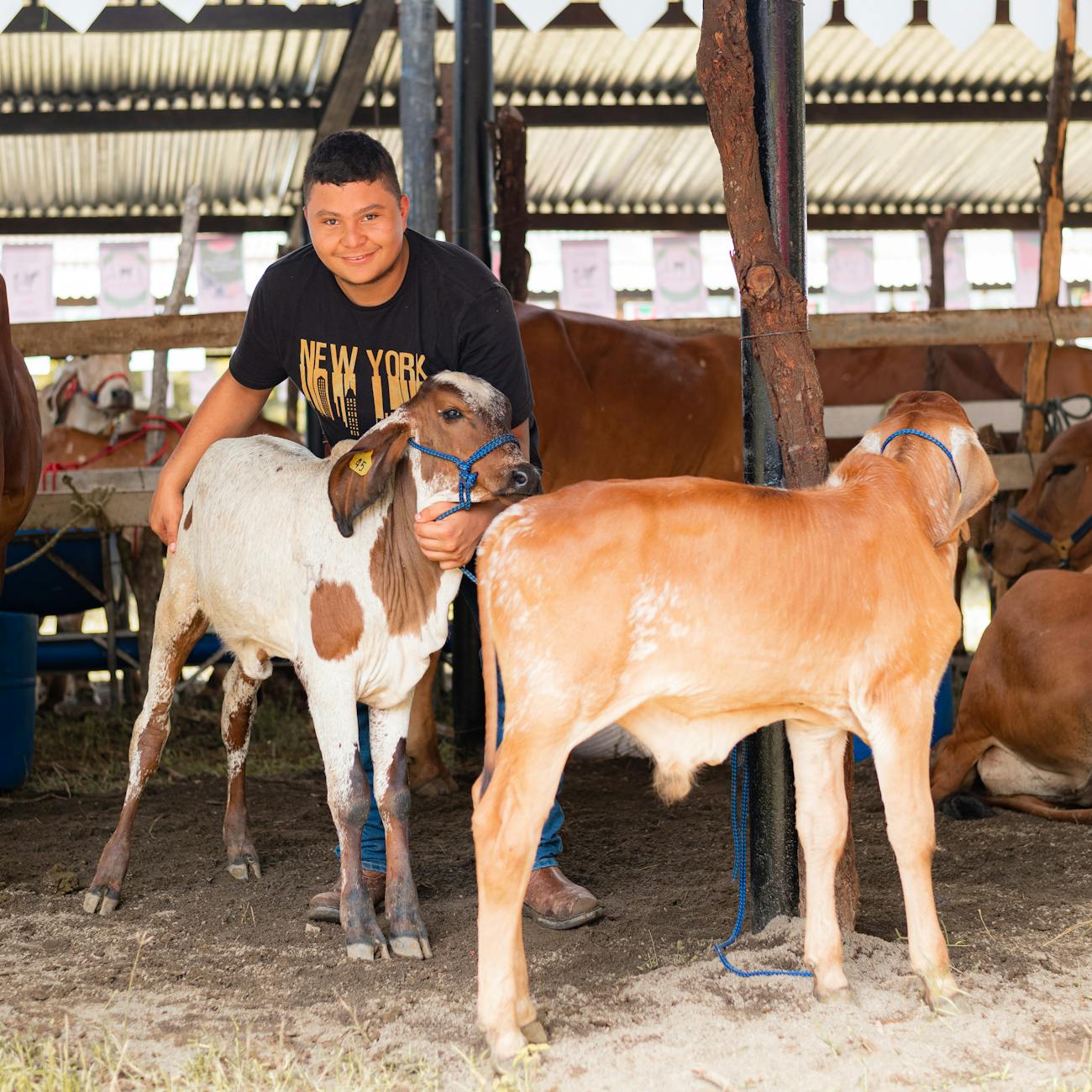
Genetic improvement programs in livestock are crucial for enhancing desirable traits in animals to meet the evolving demands of consumers, improve animal welfare, and increase productivity. These programs utilize various breeding techniques, including genomic selection, to accelerate genetic progress and achieve desired outcomes efficiently. Understanding key terms and vocabulary associated with genetic improvement programs is essential for professionals working in the field of livestock genomic breeding.
**Genetic Improvement Programs**:
Genetic improvement programs aim to enhance the genetic makeup of livestock populations through selective breeding. These programs target specific traits such as growth rate, feed efficiency, disease resistance, and product quality to improve overall performance and profitability. By identifying and selecting animals with superior genetic potential, genetic improvement programs can achieve significant advancements in desired traits within a relatively short period.
**Genomic Selection**:
Genomic selection is a breeding strategy that utilizes genomic information to predict the genetic merit of animals accurately. By analyzing DNA markers across the genome, genomic selection enables breeders to identify individuals with desirable traits early in life, even before they exhibit phenotypic characteristics. This technology accelerates genetic progress by enabling the selection of superior animals based on their genomic profile, leading to more efficient breeding programs.
**Genetic Merit**:
Genetic merit refers to the overall genetic value of an animal for specific traits of interest. It is determined by the combination of alleles inherited from the parents, which influence the animal's performance and characteristics. Evaluating genetic merit is crucial in genetic improvement programs as it helps breeders identify superior animals for breeding purposes and make informed decisions to enhance desired traits in the population.
**Phenotypic Traits**:
Phenotypic traits are observable characteristics or traits exhibited by an animal, such as body size, milk production, and coat color. These traits are influenced by both genetic and environmental factors and play a significant role in determining the animal's performance and suitability for specific purposes. Phenotypic traits are essential in genetic improvement programs as they provide valuable information about an animal's genetic potential and performance.
**Heritability**:
Heritability is a measure of the proportion of variation in a trait that is due to genetic factors. It indicates the degree to which genetic differences among individuals contribute to phenotypic differences in a population. Traits with high heritability are more easily influenced by selective breeding, while traits with low heritability are influenced more by environmental factors. Understanding the heritability of traits is crucial in genetic improvement programs to optimize breeding strategies effectively.
**Genetic Diversity**:
Genetic diversity refers to the variety of different alleles present in a population. It is essential for maintaining the resilience and adaptability of livestock species to environmental changes, diseases, and other challenges. Genetic diversity allows breeders to introduce new genetic material into populations, reducing the risk of inbreeding and improving overall genetic health. Preserving genetic diversity is a key consideration in genetic improvement programs to ensure the long-term sustainability of livestock populations.
**Marker-Assisted Selection (MAS)**:
Marker-assisted selection is a breeding technique that uses molecular markers to identify and select animals with specific genetic traits. By analyzing DNA markers associated with desirable traits, breeders can make informed decisions on which animals to breed, leading to more efficient genetic improvement programs. MAS accelerates the breeding process by enabling the selection of animals based on their genetic profile, improving the accuracy and speed of genetic progress.
**Quantitative Trait Loci (QTL)**:
Quantitative trait loci are specific regions of the genome that are associated with quantitative traits, such as growth rate, milk production, and disease resistance. By identifying QTL linked to desirable traits, breeders can target these regions during genetic selection to enhance the expression of desired characteristics in livestock populations. Understanding QTL is essential in genetic improvement programs as it provides valuable insights into the genetic basis of complex traits and informs breeding decisions.
**Genomic Breeding Values (GBVs)**:
Genomic breeding values are estimates of an animal's genetic merit based on genomic information. By analyzing DNA markers across the genome, breeders can predict the genetic potential of animals for specific traits accurately. GBVs enable breeders to make informed decisions on which animals to select for breeding purposes, leading to more efficient genetic improvement programs. Incorporating GBVs into breeding strategies enhances the accuracy and speed of genetic progress in livestock populations.
**Genomic Inbreeding**:
Genomic inbreeding refers to the level of inbreeding within a population based on genomic information. Inbreeding occurs when closely related individuals are bred together, leading to a reduction in genetic diversity and an increased risk of inherited diseases. Monitoring genomic inbreeding is crucial in genetic improvement programs to prevent the negative effects of inbreeding depression and maintain the genetic health of livestock populations.
**Genotype-Environment Interaction**:
Genotype-environment interaction refers to the influence of genetic factors and environmental conditions on the expression of traits in animals. Different genotypes may respond differently to environmental stimuli, affecting the performance and adaptation of animals in various conditions. Understanding genotype-environment interaction is essential in genetic improvement programs as it helps breeders optimize breeding strategies and management practices to maximize the genetic potential of animals under different environmental scenarios.
**Genetic Gain**:
Genetic gain is the improvement in genetic merit achieved through selective breeding over time. It is a measure of the progress made in enhancing desired traits in a population through genetic improvement programs. By selecting animals with superior genetic potential for breeding, breeders can increase genetic gain and accelerate the improvement of specific traits within a population. Maximizing genetic gain is a primary goal of genetic improvement programs to enhance the overall performance and profitability of livestock production.
**Selection Index**:
A selection index is a mathematical formula that combines multiple traits into a single value to rank animals based on their overall genetic merit. By weighting different traits according to their economic importance, breeders can use a selection index to identify animals with the most desirable combination of traits for breeding purposes. Selection indexes streamline the selection process in genetic improvement programs by providing a comprehensive assessment of an animal's genetic potential for multiple traits simultaneously.
**Genomic Prediction**:
Genomic prediction is a statistical method that uses genomic information to predict the genetic merit of animals for specific traits accurately. By analyzing DNA markers across the genome, genomic prediction models can estimate the breeding value of animals and identify individuals with superior genetic potential. Genomic prediction enhances the efficiency of genetic improvement programs by enabling breeders to make informed decisions on which animals to select for breeding, leading to faster genetic progress and enhanced trait expression in livestock populations.
**Genomic Selection Index**:
A genomic selection index is a selection index that incorporates genomic information to rank animals based on their genetic merit for multiple traits. By combining genomic breeding values for different traits into a single index, breeders can identify animals with the most desirable combination of genetic traits for breeding purposes. Genomic selection indexes optimize the selection process in genetic improvement programs by leveraging genomic information to maximize genetic gain and enhance the overall performance of livestock populations.
**Marker Density**:
Marker density refers to the number of DNA markers used in genomic analysis to predict genetic merit accurately. Higher marker density provides more detailed information about the genetic makeup of animals, enabling breeders to make more precise predictions of an animal's genetic potential. Marker density is a critical factor in genomic selection and other breeding strategies as it influences the accuracy and reliability of genetic predictions, ultimately enhancing the efficiency of genetic improvement programs.
**Single Nucleotide Polymorphism (SNP)**:
Single nucleotide polymorphisms are variations in a single DNA base pair that occur commonly in the genome. SNPs are used as molecular markers in genomic analysis to identify genetic differences among individuals and predict genetic merit for specific traits. By analyzing SNPs across the genome, breeders can make informed decisions on which animals to select for breeding purposes, leading to more effective genetic improvement programs. SNPs play a crucial role in genomic selection and marker-assisted breeding strategies to enhance the genetic progress of livestock populations.
**Genomic Testing**:
Genomic testing involves analyzing the DNA of animals to identify genetic variations associated with specific traits. By conducting genomic testing, breeders can assess the genetic potential of animals for desired traits and make informed decisions on breeding strategies. Genomic testing accelerates genetic improvement programs by enabling breeders to select animals based on their genomic profile, leading to more efficient and targeted breeding programs.
**Genomic Data Analysis**:
Genomic data analysis involves processing and interpreting genomic information to predict the genetic merit of animals accurately. By analyzing DNA markers across the genome, breeders can estimate the breeding value of animals for specific traits and identify individuals with superior genetic potential. Genomic data analysis is a crucial step in genetic improvement programs as it provides valuable insights into the genetic makeup of animals and informs breeding decisions to enhance desired traits in livestock populations.
**Genome-Wide Association Study (GWAS)**:
A genome-wide association study is a research method that identifies genetic variants associated with specific traits by analyzing DNA markers across the entire genome. By conducting GWAS, researchers can pinpoint regions of the genome linked to desirable traits and understand the genetic basis of complex characteristics in animals. GWAS provides valuable information for genetic improvement programs by identifying candidate genes and markers that influence important traits, facilitating targeted breeding strategies to enhance genetic progress.
**Genomic Breeding Tools**:
Genomic breeding tools are technologies and methodologies that utilize genomic information to improve breeding programs and enhance genetic progress in livestock populations. These tools include genomic selection, marker-assisted breeding, genomic prediction, and genomic testing, among others. By leveraging genomic breeding tools, breeders can accelerate genetic improvement programs, increase the accuracy of breeding decisions, and optimize the selection of animals with superior genetic potential for desired traits.
**Genomic Resources**:
Genomic resources refer to databases, tools, and knowledge repositories that contain genomic information on livestock species. These resources include DNA sequence databases, SNP panels, genomic prediction models, and breeding databases, among others. Genomic resources are essential for genetic improvement programs as they provide valuable information for analyzing and interpreting genomic data, facilitating the implementation of advanced breeding strategies and enhancing genetic progress in livestock populations.
**Challenges in Genetic Improvement Programs**:
Genetic improvement programs face various challenges that can impact the efficiency and success of breeding strategies. These challenges include managing genetic diversity, controlling inbreeding, optimizing breeding values, integrating genomic information, and addressing genotype-environment interactions. Overcoming these challenges requires a comprehensive understanding of genetic principles, advanced breeding techniques, and effective management practices to maximize the genetic progress and sustainability of livestock populations.
**Applications of Genetic Improvement Programs**:
Genetic improvement programs have a wide range of applications in livestock breeding, including enhancing production traits, improving animal health and welfare, increasing disease resistance, and developing new genetic lines. These programs are used in dairy cattle, beef cattle, sheep, pigs, poultry, and other livestock species to optimize breeding strategies, increase genetic progress, and meet the evolving demands of the livestock industry. Genetic improvement programs play a critical role in advancing genetic technologies and improving the overall performance and profitability of livestock production.
In conclusion, genetic improvement programs in livestock are essential for enhancing desirable traits, increasing genetic progress, and ensuring the long-term sustainability of livestock populations. By incorporating advanced breeding techniques such as genomic selection, marker-assisted breeding, and genomic prediction, breeders can accelerate genetic progress, optimize breeding strategies, and achieve significant advancements in desired traits efficiently. Understanding key terms and vocabulary associated with genetic improvement programs is crucial for professionals working in the field of livestock genomic breeding to implement effective breeding strategies, address challenges, and maximize genetic gain in livestock populations.
Key takeaways
- Genetic improvement programs in livestock are crucial for enhancing desirable traits in animals to meet the evolving demands of consumers, improve animal welfare, and increase productivity.
- By identifying and selecting animals with superior genetic potential, genetic improvement programs can achieve significant advancements in desired traits within a relatively short period.
- By analyzing DNA markers across the genome, genomic selection enables breeders to identify individuals with desirable traits early in life, even before they exhibit phenotypic characteristics.
- Evaluating genetic merit is crucial in genetic improvement programs as it helps breeders identify superior animals for breeding purposes and make informed decisions to enhance desired traits in the population.
- These traits are influenced by both genetic and environmental factors and play a significant role in determining the animal's performance and suitability for specific purposes.
- Traits with high heritability are more easily influenced by selective breeding, while traits with low heritability are influenced more by environmental factors.
- Genetic diversity allows breeders to introduce new genetic material into populations, reducing the risk of inbreeding and improving overall genetic health.