
Genotype-Phenotype Associations
Genotype-Phenotype Associations play a crucial role in understanding the relationship between an organism's genetic makeup (genotype) and its observable traits (phenotype). This concept is fundamental in the field of livestock genomic breed…
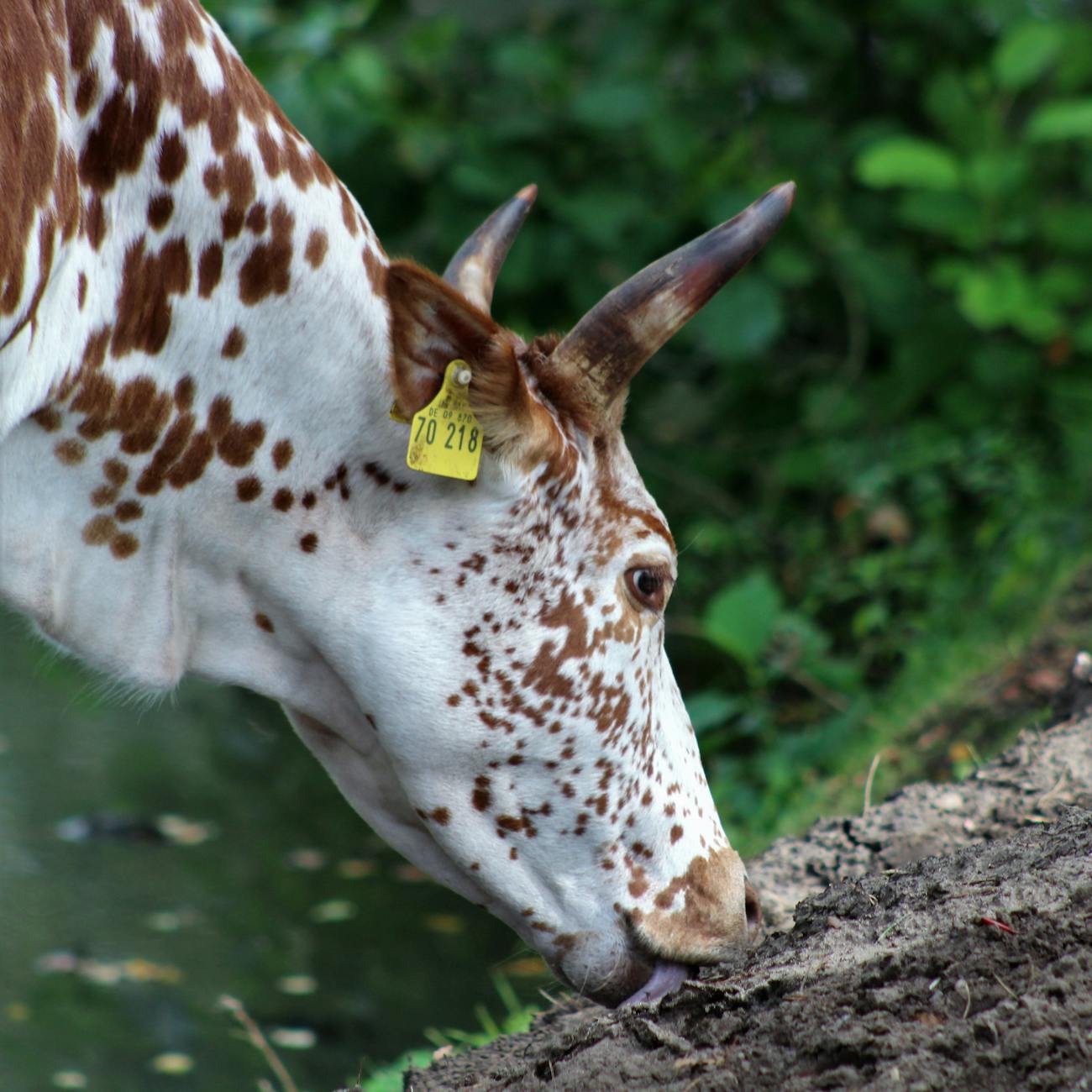
Genotype-Phenotype Associations play a crucial role in understanding the relationship between an organism's genetic makeup (genotype) and its observable traits (phenotype). This concept is fundamental in the field of livestock genomic breeding as it allows breeders to predict and select for desirable traits in animals based on their genetic information. In this course, we will delve into the various key terms and vocabulary related to Genotype-Phenotype Associations to provide a comprehensive understanding of this important topic.
1. **Genotype**: The genotype of an organism refers to its complete set of genes, which are inherited from its parents. It represents the genetic blueprint of an individual and determines its potential traits. Genotypes are typically represented by combinations of letters or symbols that denote the alleles present at specific genetic loci.
2. **Phenotype**: The phenotype of an organism refers to its observable traits, such as physical characteristics, behavior, and physiological functions. These traits are the result of the interaction between an organism's genotype and its environment. Phenotypes can vary widely within a population based on genetic variations and environmental influences.
3. **Allele**: An allele is a variant form of a gene that can lead to different phenotypic outcomes. Alleles can be dominant or recessive, and individuals can carry two alleles for a particular gene, one inherited from each parent. The combination of alleles at specific genetic loci determines an individual's genotype.
4. **Genetic Loci**: Genetic loci are specific positions on a chromosome where genes are located. Each genetic locus can have multiple alleles, and variations at these loci contribute to the genetic diversity within a population. Genotype-Phenotype Associations are often studied by analyzing the alleles present at different genetic loci and their relationship to observable traits.
5. **Quantitative Trait Loci (QTL)**: Quantitative Trait Loci are regions of the genome that are associated with quantitative traits, such as growth rate, milk production, or disease resistance. QTL analysis allows researchers to identify genetic markers linked to specific traits and estimate the genetic contribution to phenotypic variation. Understanding QTL is essential for genomic breeding programs aimed at improving livestock traits.
6. **Single Nucleotide Polymorphism (SNP)**: A Single Nucleotide Polymorphism is a common type of genetic variation that involves a single nucleotide change in the DNA sequence. SNPs are widely used as genetic markers in Genotype-Phenotype Associations studies due to their abundance in the genome and ease of detection. By analyzing SNPs, researchers can identify genetic variations associated with specific phenotypic traits.
7. **Genomic Selection**: Genomic Selection is a breeding strategy that uses genomic information to predict an individual's genetic merit for specific traits. By analyzing the entire genome of an individual, genomic selection can estimate its breeding value more accurately than traditional methods. This approach has revolutionized livestock breeding by enabling breeders to make informed decisions based on genomic data.
8. **Marker-Assisted Selection**: Marker-Assisted Selection is a breeding technique that uses genetic markers, such as SNPs or QTL, to select for specific traits in livestock. By identifying markers linked to desirable traits, breeders can accelerate the breeding process and improve the efficiency of trait selection. Marker-Assisted Selection is a valuable tool for improving important traits in livestock populations.
9. **Genome-Wide Association Study (GWAS)**: A Genome-Wide Association Study is a research approach that aims to identify genetic variants associated with specific phenotypic traits across the entire genome. By analyzing the genomes of a large number of individuals, researchers can pinpoint regions of the genome that are linked to particular traits. GWAS has been instrumental in uncovering the genetic basis of complex traits in livestock.
10. **Heritability**: Heritability is a measure of the proportion of phenotypic variation in a trait that is due to genetic factors. It indicates the extent to which genetic variation influences the expression of a trait in a population. Understanding the heritability of traits is essential for predicting the response to selection in breeding programs and determining the genetic basis of phenotypic variation.
11. **Genetic Correlation**: Genetic correlation measures the degree of association between the genetic values of two different traits. Positive genetic correlation indicates that genetic variants affecting one trait also influence another trait in the same direction. Negative genetic correlation suggests that genetic variants affecting one trait have an opposite effect on another trait. Genetic correlation plays a crucial role in multi-trait selection programs in livestock breeding.
12. **Genotype x Environment Interaction**: Genotype x Environment Interaction refers to the phenomenon where the effect of an individual's genotype on its phenotype is influenced by environmental factors. Different genotypes may respond differently to environmental conditions, leading to variations in trait expression. Understanding genotype x environment interaction is essential for designing breeding programs that account for environmental influences on trait performance.
13. **Genomic Prediction**: Genomic Prediction is a technique that uses genomic data to predict the breeding value of individuals for specific traits. By building predictive models based on genetic markers and phenotypic data, genomic prediction can estimate the genetic potential of animals for desired traits. This approach enables breeders to make more accurate selection decisions and accelerate genetic gain in livestock populations.
14. **Phenotypic Plasticity**: Phenotypic Plasticity refers to the ability of an organism to produce different phenotypes in response to environmental stimuli. It allows individuals to adapt to changing environmental conditions and optimize their trait expression. Phenotypic plasticity can complicate Genotype-Phenotype Associations studies by introducing variability in trait performance across different environments.
15. **Epistasis**: Epistasis is a genetic phenomenon where the effect of one gene on a trait is dependent on the presence of other genes. It involves interactions between different genetic loci that influence the expression of phenotypic traits. Understanding epistasis is essential for unraveling the complexity of Genotype-Phenotype Associations and identifying genetic interactions that shape trait variation in livestock populations.
16. **Genetic Diversity**: Genetic Diversity refers to the variety of genetic information present within a population. High genetic diversity is important for maintaining adaptive potential and resilience to environmental challenges. Genetic diversity plays a critical role in Genotype-Phenotype Associations by providing the raw material for selection and breeding programs aimed at improving livestock traits.
17. **Genetic Drift**: Genetic Drift is the random fluctuation of allele frequencies in a population due to chance events. It can lead to the loss of genetic variation over time and affect the genetic architecture of traits. Genetic drift is a key factor to consider in Genotype-Phenotype Associations studies, as it can influence the stability and predictability of trait expression in livestock populations.
18. **Genetic Mapping**: Genetic Mapping is the process of identifying the positions of genes and genetic markers on chromosomes. It allows researchers to create genetic maps that show the relative locations of genetic loci and the distances between them. Genetic mapping is essential for studying Genotype-Phenotype Associations and identifying regions of the genome associated with specific traits in livestock.
19. **Genome Editing**: Genome Editing is a technology that allows researchers to make precise changes to the DNA sequence of an organism. It has revolutionized genetic research by enabling targeted modifications of genes to investigate their function and impact on phenotypic traits. Genome editing holds great potential for improving livestock breeding by introducing beneficial genetic changes into populations.
20. **Genomic Architecture**: Genomic Architecture refers to the overall organization and structure of the genome, including the distribution of genes, genetic markers, and regulatory elements. It influences the inheritance patterns of traits and the complexity of Genotype-Phenotype Associations. Understanding the genomic architecture of livestock species is essential for developing effective breeding strategies and enhancing trait selection.
21. **Phenomic Data**: Phenomic Data refers to the comprehensive set of phenotypic information collected from individuals within a population. It includes data on physical traits, performance measures, and behavioral characteristics that reflect the overall phenotype of an organism. Phenomic data are essential for analyzing Genotype-Phenotype Associations and identifying genetic variants that influence trait expression in livestock.
22. **Genomic Variation**: Genomic Variation encompasses the different forms of genetic variation present within a genome, including SNPs, insertions, deletions, and structural rearrangements. It contributes to the diversity of genotypes and phenotypes observed in populations. Genomic variation is a key focus of Genotype-Phenotype Associations studies, as it provides insights into the genetic basis of trait variation and adaptation in livestock species.
23. **Selective Breeding**: Selective Breeding is a breeding strategy that involves choosing individuals with desirable traits as parents to produce offspring with improved genetic potential. It aims to enhance specific traits in livestock populations over successive generations. Selective breeding relies on Genotype-Phenotype Associations to identify and select for superior genotypes that exhibit favorable phenotypic traits.
24. **Breeding Value**: Breeding Value is a measure of an individual's genetic merit for specific traits that can be passed on to its offspring. It represents the additive genetic effects contributing to phenotypic variation in a population. Breeding value estimation is essential for selecting superior individuals in breeding programs and maximizing genetic gain for desired traits in livestock.
25. **Genomic Breeding Programs**: Genomic Breeding Programs integrate genomic information into traditional breeding practices to improve the efficiency and effectiveness of trait selection in livestock populations. By incorporating genomic data, breeders can identify and select for superior genotypes with greater precision and accuracy. Genomic breeding programs leverage Genotype-Phenotype Associations to enhance genetic progress and drive trait improvement in livestock species.
26. **Genomic Resources**: Genomic Resources encompass the databases, tools, and technologies that facilitate the analysis and interpretation of genomic data in livestock species. They include reference genomes, genetic maps, SNP arrays, and bioinformatics resources for studying Genotype-Phenotype Associations. Genomic resources play a critical role in advancing genomic breeding research and enabling breeders to make informed decisions based on genetic information.
27. **Genetic Improvement**: Genetic Improvement refers to the process of enhancing the genetic potential of livestock populations through selective breeding and genetic selection. It aims to increase the frequency of desirable alleles and improve the overall performance of animals for specific traits. Genetic improvement strategies rely on Genotype-Phenotype Associations to identify and utilize genetic variants associated with superior phenotypic traits.
28. **Genomic Data Analysis**: Genomic Data Analysis involves the statistical and computational analysis of genomic data to uncover patterns, associations, and relationships between genotypes and phenotypes. It includes methods for identifying genetic markers, estimating genetic parameters, and predicting breeding values for specific traits. Genomic data analysis is essential for interpreting Genotype-Phenotype Associations and guiding breeding decisions in livestock populations.
29. **Genomic Selection Index**: A Genomic Selection Index is a weighted combination of genomic breeding values for multiple traits that aims to maximize genetic gain in livestock breeding programs. It integrates genomic information on various traits to prioritize selection decisions and achieve overall breeding objectives. Genomic selection indexes leverage Genotype-Phenotype Associations to optimize trait selection and improve genetic progress in livestock populations.
30. **Genomic Breeding Tools**: Genomic Breeding Tools are software programs, algorithms, and platforms that facilitate the implementation of genomic breeding strategies in livestock species. They include tools for genomic data analysis, breeding value estimation, marker-assisted selection, and genomic prediction. Genomic breeding tools enable breeders to leverage Genotype-Phenotype Associations for enhancing trait selection and genetic improvement in livestock populations.
In conclusion, understanding Genotype-Phenotype Associations is essential for advancing genetic improvement and trait selection in livestock breeding. By unraveling the relationship between an animal's genetic makeup and its observable traits, breeders can make informed decisions to enhance performance, productivity, and resilience in livestock populations. The key terms and vocabulary discussed in this course provide a solid foundation for exploring the complexities of Genotype-Phenotype Associations and leveraging genomic information to drive genetic progress in livestock species.
Key takeaways
- This concept is fundamental in the field of livestock genomic breeding as it allows breeders to predict and select for desirable traits in animals based on their genetic information.
- Genotypes are typically represented by combinations of letters or symbols that denote the alleles present at specific genetic loci.
- **Phenotype**: The phenotype of an organism refers to its observable traits, such as physical characteristics, behavior, and physiological functions.
- Alleles can be dominant or recessive, and individuals can carry two alleles for a particular gene, one inherited from each parent.
- Genotype-Phenotype Associations are often studied by analyzing the alleles present at different genetic loci and their relationship to observable traits.
- **Quantitative Trait Loci (QTL)**: Quantitative Trait Loci are regions of the genome that are associated with quantitative traits, such as growth rate, milk production, or disease resistance.
- **Single Nucleotide Polymorphism (SNP)**: A Single Nucleotide Polymorphism is a common type of genetic variation that involves a single nucleotide change in the DNA sequence.