
Advanced Breeding Strategies
Advanced Breeding Strategies Advanced breeding strategies encompass a range of sophisticated techniques and methodologies used in livestock genomic breeding to enhance desirable traits in animals efficiently and effectively. These strategie…
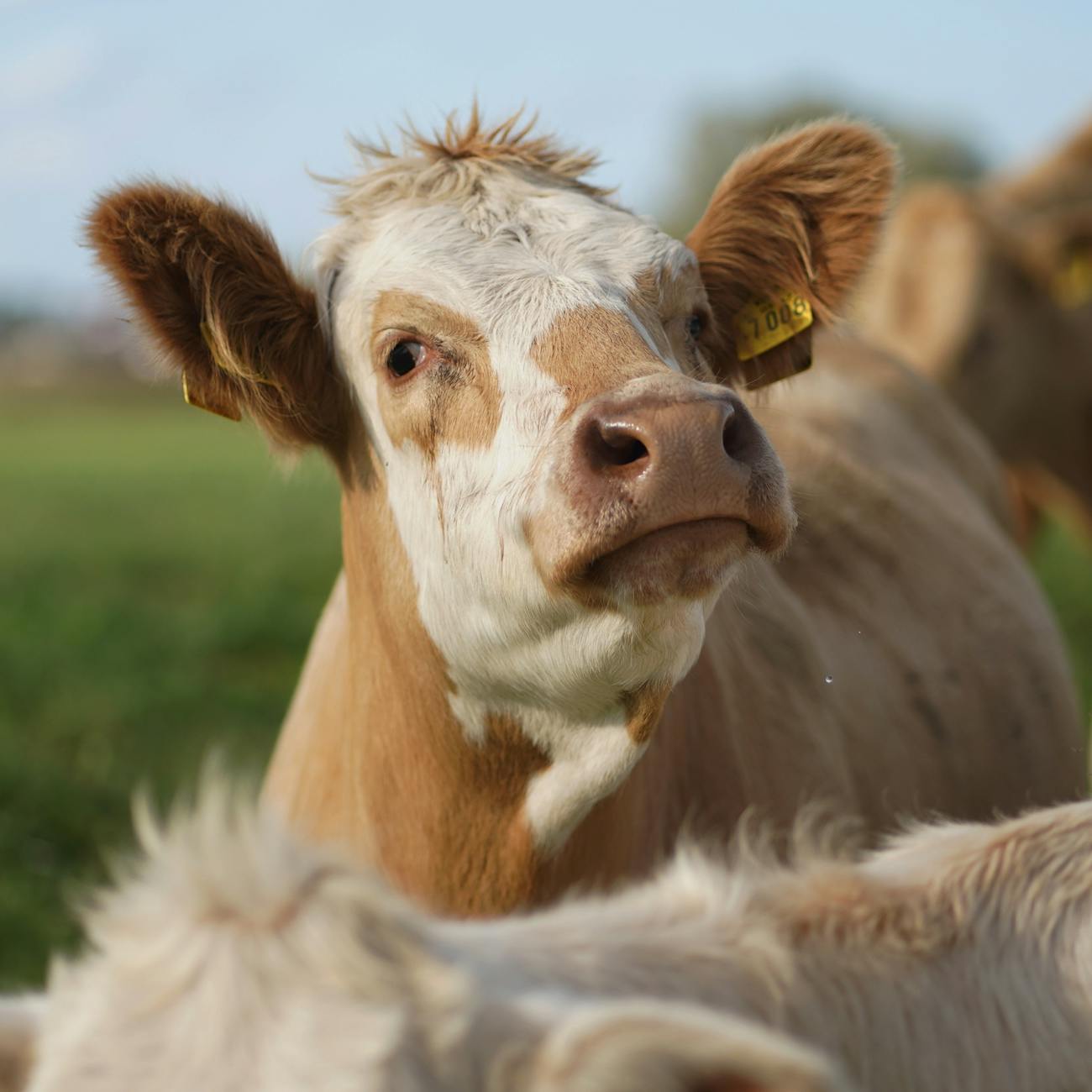
Advanced Breeding Strategies Advanced breeding strategies encompass a range of sophisticated techniques and methodologies used in livestock genomic breeding to enhance desirable traits in animals efficiently and effectively. These strategies leverage cutting-edge genomic technologies, statistical analyses, and genetic selection methods to accelerate genetic improvement in livestock populations.
Key Terms and Vocabulary
Genomic Selection: Genomic selection is a breeding strategy that utilizes genomic information to predict the genetic merit of animals for specific traits. By analyzing large-scale genomic data, including single nucleotide polymorphisms (SNPs), genomic selection enables breeders to identify animals with superior genetic potential accurately. This approach revolutionizes traditional breeding methods by enhancing the accuracy of genetic evaluations and accelerating genetic progress.
Marker-Assisted Selection (MAS): Marker-assisted selection involves the use of molecular markers linked to specific genes or traits of interest to assist in breeding decisions. By identifying and selecting animals with favorable marker profiles, breeders can improve the efficiency of trait selection and enhance genetic gains. MAS is particularly valuable in accelerating the introgression of desirable traits into breeding populations.
Genetic Gain: Genetic gain refers to the improvement in desirable traits within a population achieved through selective breeding over generations. By selecting animals with superior genetic merit for breeding, breeders can increase the frequency of favorable alleles in the population, leading to enhanced performance and productivity. Maximizing genetic gain is a primary goal of advanced breeding strategies to drive continuous improvement in livestock populations.
Genetic Diversity: Genetic diversity refers to the variability of genetic material within a population or species. Maintaining genetic diversity is crucial in livestock breeding to prevent inbreeding depression and preserve adaptive potential. Advanced breeding strategies aim to balance genetic diversity with genetic improvement to ensure sustainable genetic progress and resilience in livestock populations.
Genotype-Environment Interaction: Genotype-environment interaction refers to the phenomenon where the expression of genetic traits is influenced by environmental factors. In livestock breeding, understanding genotype-environment interactions is essential for optimizing breeding strategies and selecting animals that perform consistently across different environments. Advanced breeding approaches account for genotype-environment interactions to enhance the robustness and adaptability of livestock populations.
Genomic Prediction: Genomic prediction involves the estimation of genetic merit for complex traits based on genomic information. By leveraging genomic data and statistical models, breeders can predict the breeding value of animals accurately, even for traits with low heritability. Genomic prediction facilitates informed breeding decisions and accelerates genetic progress by enabling the selection of superior animals at an early age.
Selection Index: A selection index is a weighted combination of multiple traits used to rank animals based on their overall genetic merit. By incorporating information on various economically important traits, a selection index allows breeders to prioritize animals with the highest breeding values for overall performance improvement. Advanced breeding strategies often utilize selection indices to optimize genetic selection decisions and achieve balanced genetic progress.
Genome-Wide Association Study (GWAS): A genome-wide association study is a research approach that identifies genetic variants associated with specific traits or diseases by analyzing the entire genome. GWAS enables the discovery of genetic markers linked to complex traits and provides insights into the genetic architecture underlying phenotypic variation. By pinpointing regions of the genome influencing trait expression, GWAS informs breeding strategies for targeted genetic improvement.
Quantitative Trait Loci (QTL): Quantitative trait loci are specific genomic regions associated with variation in quantitative traits, such as growth rate, milk production, or disease resistance. Identifying QTL through genetic mapping allows breeders to understand the genetic basis of complex traits and facilitate marker-assisted selection. QTL information is instrumental in designing breeding programs focused on enhancing economically important traits in livestock populations.
Haplotype: A haplotype is a set of genetic variants or markers that are inherited together on the same chromosome. Haplotypes represent combinations of alleles at different loci and can be used to trace genetic relationships and identify genomic regions of interest. Understanding haplotype structure is valuable in genomic breeding for tracking genetic diversity, identifying favorable allelic combinations, and improving selection accuracy.
Genomic Inbreeding: Genomic inbreeding refers to the accumulation of homozygous regions in the genome of an individual due to relatedness between parents. High levels of genomic inbreeding can lead to reduced genetic diversity, increased expression of deleterious alleles, and decreased fitness in livestock populations. Managing genomic inbreeding is essential in advanced breeding strategies to maintain genetic health and prevent detrimental genetic consequences.
Genomic Diversity: Genomic diversity encompasses the range of genetic variation present in a population at the genomic level. Maintaining genomic diversity is critical for preserving adaptive potential, resilience to environmental challenges, and long-term genetic sustainability. Advanced breeding strategies focus on balancing genetic improvement with genomic diversity conservation to ensure the genetic robustness and viability of livestock populations.
Phenotype: Phenotype refers to the observable characteristics or traits of an organism resulting from the interaction between its genotype and the environment. Phenotypic traits include physical attributes, performance metrics, and behavioral characteristics that can be measured and evaluated. Phenotypic data is essential in breeding programs for assessing trait expression, genetic merit estimation, and selection of superior animals for breeding purposes.
Genotype: Genotype refers to the genetic makeup or combination of alleles carried by an individual organism. Genotypes determine the inherited traits and genetic potential of an organism, influencing its performance, productivity, and adaptability. Genomic breeding strategies focus on analyzing and manipulating genotypes to improve desirable traits, enhance genetic selection, and drive genetic progress in livestock populations.
Heritability: Heritability is the proportion of phenotypic variation in a trait that can be attributed to genetic factors. High heritability indicates that genetic influences play a significant role in trait expression, making the trait more predictable through selective breeding. Understanding heritability estimates is crucial in breeding programs for determining the potential for genetic improvement and optimizing breeding strategies for desired traits.
Founder Population: A founder population refers to the original set of individuals from which a breeding population is derived. Founder populations contribute genetic diversity and allelic variation to subsequent generations, shaping the genetic composition of the population. Maintaining genetic diversity within founder populations is essential for establishing sustainable breeding programs and avoiding genetic bottlenecks that can limit genetic progress.
Genomic Resources: Genomic resources include databases, tools, and technologies that provide genomic information for genetic analysis and breeding applications. Genomic resources encompass genomic databases, genotyping platforms, bioinformatics software, and genomic sequencing technologies that enable breeders to access and utilize genetic data effectively. Leveraging genomic resources is essential in advanced breeding strategies to enhance genetic selection, genomic prediction, and trait improvement.
Genomic Editing: Genomic editing involves precise modification of the genetic material within an organism's genome to introduce or alter specific genetic traits. Techniques such as CRISPR-Cas9 enable targeted editing of DNA sequences to enhance desirable traits, improve disease resistance, or introduce novel genetic variations. Genomic editing holds promise for accelerating genetic improvement in livestock populations by facilitating precise genetic modifications and trait enhancement.
Genomic Technologies: Genomic technologies encompass a range of tools and methodologies used to analyze, manipulate, and utilize genomic information for breeding purposes. These technologies include genotyping arrays, next-generation sequencing, bioinformatics software, and genomic analysis platforms that enable breeders to access and interpret genetic data efficiently. Genomic technologies play a crucial role in advancing breeding strategies by enhancing genetic selection, genomic prediction, and trait improvement in livestock populations.
Breeding Objectives: Breeding objectives are the goals and priorities established by breeders to guide selection decisions and genetic improvement in livestock populations. Breeding objectives define the desired traits, performance metrics, and genetic targets that breeders aim to achieve through selective breeding programs. Aligning breeding objectives with production goals, market demands, and environmental challenges is essential in designing effective breeding strategies for optimizing genetic progress and trait enhancement.
Selection Pressure: Selection pressure refers to the intensity and direction of selection applied to breeding populations to favor specific traits or genetic characteristics. High selection pressure promotes rapid genetic change and accelerates the spread of favorable alleles in a population. Managing selection pressure is critical in breeding programs to balance genetic improvement with genetic diversity conservation and avoid unintended consequences of intense selection on population viability.
Genetic Merit: Genetic merit represents the overall genetic value or breeding potential of an individual animal for specific traits of interest. Genetic merit is estimated based on genetic evaluations, breeding values, and genomic information to assess the genetic superiority of animals within a population. Maximizing genetic merit through advanced breeding strategies is essential for achieving continuous genetic progress, enhancing trait expression, and improving overall performance in livestock populations.
Population Structure: Population structure refers to the genetic composition and relatedness patterns within a breeding population. Understanding population structure is crucial for genetic analysis, breeding program design, and selection decisions to account for genetic diversity and relatedness among individuals. Population structure analysis helps breeders optimize breeding strategies, manage genetic relationships, and enhance genetic gains in livestock populations.
Genetic Improvement: Genetic improvement involves the enhancement of desirable traits and genetic characteristics within a population through selective breeding and genetic selection. By selecting animals with superior genetic merit and breeding values, breeders can increase the frequency of favorable alleles, improve trait expression, and drive genetic progress in livestock populations. Genetic improvement is a fundamental objective of advanced breeding strategies to enhance productivity, performance, and genetic resilience in breeding populations.
Genomic Breeding Programs: Genomic breeding programs integrate genomic technologies, genetic analysis, and breeding strategies to optimize genetic selection and trait improvement in livestock populations. These programs leverage genomic information, genomic prediction, and marker-assisted selection to accelerate genetic progress, enhance trait expression, and achieve breeding objectives efficiently. Genomic breeding programs play a key role in advancing livestock genomic breeding by integrating cutting-edge technologies and methodologies for genetic improvement.
Genomic Selection Index: A genomic selection index combines genomic information, breeding values, and multiple traits to rank animals based on their overall genetic merit for breeding purposes. By incorporating genomic data into selection indices, breeders can improve selection accuracy, enhance genetic progress, and optimize breeding decisions for multiple traits simultaneously. Genomic selection indices are instrumental in advanced breeding strategies for achieving balanced genetic improvement and trait enhancement in livestock populations.
Breeding Value: Breeding value represents the genetic contribution of an individual to its offspring for specific traits of interest. Breeding values are estimated based on genomic information, phenotypic data, and genetic evaluations to predict the genetic merit of animals accurately. High breeding values indicate superior genetic potential for desirable traits, making animals valuable for breeding purposes. Maximizing breeding values through selective breeding is essential for achieving genetic improvement and optimizing trait selection in livestock populations.
Reproductive Technologies: Reproductive technologies encompass a variety of techniques used to manipulate reproduction, genetic material, and breeding processes in livestock populations. These technologies include artificial insemination, embryo transfer, in vitro fertilization, and sexed semen technologies that enhance genetic selection, reproduction efficiency, and breeding outcomes. Incorporating reproductive technologies into breeding programs can accelerate genetic progress, improve breeding efficiency, and optimize genetic selection for desirable traits.
Genomic Breeding Tools: Genomic breeding tools are software applications, algorithms, and platforms designed to analyze, interpret, and utilize genomic data for breeding purposes. These tools include genomic selection software, genomic prediction algorithms, genomic analysis platforms, and breeding value estimators that enable breeders to optimize genetic selection, genomic prediction, and trait improvement in livestock populations. Leveraging genomic breeding tools is essential for implementing advanced breeding strategies and achieving genetic progress in breeding programs.
Genomic Data Analysis: Genomic data analysis involves the interpretation, processing, and utilization of genomic information for genetic analysis and breeding applications. Analyzing genomic data enables breeders to identify genetic variants, predict breeding values, and optimize genetic selection for desired traits. Advanced genomic data analysis techniques, such as genome-wide association studies and genomic prediction, provide valuable insights into the genetic architecture of traits and inform breeding strategies for trait improvement and genetic progress in livestock populations.
Genetic Selection Methods: Genetic selection methods are techniques and procedures used to identify, evaluate, and select animals with superior genetic merit for breeding purposes. These methods include pedigree analysis, genomic selection, marker-assisted selection, and selection indices that enable breeders to optimize genetic selection decisions and enhance genetic improvement in livestock populations. Implementing effective genetic selection methods is essential for achieving breeding objectives, maximizing genetic progress, and improving trait expression in breeding programs.
Genetic Evaluation: Genetic evaluation involves the estimation of genetic merit and breeding values for animals based on genomic information, phenotypic data, and pedigree records. Genetic evaluations enable breeders to assess the genetic potential of animals for specific traits, predict breeding values accurately, and optimize selection decisions for genetic improvement. Genetic evaluation plays a crucial role in advanced breeding strategies by providing valuable insights into genetic variability, trait heritability, and breeding value estimation for enhanced genetic progress.
Genomic Breeding Approaches: Genomic breeding approaches encompass a variety of strategies and methodologies used to leverage genomic information for genetic improvement in livestock populations. These approaches include genomic selection, marker-assisted selection, genomic prediction, and genomic editing techniques that enhance breeding outcomes, accelerate genetic progress, and optimize trait selection. Implementing genomic breeding approaches is essential for achieving breeding objectives, enhancing genetic resilience, and improving overall performance in breeding populations.
Genomic Resources: Genomic resources encompass databases, tools, and technologies that provide genomic information for genetic analysis and breeding applications. These resources include genomic databases, genotyping platforms, bioinformatics software, and genomic sequencing technologies that enable breeders to access and utilize genetic data effectively. Leveraging genomic resources is essential in advanced breeding strategies to enhance genetic selection, genomic prediction, and trait improvement.
Genetic Diversity: Genetic diversity refers to the variability of genetic material within a population or species. Maintaining genetic diversity is crucial in livestock breeding to prevent inbreeding depression and preserve adaptive potential. Advanced breeding strategies aim to balance genetic diversity with genetic improvement to ensure sustainable genetic progress and resilience in livestock populations.
Genomic Prediction: Genomic prediction involves the estimation of genetic merit for complex traits based on genomic information. By leveraging genomic data and statistical models, breeders can predict the breeding value of animals accurately, even for traits with low heritability. Genomic prediction facilitates informed breeding decisions and accelerates genetic progress by enabling the selection of superior animals at an early age.
Selection Index: A selection index is a weighted combination of multiple traits used to rank animals based on their overall genetic merit. By incorporating information on various economically important traits, a selection index allows breeders to prioritize animals with the highest breeding values for overall performance improvement. Advanced breeding strategies often utilize selection indices to optimize genetic selection decisions and achieve balanced genetic progress.
Genome-Wide Association Study (GWAS): A genome-wide association study is a research approach that identifies genetic variants associated with specific traits or diseases by analyzing the entire genome. GWAS enables the discovery of genetic markers linked to complex traits and provides insights into the genetic architecture underlying phenotypic variation. By pinpointing regions of the genome influencing trait expression, GWAS informs breeding strategies for targeted genetic improvement.
Quantitative Trait Loci (QTL): Quantitative trait loci are specific genomic regions associated with variation in quantitative traits, such as growth rate, milk production, or disease resistance. Identifying QTL through genetic mapping allows breeders to understand the genetic basis of complex traits and facilitate marker-assisted selection. QTL information is instrumental in designing breeding programs focused on enhancing economically important traits in livestock populations.
Haplotype: A haplotype is a set of genetic variants or markers that are inherited together on the same chromosome. Haplotypes represent combinations of alleles at different loci and can be used to trace genetic relationships and identify genomic regions of interest. Understanding haplotype structure is valuable in genomic breeding for tracking genetic diversity, identifying favorable allelic combinations, and improving selection accuracy.
Genomic Inbreeding: Genomic inbreeding refers to the accumulation of homozygous regions in the genome of an individual due to relatedness between parents. High levels of genomic inbreeding can lead to reduced genetic diversity, increased expression of deleterious alleles, and decreased fitness in livestock populations. Managing genomic inbreeding is essential in advanced breeding strategies to maintain genetic health and prevent detrimental genetic consequences.
Genomic Diversity: Genomic diversity encompasses the range of genetic variation present in a population at the genomic level. Maintaining genomic diversity is critical for preserving adaptive potential, resilience to environmental challenges, and long-term genetic sustainability. Advanced breeding strategies focus on balancing genetic improvement with genomic diversity conservation to ensure the genetic robustness and viability of livestock populations.
Phenotype: Phenotype refers to the observable characteristics or traits of an organism resulting from the interaction between its genotype and the environment. Phenotypic traits include physical attributes, performance metrics, and behavioral characteristics that can be measured and evaluated. Phenotypic data is essential in breeding programs for assessing trait expression, genetic merit estimation, and selection of superior animals for breeding purposes.
Genotype: Genotype refers to the genetic makeup or combination of alleles carried by an individual organism. Genotypes determine the inherited traits and genetic potential of an organism, influencing its performance, productivity, and adaptability. Genomic breeding strategies focus on analyzing and manipulating genotypes to improve desirable traits, enhance genetic selection, and drive genetic progress in livestock populations.
Heritability: Heritability is the proportion of phenotypic variation in a trait that can be attributed to genetic factors. High heritability indicates that genetic influences play a significant role in trait expression, making the trait more predictable through selective breeding. Understanding heritability estimates is crucial in breeding programs for determining the potential for genetic improvement and optimizing breeding strategies for desired traits.
Founder Population: A founder population refers to the original set of individuals from which a breeding population is derived. Founder populations contribute genetic diversity and allelic variation to subsequent generations, shaping the genetic composition of the population. Maintaining genetic diversity within founder populations is essential for establishing sustainable breeding programs and avoiding genetic bottlenecks that can limit genetic progress.
Genomic Resources: Genomic resources include databases, tools, and technologies that provide genomic information for genetic analysis and breeding applications. Genomic resources encompass genomic databases, genotyping platforms, bioinformatics software, and genomic sequencing technologies that enable breeders to access and utilize genetic data effectively. Leveraging genomic resources is essential in advanced breeding strategies to enhance genetic selection, genomic prediction, and trait improvement.
Genomic Editing: Genomic editing involves precise modification of the genetic material within an organism's genome to introduce or alter specific genetic traits. Techniques such as CRISPR-Cas9 enable targeted editing of DNA sequences to enhance desirable traits, improve disease resistance, or introduce novel genetic variations. Genomic editing holds promise for accelerating genetic improvement in livestock populations by facilitating precise genetic modifications and trait enhancement.
Genomic Technologies: Genomic technologies encompass a range of tools and methodologies used to analyze, manipulate
Key takeaways
- Advanced Breeding Strategies Advanced breeding strategies encompass a range of sophisticated techniques and methodologies used in livestock genomic breeding to enhance desirable traits in animals efficiently and effectively.
- By analyzing large-scale genomic data, including single nucleotide polymorphisms (SNPs), genomic selection enables breeders to identify animals with superior genetic potential accurately.
- Marker-Assisted Selection (MAS): Marker-assisted selection involves the use of molecular markers linked to specific genes or traits of interest to assist in breeding decisions.
- By selecting animals with superior genetic merit for breeding, breeders can increase the frequency of favorable alleles in the population, leading to enhanced performance and productivity.
- Advanced breeding strategies aim to balance genetic diversity with genetic improvement to ensure sustainable genetic progress and resilience in livestock populations.
- In livestock breeding, understanding genotype-environment interactions is essential for optimizing breeding strategies and selecting animals that perform consistently across different environments.
- Genomic prediction facilitates informed breeding decisions and accelerates genetic progress by enabling the selection of superior animals at an early age.