
Ethical Issues in Genomic Breeding
Genomic Breeding Genomic breeding refers to the use of genomic information to improve the genetic potential of livestock through selective breeding programs. This approach leverages genomic data to make more informed breeding decisions, lea…
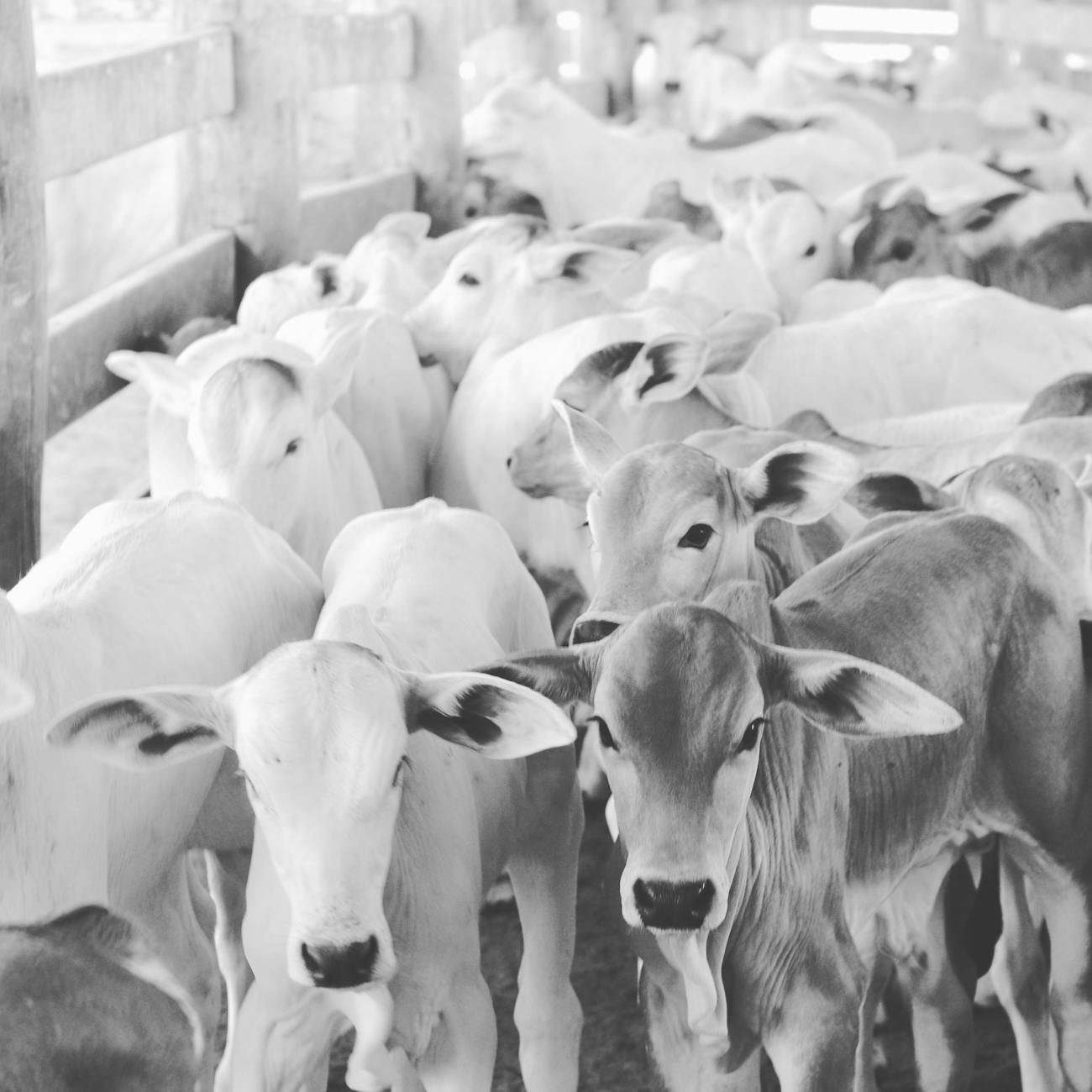
Genomic Breeding Genomic breeding refers to the use of genomic information to improve the genetic potential of livestock through selective breeding programs. This approach leverages genomic data to make more informed breeding decisions, leading to enhanced traits and overall animal performance. Genomic breeding has revolutionized the livestock industry by allowing breeders to accelerate genetic progress and achieve desired outcomes more efficiently.
Ethical Issues Ethical issues in genomic breeding pertain to the moral considerations and dilemmas arising from the use of genomic technologies in animal breeding. These issues encompass a wide range of concerns, including animal welfare, genetic diversity, privacy, and the potential societal impacts of genetic manipulation in livestock production. Addressing ethical issues in genomic breeding is crucial to ensure responsible and sustainable practices in the industry.
Animal Welfare Animal welfare is a key ethical consideration in genomic breeding, as the use of genetic technologies can impact the health and well-being of livestock. Breeders must prioritize the welfare of animals throughout the breeding process, taking into account their physical and mental needs. Ethical breeding practices should aim to improve animal welfare standards and promote the humane treatment of livestock.
Genetic Diversity Maintaining genetic diversity is essential in genomic breeding to prevent inbreeding and preserve the overall health and resilience of livestock populations. Genetic diversity ensures that animals have a wide range of traits and adaptations, reducing the risk of genetic disorders and enhancing the long-term sustainability of breeding programs. Ethical breeders prioritize genetic diversity to safeguard the genetic integrity of livestock breeds.
Privacy Privacy concerns arise in genomic breeding due to the collection and storage of sensitive genetic information about animals. Breeders must handle genomic data responsibly to protect the privacy and confidentiality of genetic profiles. Ethical considerations include obtaining informed consent for genetic testing, securing data storage, and ensuring that genetic information is used only for legitimate breeding purposes.
Societal Impacts The societal impacts of genomic breeding involve broader ethical implications for consumers, farmers, and the environment. Genetic manipulation in livestock production can raise concerns about food safety, environmental sustainability, and social equity. Ethical breeders must consider the potential consequences of their breeding practices on society as a whole, striving to promote transparency, accountability, and responsible innovation.
Selective Breeding Selective breeding is a fundamental practice in genomic breeding that involves choosing animals with desirable traits for reproduction. By selecting individuals with superior genomic profiles, breeders can improve specific traits such as growth rate, milk production, or disease resistance in subsequent generations. Selective breeding plays a crucial role in shaping the genetic makeup of livestock populations and driving genetic progress over time.
Genetic Markers Genetic markers are specific sequences of DNA used to identify and track genetic variations in animals. These markers serve as genetic signposts that can be linked to particular traits of interest, allowing breeders to make informed breeding decisions based on genomic information. Genetic markers play a vital role in genomic breeding by enabling the selection of animals with favorable genetic characteristics for breeding programs.
Genomic Selection Genomic selection is a breeding strategy that uses genomic information to predict the genetic merit of animals for specific traits. By analyzing the entire genome of an individual, breeders can estimate its breeding value and potential performance without the need for traditional phenotypic measurements. Genomic selection has revolutionized breeding programs by accelerating genetic progress and improving the accuracy of trait selection.
Marker-Assisted Selection Marker-assisted selection is a breeding technique that uses genetic markers to assist in the selection of animals with desired traits. Breeders identify specific markers associated with target traits and use them to screen and select animals for breeding purposes. Marker-assisted selection enhances the efficiency and precision of breeding programs by enabling the direct selection of animals based on their genetic potential.
Genetic Engineering Genetic engineering involves the deliberate modification of an organism's genetic material to introduce new traits or characteristics. In livestock breeding, genetic engineering techniques such as gene editing can be used to introduce beneficial genetic changes or remove undesirable traits. Ethical considerations in genetic engineering include concerns about the unintended consequences of genetic manipulation and the potential impact on animal welfare and biodiversity.
Gene Editing Gene editing is a precise genetic engineering technique that allows for targeted modifications to an organism's DNA. By using tools such as CRISPR-Cas9, breeders can make specific changes to the genetic code of animals, including introducing beneficial mutations or correcting genetic defects. Gene editing has the potential to revolutionize livestock breeding by enabling precise modifications to enhance desired traits while minimizing unintended effects on animal health and welfare.
Cloning Cloning is a reproductive technology that produces genetically identical copies of an individual organism. In livestock breeding, cloning can be used to replicate animals with desirable traits or characteristics. Ethical considerations in cloning revolve around issues of animal welfare, genetic diversity, and the potential impact on the overall health and resilience of livestock populations. Cloning raises questions about the naturalness of breeding practices and the ethical implications of creating genetically identical animals.
Transgenic Animals Transgenic animals are organisms that have had foreign genes inserted into their genome through genetic engineering. In livestock breeding, transgenic animals can be created to express specific traits or produce valuable products such as pharmaceuticals in their milk. Ethical considerations in transgenic breeding include concerns about animal welfare, environmental impact, and the potential risks associated with introducing foreign genes into livestock populations.
Designer Animals Designer animals are genetically engineered organisms created with specific traits or characteristics in mind. In livestock breeding, designer animals can be produced to exhibit traits such as disease resistance, improved productivity, or enhanced nutritional quality. Ethical considerations in designer animal breeding center around questions of animal welfare, genetic integrity, and the societal implications of creating animals with tailored genetic modifications.
Bioethical Principles Bioethical principles provide a framework for addressing ethical issues in genomic breeding and guiding responsible decision-making in the industry. Key bioethical principles include respect for animal welfare, justice in the distribution of benefits and risks, beneficence in promoting positive outcomes, and autonomy in respecting the rights and choices of individuals involved in breeding programs. By upholding bioethical principles, breeders can ensure ethical conduct and sustainable practices in genomic breeding.
Animal Rights Animal rights refer to the moral and legal entitlements that animals have to be treated with respect and consideration. In the context of genomic breeding, animal rights advocates argue for the protection of animals' interests, well-being, and autonomy in breeding practices. Ethical considerations related to animal rights include concerns about exploitation, suffering, and the ethical treatment of animals in the pursuit of genetic improvement.
Informed Consent Informed consent is a fundamental ethical principle that requires individuals to voluntarily and knowingly agree to participate in a particular activity or decision. In the context of genomic breeding, informed consent is essential when collecting genetic samples, conducting genetic testing, or using genomic data for breeding purposes. Breeders must ensure that individuals providing genetic material or data are fully informed about the purpose, risks, and potential outcomes of their participation.
Benefit-Sharing Benefit-sharing is an ethical principle that emphasizes the fair distribution of benefits and risks among stakeholders involved in genomic breeding. Breeders, farmers, consumers, and society at large should share in the benefits of genetic improvement while also bearing the responsibilities and risks associated with breeding programs. Ethical breeding practices should promote equitable benefit-sharing to ensure that all parties involved in genomic breeding receive fair treatment and recognition for their contributions.
Risk Assessment Risk assessment is a critical component of ethical decision-making in genomic breeding, involving the identification, evaluation, and management of potential risks associated with breeding practices. Breeders must assess the ethical, social, environmental, and economic risks of genetic manipulation in livestock production to minimize negative outcomes and maximize positive impacts. Ethical risk assessment aims to ensure that breeding programs are conducted responsibly and with due consideration for all stakeholders.
Stakeholder Engagement Stakeholder engagement is essential in addressing ethical issues in genomic breeding, as it involves involving all relevant parties in the decision-making process and seeking their input and feedback. Breeders should engage with farmers, consumers, regulators, researchers, and advocacy groups to ensure that breeding practices align with ethical standards and societal values. Ethical stakeholder engagement fosters transparency, accountability, and collaboration in genomic breeding programs.
Regulatory Oversight Regulatory oversight plays a crucial role in ensuring ethical conduct and compliance with legal requirements in genomic breeding. Government agencies, industry associations, and international bodies establish regulations and guidelines to govern the use of genomic technologies in animal breeding. Ethical breeders must adhere to regulatory standards, obtain necessary permits, and undergo ethical review processes to ensure that breeding practices meet ethical, legal, and social expectations.
Environmental Impact The environmental impact of genomic breeding refers to the effects of genetic manipulation on ecosystems, biodiversity, and natural resources. Breeders must consider the potential environmental consequences of introducing genetically modified organisms into the environment and the long-term sustainability of breeding practices. Ethical breeding practices should minimize environmental harm, promote biodiversity conservation, and support ecological resilience in livestock production systems.
Consumer Perception Consumer perception plays a significant role in shaping ethical considerations in genomic breeding, as public attitudes and preferences influence the acceptance and adoption of genetic technologies in livestock production. Breeders must consider consumer concerns about food safety, animal welfare, genetic modification, and sustainability when developing breeding programs. Ethical breeding practices should be transparent, responsive to consumer feedback, and aligned with societal values to build trust and credibility with consumers.
Ethical Dilemmas Ethical dilemmas in genomic breeding involve complex situations where conflicting moral principles or values come into play, requiring breeders to make difficult decisions with significant ethical implications. Examples of ethical dilemmas in genomic breeding include balancing genetic improvement with animal welfare, navigating privacy concerns in genetic testing, and addressing societal controversies surrounding genetic modification in livestock production. Resolving ethical dilemmas requires careful consideration of ethical principles, stakeholder perspectives, and the potential impacts of breeding decisions.
Social Justice Social justice in genomic breeding refers to the fair and equitable distribution of benefits, risks, and opportunities among different social groups and communities. Ethical breeders should strive to promote social justice by ensuring that breeding programs benefit marginalized populations, promote inclusive participation, and address social inequalities in livestock production. Social justice considerations in genomic breeding aim to create a more just and sustainable food system that respects the rights and dignity of all individuals involved in breeding programs.
Intergenerational Equity Intergenerational equity is an ethical principle that emphasizes the need to consider the interests and well-being of future generations in decision-making processes. In the context of genomic breeding, breeders must take into account the long-term consequences of genetic manipulation on livestock populations, ecosystems, and society as a whole. Ethical breeding practices should prioritize intergenerational equity by promoting sustainable breeding strategies, preserving genetic diversity, and safeguarding the genetic resources needed for future generations to thrive.
Ethical Leadership Ethical leadership in genomic breeding involves demonstrating moral integrity, transparency, and accountability in guiding breeding programs and making ethical decisions. Breeders should uphold ethical values, promote ethical conduct among stakeholders, and lead by example in addressing ethical issues in genomic breeding. Ethical leadership fosters trust, credibility, and ethical excellence in breeding practices, contributing to the responsible and sustainable development of the livestock industry.
Ethical Framework An ethical framework provides a systematic approach to addressing ethical issues in genomic breeding by outlining ethical principles, values, and guidelines for ethical decision-making. Breeders can use an ethical framework to analyze ethical dilemmas, evaluate breeding practices, and develop strategies for promoting responsible conduct in genomic breeding programs. Ethical frameworks help breeders navigate complex ethical challenges, clarify ethical responsibilities, and promote ethical awareness in the livestock industry.
Ethical Guidelines Ethical guidelines are principles and standards that govern ethical conduct and behavior in genomic breeding. Industry associations, professional organizations, and regulatory bodies develop ethical guidelines to promote ethical standards, ensure compliance with legal requirements, and guide responsible decision-making in breeding practices. Ethical guidelines provide breeders with a framework for addressing ethical issues, resolving conflicts, and upholding ethical values in genomic breeding programs.
Ethical Review Ethical review involves the assessment of breeding practices, research protocols, and breeding programs to ensure compliance with ethical standards and regulatory requirements. Breeders may undergo ethical review processes to evaluate the ethical implications of genetic manipulation, assess the potential risks and benefits of breeding programs, and address ethical concerns raised by stakeholders. Ethical review helps breeders identify and mitigate ethical challenges, promote ethical conduct, and enhance the integrity of genomic breeding practices.
Ethical Responsibility Ethical responsibility in genomic breeding refers to the obligation of breeders to uphold ethical values, respect ethical principles, and act in the best interests of animals, society, and the environment. Breeders have a moral duty to conduct breeding practices responsibly, consider the ethical implications of their decisions, and promote ethical awareness in the industry. Ethical responsibility entails recognizing the ethical consequences of breeding actions, taking proactive steps to address ethical issues, and promoting ethical excellence in genomic breeding programs.
Ethical Considerations Ethical considerations in genomic breeding encompass a wide range of moral, social, and environmental factors that shape breeding practices and decision-making processes. Breeders must take into account ethical considerations related to animal welfare, genetic diversity, privacy, societal impacts, and stakeholder engagement when developing breeding programs. Ethical considerations guide breeders in making ethical decisions, navigating ethical challenges, and promoting responsible and sustainable breeding practices in the livestock industry.
Key takeaways
- Genomic Breeding Genomic breeding refers to the use of genomic information to improve the genetic potential of livestock through selective breeding programs.
- These issues encompass a wide range of concerns, including animal welfare, genetic diversity, privacy, and the potential societal impacts of genetic manipulation in livestock production.
- Animal Welfare Animal welfare is a key ethical consideration in genomic breeding, as the use of genetic technologies can impact the health and well-being of livestock.
- Genetic diversity ensures that animals have a wide range of traits and adaptations, reducing the risk of genetic disorders and enhancing the long-term sustainability of breeding programs.
- Ethical considerations include obtaining informed consent for genetic testing, securing data storage, and ensuring that genetic information is used only for legitimate breeding purposes.
- Ethical breeders must consider the potential consequences of their breeding practices on society as a whole, striving to promote transparency, accountability, and responsible innovation.
- By selecting individuals with superior genomic profiles, breeders can improve specific traits such as growth rate, milk production, or disease resistance in subsequent generations.