
Genomic Breeding in Practice
Genomic breeding is a revolutionary approach in livestock breeding that utilizes genomic information to improve the efficiency and effectiveness of selection programs. This advanced technique allows breeders to make more informed decisions …
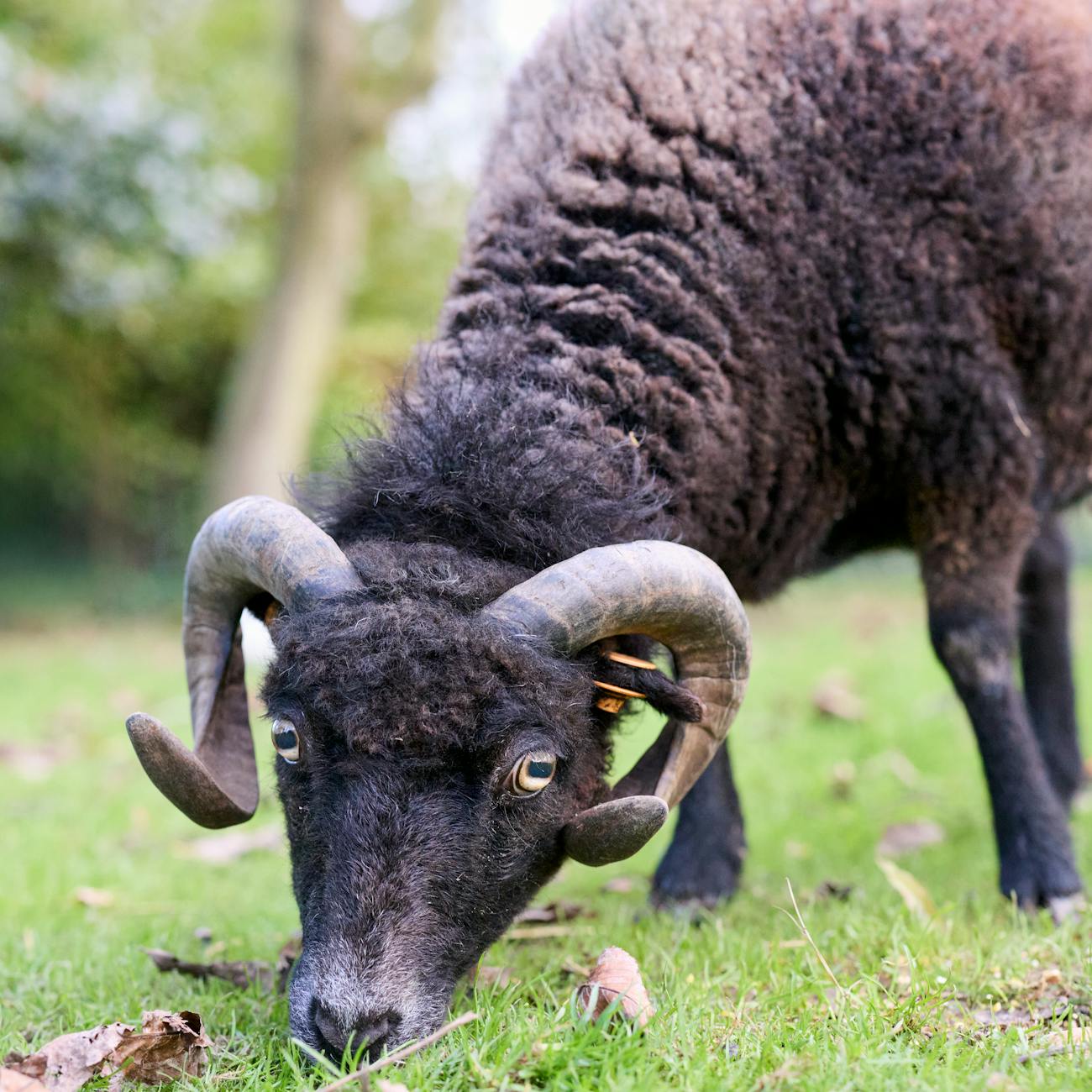
Genomic breeding is a revolutionary approach in livestock breeding that utilizes genomic information to improve the efficiency and effectiveness of selection programs. This advanced technique allows breeders to make more informed decisions by analyzing the genetic makeup of animals at the DNA level. By using genomic data, breeders can identify desirable traits, predict genetic potential, and accelerate genetic progress in livestock populations.
Key Terms and Vocabulary:
1. **Genomic Selection**: Genomic selection is a breeding strategy that uses genomic information to predict the genetic merit of individuals. By analyzing thousands of genetic markers across the genome, breeders can estimate the breeding value of animals more accurately than traditional methods.
2. **Single Nucleotide Polymorphism (SNP)**: SNPs are variations in a single nucleotide that occur at specific positions in the genome. These genetic markers are commonly used in genomic breeding to identify regions associated with traits of interest.
3. **Genotype**: The genotype refers to the genetic makeup of an individual, including the specific alleles present at each genetic locus. Genotypes can be determined through DNA testing, which provides valuable information for genomic selection.
4. **Phenotype**: The phenotype is the observable characteristics or traits of an individual, such as growth rate, milk production, or disease resistance. Phenotypic data is essential for validating genomic predictions and assessing the performance of animals.
5. **Marker-Assisted Selection (MAS)**: MAS is a breeding approach that uses molecular markers to assist in the selection of animals with desired traits. While genomic selection is more advanced, MAS can still be valuable in some breeding programs.
6. **Genetic Diversity**: Genetic diversity refers to the variety of alleles present in a population. Maintaining genetic diversity is crucial for preventing inbreeding and preserving the adaptability of livestock to changing environments.
7. **Linkage Disequilibrium**: Linkage disequilibrium is the non-random association of alleles at different genetic loci. Understanding linkage disequilibrium is important for interpreting genomic data and designing breeding programs.
8. **Haplotype**: A haplotype is a combination of alleles on a single chromosome that are inherited together. Haplotypes can be used to track genetic variation and identify regions of the genome that influence traits.
9. **Genomic Prediction**: Genomic prediction is the process of estimating the genetic merit of individuals based on their genomic information. By combining genotype data with phenotypic data from related animals, breeders can make more accurate predictions of breeding values.
10. **Genome-Wide Association Study (GWAS)**: GWAS is a research method used to identify genetic variants associated with specific traits or diseases. By analyzing the entire genome, researchers can pinpoint regions that influence complex traits in livestock.
11. **Quantitative Trait Loci (QTL)**: QTL are regions of the genome that contain genes affecting quantitative traits, such as growth, milk yield, or meat quality. Identifying QTL is essential for genomic breeding programs aiming to improve these traits.
12. **Marker Density**: Marker density refers to the number of genetic markers used in genomic analysis. Higher marker density can improve the accuracy of genomic predictions but also increases the cost of genotyping.
13. **Genomic Selection Index**: A genomic selection index is a weighted combination of genomic breeding values for multiple traits. By using a selection index, breeders can simultaneously improve multiple traits in livestock populations.
14. **Genomic Inbreeding**: Genomic inbreeding is the level of inbreeding estimated from genomic data. Monitoring genomic inbreeding is critical for maintaining genetic diversity and reducing the risk of negative genetic effects in breeding programs.
15. **Genomic Breeding Value (GBV)**: The genomic breeding value is the predicted genetic merit of an individual based on its genomic information. GBVs are used to rank animals for selection and breeding purposes.
Practical Applications:
Genomic breeding has numerous practical applications in livestock breeding, including:
1. **Selective Breeding**: Genomic information allows breeders to select animals with the highest genetic potential for desired traits, such as milk production, meat quality, or disease resistance. This targeted approach accelerates genetic progress and improves the overall performance of livestock populations.
2. **Breeding Program Design**: Genomic data can inform breeding program design by identifying key genetic markers associated with important traits. By integrating genomic information into breeding strategies, breeders can optimize selection decisions and achieve breeding goals more efficiently.
3. **Genetic Improvement**: Genomic breeding enables rapid genetic improvement in livestock populations by accurately predicting the breeding value of individuals. By selecting animals with superior genetics, breeders can achieve significant gains in traits of economic importance within a few generations.
4. **Disease Resistance**: Genomic information can be used to select for disease-resistant animals in breeding programs. By identifying genetic markers linked to disease resistance, breeders can reduce the prevalence of diseases and enhance the overall health and welfare of livestock.
Challenges:
Despite its many benefits, genomic breeding also poses several challenges, including:
1. **Cost**: Genomic testing can be expensive, especially when using high-density marker panels or sequencing technologies. The cost of genotyping animals for genomic selection may limit the adoption of this technology in some breeding programs.
2. **Data Interpretation**: Interpreting genomic data and translating it into actionable breeding decisions can be challenging for breeders without a strong background in genetics and statistics. Training and education are essential to ensure the successful implementation of genomic breeding programs.
3. **Genetic Diversity**: Intensive selection based on genomic information can reduce genetic diversity within livestock populations, leading to increased risks of inbreeding and reduced adaptability. Balancing genetic improvement with genetic diversity is crucial for the long-term sustainability of breeding programs.
4. **Ethical Considerations**: Genomic breeding raises ethical considerations related to the use of genetic information in animal breeding. Breeders must consider the welfare of animals, the impact on biodiversity, and the potential unintended consequences of genetic selection.
In conclusion, genomic breeding is a powerful tool that has transformed the field of livestock breeding by leveraging genomic information to accelerate genetic progress and improve the performance of livestock populations. By understanding key terms and concepts related to genomic breeding, breeders can effectively apply this advanced technology in their breeding programs and achieve sustainable genetic gains in livestock production.
Key takeaways
- Genomic breeding is a revolutionary approach in livestock breeding that utilizes genomic information to improve the efficiency and effectiveness of selection programs.
- By analyzing thousands of genetic markers across the genome, breeders can estimate the breeding value of animals more accurately than traditional methods.
- **Single Nucleotide Polymorphism (SNP)**: SNPs are variations in a single nucleotide that occur at specific positions in the genome.
- **Genotype**: The genotype refers to the genetic makeup of an individual, including the specific alleles present at each genetic locus.
- **Phenotype**: The phenotype is the observable characteristics or traits of an individual, such as growth rate, milk production, or disease resistance.
- **Marker-Assisted Selection (MAS)**: MAS is a breeding approach that uses molecular markers to assist in the selection of animals with desired traits.
- Maintaining genetic diversity is crucial for preventing inbreeding and preserving the adaptability of livestock to changing environments.