
Trends in Urban Food Styling
Urban Food Styling: Urban food styling refers to the art and technique of preparing and presenting food in urban settings, such as restaurants, cafes, food trucks, and markets. It involves the creative arrangement of food items to make them…
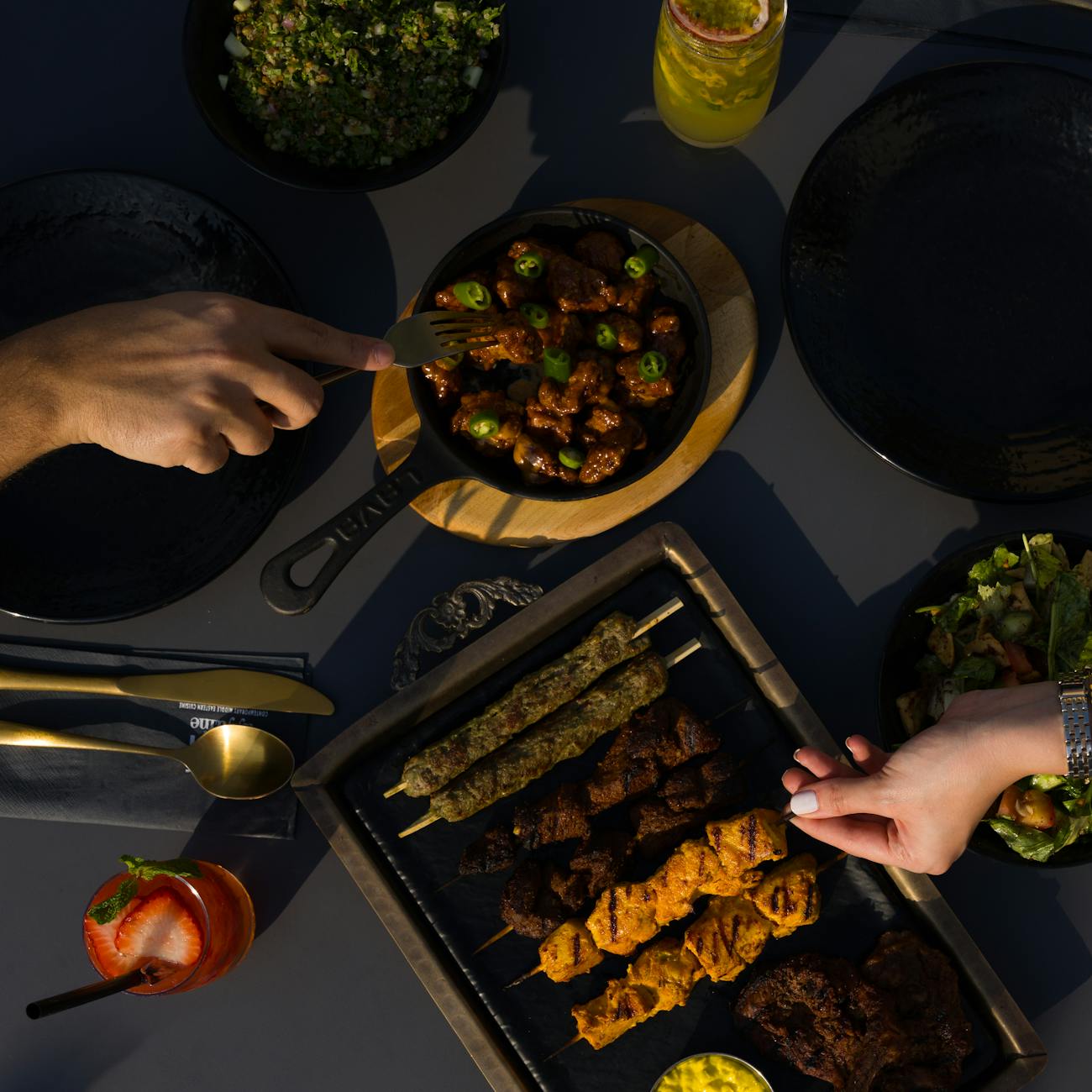
Urban Food Styling: Urban food styling refers to the art and technique of preparing and presenting food in urban settings, such as restaurants, cafes, food trucks, and markets. It involves the creative arrangement of food items to make them visually appealing, enticing, and Instagram-worthy. Urban food styling has gained popularity in recent years due to the rise of social media platforms like Instagram, where users share photos of their meals.
Trends: Trends in urban food styling are constantly evolving, influenced by various factors such as cultural shifts, social media, technological advancements, and consumer preferences. Keeping up with the latest trends is essential for food stylists to stay relevant and attract customers. Some key trends in urban food styling include:
1. Minimalism: Minimalistic food styling focuses on simplicity, using fewer ingredients and props to create a clean and elegant presentation. This trend emphasizes the natural beauty of food without overwhelming the viewer.
2. Plant-Based: With the growing popularity of plant-based diets, there is a rising trend in urban food styling to showcase more vegetarian and vegan dishes. Stylists use colorful fruits, vegetables, and grains to create visually stunning and nutritious meals.
3. Local and Sustainable: Consumers are increasingly concerned about the environmental impact of their food choices. Urban food stylists are incorporating more locally sourced and sustainably produced ingredients in their presentations to appeal to eco-conscious customers.
4. Global Flavors: As people become more adventurous with their culinary preferences, urban food styling is incorporating a variety of global flavors and ingredients. Stylists use exotic spices, herbs, and condiments to create unique and culturally diverse dishes.
5. Interactive Dining: To enhance the dining experience, some urban food stylists are incorporating interactive elements into their presentations. This could include DIY food stations, tableside cooking, or edible garnishes that customers can add themselves.
6. Artisanal Products: The trend towards artisanal and handmade products has influenced urban food styling, with stylists showcasing locally made cheeses, bread, charcuterie, and other gourmet items. This trend emphasizes quality, craftsmanship, and authenticity.
7. Instagrammable: In the age of social media, urban food stylists are creating dishes that are not only delicious but also visually appealing for Instagram and other social platforms. Vibrant colors, unique plating techniques, and eye-catching garnishes are used to attract likes and shares.
Key Terms: Understanding key terms in urban food styling is essential for aspiring food stylists to communicate effectively and navigate the industry. Some important terms to be familiar with include:
1. Garnish: A decorative or edible addition to a dish that enhances its appearance. Garnishes can be fresh herbs, edible flowers, citrus zest, or other decorative elements.
2. Plating: The arrangement of food on a plate or dish to create an attractive presentation. Plating techniques include stacking, layering, drizzling, and using negative space to highlight the main ingredients.
3. Composition: The overall layout and balance of a dish, including the placement of ingredients, colors, textures, and shapes. A well-composed dish is visually appealing and harmonious.
4. Texture: The tactile quality of food, including crunchiness, creaminess, chewiness, and crispiness. Urban food stylists often play with textures to create contrast and interest in their dishes.
5. Color Theory: The use of color to evoke emotions and create visual impact in food styling. Understanding color theory helps stylists choose complementary or contrasting colors to enhance the appearance of dishes.
6. Food Styling Props: Objects used to enhance the presentation of food, such as plates, utensils, napkins, fabrics, and background surfaces. Props can add context, texture, and visual interest to a food photograph.
7. Lighting: The use of natural or artificial light to highlight and enhance the appearance of food. Proper lighting is crucial in food styling to create shadows, highlights, and depth in photographs.
8. Food Photography: The art of capturing food in a visually appealing way through photography. Food photographers work closely with food stylists to create stunning images for cookbooks, magazines, websites, and social media.
Vocabulary: Expanding your vocabulary in urban food styling can help you communicate effectively with clients, colleagues, and photographers. Here are some key vocabulary words to know:
1. Culinary: Relating to cooking or the kitchen, culinary refers to anything related to food preparation, cooking techniques, and culinary arts.
2. Aesthetic: Concerned with beauty or the appreciation of beauty, aesthetic is used to describe the visual appeal and artistic quality of food presentations.
3. Culinary Arts: The practice of preparing and cooking food, culinary arts encompass a wide range of skills, techniques, and traditions in the culinary world.
4. Palette: A range of colors or flavors used in a dish, palette refers to the overall color scheme or flavor profile of a food presentation.
5. Sensory: Relating to the senses, sensory is used to describe how food appeals to sight, smell, taste, touch, and hearing in a culinary experience.
6. Palette Knife: A long, thin knife with a flexible blade used by food stylists to spread, smooth, and shape ingredients on a plate or dish.
7. Culinary Trends: Emerging patterns or shifts in the culinary world, culinary trends influence food styling, menu development, and consumer preferences.
8. Plating Techniques: The various methods and styles used by food stylists to arrange and present food on a plate, including stacking, fanning, quenelle, and smearing.
Practical Applications: Incorporating trends and key terms in urban food styling into your work can elevate your skills and make your dishes stand out. Here are some practical applications for applying these concepts:
1. Experiment with Minimalism: Try creating simple, minimalist dishes with a focus on a few high-quality ingredients. Use negative space, clean lines, and subtle garnishes to enhance the visual appeal of your dishes.
2. Showcase Local and Sustainable Ingredients: Highlight locally sourced and sustainable ingredients in your food presentations to appeal to eco-conscious consumers. Use organic produce, artisanal cheeses, and ethically sourced proteins to create dishes with a story.
3. Play with Global Flavors: Incorporate exotic spices, herbs, and condiments from different cuisines to add depth and complexity to your dishes. Experiment with fusion recipes that combine diverse flavors for a unique culinary experience.
4. Create Interactive Dining Experiences: Engage your diners by incorporating interactive elements into your presentations, such as DIY toppings, tableside cooking, or build-your-own dishes. Encourage guests to customize their meals for a memorable dining experience.
5. Focus on Instagrammable Dishes: Design dishes that are visually striking and photogenic for social media sharing. Use vibrant colors, unique plating techniques, and eye-catching garnishes to create Instagram-worthy photos that will attract likes and followers.
6. Collaborate with Food Photographers: Work closely with food photographers to capture the beauty and essence of your food presentations. Communicate your vision, styling preferences, and desired angles to ensure the best visual representation of your dishes.
Challenges: While urban food styling offers endless creative possibilities, there are also challenges to overcome in this competitive industry. Some common challenges faced by food stylists include:
1. Time Constraints: Working in a fast-paced environment like a restaurant or food truck can make it challenging to dedicate time to elaborate food styling techniques. Finding efficient ways to style dishes without compromising quality is essential.
2. Client Expectations: Meeting the expectations of clients, whether they are chefs, restaurant owners, or food photographers, can be a challenge. Understanding their vision, preferences, and feedback is crucial for delivering successful food presentations.
3. Ingredient Availability: Sourcing unique or seasonal ingredients for food styling can be difficult, especially in urban settings. Adapting recipes and presentations based on ingredient availability requires creativity and flexibility.
4. Photography Skills: While food styling focuses on the visual presentation of dishes, collaborating with skilled food photographers is essential to capture the beauty and essence of your creations. Developing photography skills or working with professional photographers can enhance your work.
5. Competition: The urban food styling industry is competitive, with many talented stylists vying for clients and opportunities. Finding your unique style, niche, or specialty can help you stand out in a crowded field.
6. Adapting to Trends: Keeping up with the latest trends in urban food styling can be challenging, as consumer preferences and industry standards are constantly evolving. Staying informed, attending workshops, and networking with other stylists can help you stay ahead of the curve.
In conclusion, mastering key terms, vocabulary, trends, and practical applications in urban food styling is essential for aspiring food stylists to succeed in this dynamic and creative industry. By embracing new trends, experimenting with different styles, and overcoming challenges, food stylists can create visually stunning and memorable dishes that delight customers and enhance the dining experience.
Key takeaways
- Urban Food Styling: Urban food styling refers to the art and technique of preparing and presenting food in urban settings, such as restaurants, cafes, food trucks, and markets.
- Trends: Trends in urban food styling are constantly evolving, influenced by various factors such as cultural shifts, social media, technological advancements, and consumer preferences.
- Minimalism: Minimalistic food styling focuses on simplicity, using fewer ingredients and props to create a clean and elegant presentation.
- Plant-Based: With the growing popularity of plant-based diets, there is a rising trend in urban food styling to showcase more vegetarian and vegan dishes.
- Urban food stylists are incorporating more locally sourced and sustainably produced ingredients in their presentations to appeal to eco-conscious customers.
- Global Flavors: As people become more adventurous with their culinary preferences, urban food styling is incorporating a variety of global flavors and ingredients.
- Interactive Dining: To enhance the dining experience, some urban food stylists are incorporating interactive elements into their presentations.