
Sustainability in Food Styling
Sustainability in Food Styling
Sustainability in Food Styling
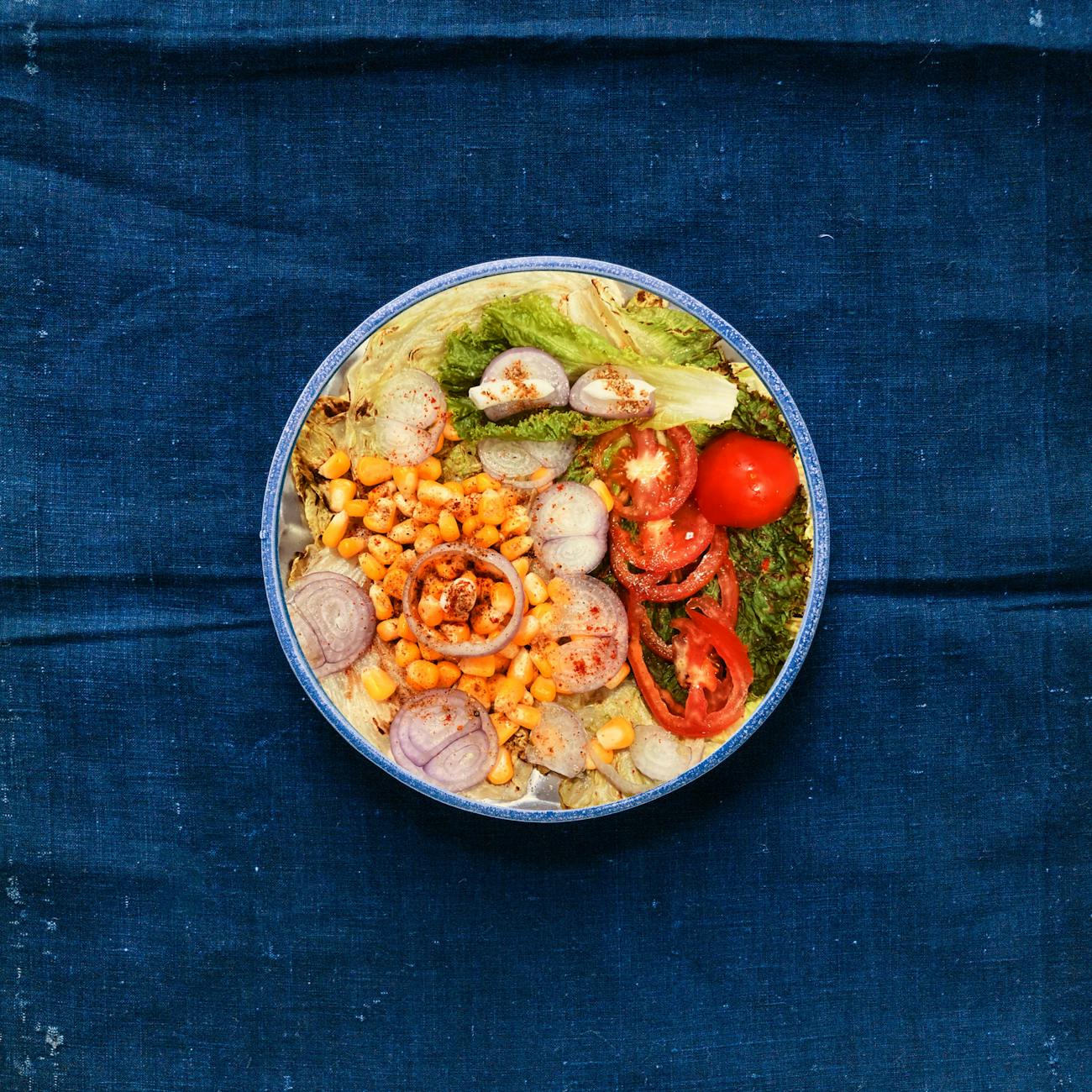
Food styling is an essential aspect of culinary arts that focuses on the visual presentation of food. In recent years, there has been a growing emphasis on sustainability in food styling to reduce the environmental impact of food production and consumption. Sustainability in food styling involves incorporating practices that promote environmental, social, and economic well-being. This ensures that the resources used in food production are managed efficiently and ethically to minimize waste and environmental harm while supporting local communities and economies.
Key Terms and Vocabulary
1. Sustainability
Sustainability refers to the ability to meet the needs of the present without compromising the ability of future generations to meet their own needs. In the context of food styling, sustainability involves practices that minimize environmental impact, conserve resources, and support social and economic well-being.
2. Food Styling
Food styling is the art of arranging and presenting food in an aesthetically pleasing manner. It involves using various techniques to enhance the appearance of food for photography, advertising, or culinary purposes.
3. Locally Sourced
Locally sourced refers to food that is produced or grown within a specific geographic region. Locally sourced ingredients are often fresher, support local farmers and producers, and reduce the carbon footprint associated with transportation.
4. Seasonal
Seasonal food refers to ingredients that are harvested or available during a specific time of year. Using seasonal ingredients in food styling not only enhances the flavor and quality of dishes but also supports sustainable agriculture practices.
5. Organic
Organic food is produced without the use of synthetic pesticides, fertilizers, or genetically modified organisms (GMOs). Choosing organic ingredients in food styling promotes environmental sustainability and reduces exposure to harmful chemicals.
6. Farm-to-Table
Farm-to-table refers to a culinary movement that emphasizes serving food made with locally sourced, seasonal ingredients. This approach promotes sustainability by supporting local farmers and reducing the environmental impact of food production and transportation.
7. Food Waste
Food waste refers to any food that is discarded or not consumed. Minimizing food waste is a key component of sustainability in food styling, as it helps conserve resources, reduce greenhouse gas emissions, and support food security.
8. Composting
Composting is the process of decomposing organic waste into nutrient-rich soil. In food styling, composting food scraps and waste helps reduce landfill waste and provides a sustainable way to dispose of organic materials.
9. Food Miles
Food miles refer to the distance food travels from production to consumption. Choosing locally sourced ingredients in food styling reduces food miles, which helps lower carbon emissions associated with transportation.
10. Eco-Friendly Packaging
Eco-friendly packaging refers to sustainable packaging materials that are biodegradable, recyclable, or compostable. Using eco-friendly packaging in food styling helps reduce waste and environmental impact.
11. Food Ethics
Food ethics involves considering the moral implications of food production, distribution, and consumption. Ethical food practices in food styling include supporting fair labor practices, animal welfare, and sustainable farming methods.
12. Biodiversity
Biodiversity refers to the variety of plant and animal species in a particular ecosystem. Promoting biodiversity in food styling involves using a diverse range of ingredients to support sustainable agriculture and preserve natural ecosystems.
13. Carbon Footprint
A carbon footprint is the total amount of greenhouse gases emitted directly or indirectly by an individual, organization, or product. Minimizing carbon footprints in food styling involves reducing energy consumption, transportation emissions, and waste production.
14. Food Security
Food security refers to the availability, access, and utilization of safe and nutritious food for all individuals. Sustainable food styling practices help support food security by promoting efficient resource management and reducing food waste.
15. Regenerative Agriculture
Regenerative agriculture is a holistic approach to farming that focuses on restoring soil health, biodiversity, and ecosystem resilience. Using ingredients from regenerative agriculture in food styling supports sustainable farming practices and environmental conservation.
16. Food Justice
Food justice advocates for fair and equitable access to healthy, culturally appropriate, and sustainably produced food. Incorporating food justice principles in food styling helps address social inequalities and promote ethical food systems.
17. Circular Economy
A circular economy is an economic system that aims to eliminate waste and promote the continuous use of resources. Adopting circular economy principles in food styling involves reducing, reusing, and recycling materials to minimize environmental impact.
18. Slow Food Movement
The slow food movement is a global grassroots organization that promotes local, sustainable, and traditional food practices. Embracing the principles of the slow food movement in food styling supports cultural diversity, environmental sustainability, and food quality.
Practical Applications
1. Using Locally Sourced Ingredients: When styling food, choose ingredients that are locally sourced to support local farmers, reduce food miles, and promote environmental sustainability. For example, use seasonal fruits and vegetables from nearby farms to create vibrant and fresh dishes.
2. Minimizing Food Waste: Plan food styling projects carefully to reduce food waste by using leftover ingredients in creative ways or preserving excess food for future use. For instance, turn vegetable scraps into homemade vegetable broth or freeze unused herbs for later use.
3. Opting for Eco-Friendly Packaging: Select sustainable packaging materials such as compostable containers, reusable jars, or biodegradable wraps to minimize waste in food styling. Consider using natural materials like bamboo or recycled paper for props and presentation.
4. Supporting Fair Trade Practices: Choose ethically sourced ingredients that support fair labor practices and promote social responsibility in food styling. Look for certifications such as Fair Trade or Rainforest Alliance to ensure that ingredients are produced sustainably.
5. Collaborating with Local Producers: Establish partnerships with local farmers, artisans, and producers to showcase their products in food styling projects. Highlighting the stories behind locally sourced ingredients adds authenticity and promotes community engagement.
Challenges
1. Cost Constraints: Sustainable ingredients and eco-friendly packaging materials may come at a higher cost, posing a challenge for food stylists working within budget constraints. Finding cost-effective alternatives or collaborating with local suppliers can help overcome this challenge.
2. Limited Availability: Locally sourced and organic ingredients may not always be readily available, especially in certain regions or seasons. Planning ahead, exploring farmer's markets, and building relationships with local producers can help address this challenge.
3. Food Safety Regulations: Ensuring food safety and compliance with regulations is crucial when using sustainable practices in food styling. Stay informed about food safety guidelines, proper handling procedures, and ingredient sourcing to maintain quality and integrity.
4. Consumer Awareness: Educating consumers about the importance of sustainability in food styling and the benefits of choosing ethically sourced ingredients can be a challenge. Engage with your audience through social media, workshops, or educational content to raise awareness and promote sustainable practices.
5. Adapting to Trends: Keeping up with evolving food trends while maintaining a focus on sustainability can be challenging for food stylists. Stay informed about industry developments, experiment with new techniques, and incorporate sustainable practices creatively to stay relevant and innovative.
Conclusion
In conclusion, sustainability in food styling is a multifaceted concept that encompasses environmental, social, and economic considerations. By incorporating practices such as using locally sourced ingredients, minimizing food waste, and supporting ethical food production, food stylists can contribute to a more sustainable food system. Overcoming challenges such as cost constraints, limited availability, and consumer awareness requires creativity, collaboration, and a commitment to promoting sustainable practices in food styling. By embracing sustainability in their work, food stylists can not only create visually stunning dishes but also contribute to a healthier planet and community.
Key takeaways
- This ensures that the resources used in food production are managed efficiently and ethically to minimize waste and environmental harm while supporting local communities and economies.
- In the context of food styling, sustainability involves practices that minimize environmental impact, conserve resources, and support social and economic well-being.
- It involves using various techniques to enhance the appearance of food for photography, advertising, or culinary purposes.
- Locally sourced ingredients are often fresher, support local farmers and producers, and reduce the carbon footprint associated with transportation.
- Using seasonal ingredients in food styling not only enhances the flavor and quality of dishes but also supports sustainable agriculture practices.
- Choosing organic ingredients in food styling promotes environmental sustainability and reduces exposure to harmful chemicals.
- This approach promotes sustainability by supporting local farmers and reducing the environmental impact of food production and transportation.