
Branding and Marketing in Food Styling
Branding and Marketing in Food Styling
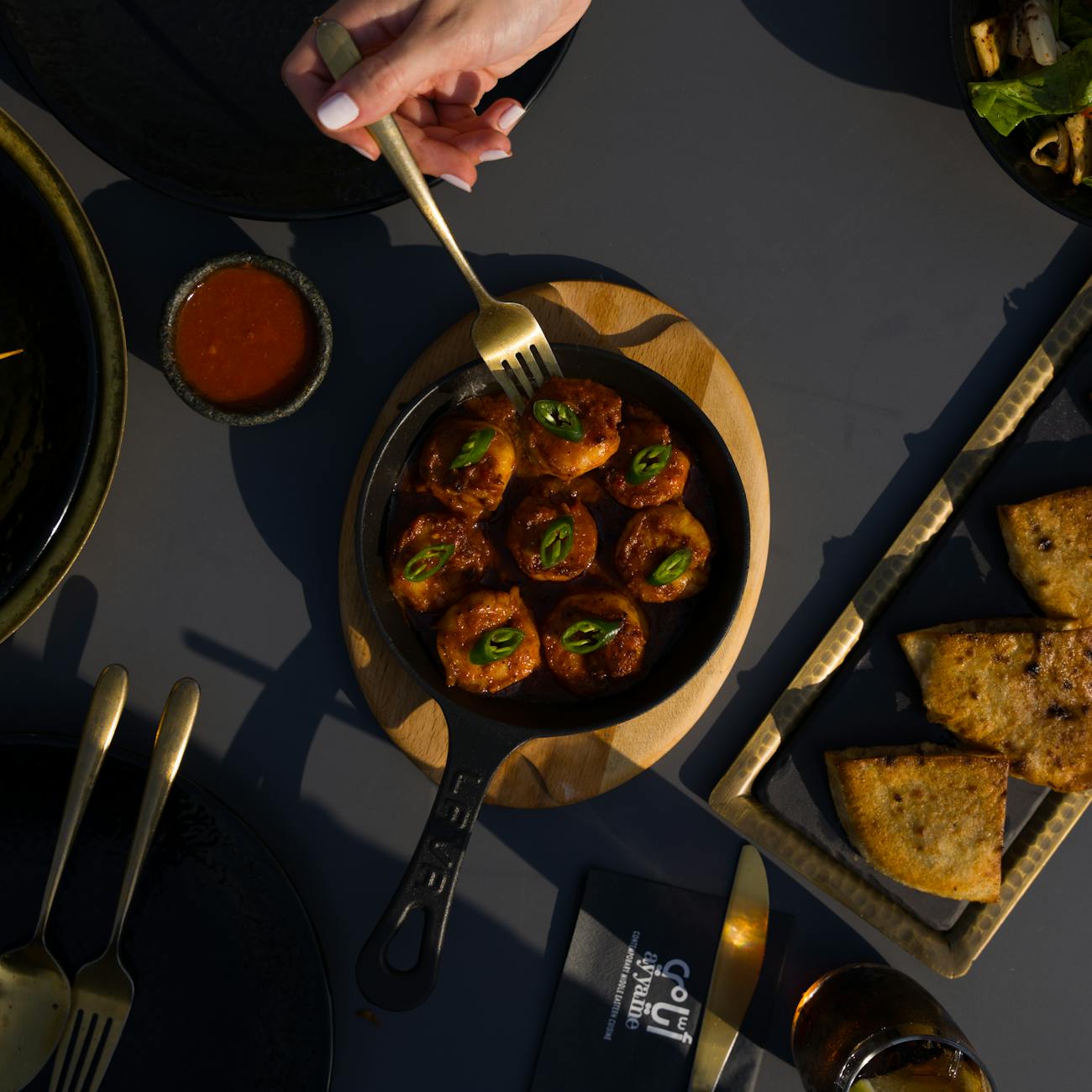
Branding and Marketing in Food Styling
Key Terms and Vocabulary
Food styling is not just about making food look good; it is also about creating a brand identity and marketing strategy that resonates with consumers. In the Advanced Skill Certificate in Urban Food Styling course, understanding key terms and vocabulary related to branding and marketing in food styling is crucial for success in the industry. Let's delve into some of the essential terms you need to know:
1. Branding: Branding is the process of creating a unique name, design, and image for a product or service in the consumer's mind. It is about establishing a distinct identity that sets a product apart from its competitors. In food styling, branding plays a vital role in creating a cohesive and recognizable visual identity for a food product or service.
2. Brand Identity: Brand identity refers to the visual elements that represent a brand, such as logos, colors, typography, and imagery. It is the personality of the brand that consumers can relate to and connect with. In food styling, brand identity is essential for creating a consistent look and feel across all marketing materials and products.
3. Marketing Strategy: A marketing strategy is a plan of action designed to promote and sell a product or service. It involves identifying target markets, understanding consumer behavior, and developing tactics to reach and engage with consumers effectively. In food styling, a well-thought-out marketing strategy can help showcase the brand's unique selling points and attract the target audience.
4. Target Audience: The target audience refers to the specific group of people that a brand aims to reach with its products or services. Understanding the demographics, psychographics, and behaviors of the target audience is crucial for creating relevant and compelling food styling and marketing campaigns.
5. Visual Merchandising: Visual merchandising is the practice of presenting products in a way that appeals to customers visually. It involves using design principles, lighting, colors, and layout to create an attractive and engaging display. In food styling, visual merchandising plays a significant role in showcasing products in a visually appealing manner to drive sales.
6. Photography: Photography is the art and practice of capturing images using a camera. In food styling, photography is a crucial element in showcasing food products in a visually appealing way. High-quality food photography can help attract consumers and communicate the brand's message effectively.
7. Social Media Marketing: Social media marketing is the use of social media platforms to promote products or services. It involves creating and sharing content on social media channels to engage with consumers and drive brand awareness. In food styling, social media marketing can be a powerful tool for reaching a broader audience and building a loyal following.
8. Content Marketing: Content marketing is a strategic marketing approach focused on creating and distributing valuable, relevant, and consistent content to attract and retain a target audience. In food styling, content marketing can involve creating blog posts, videos, recipes, and other content that showcases the brand's expertise and engages with consumers.
9. Food Trends: Food trends refer to the popular food preferences, flavors, ingredients, and cooking techniques that are in vogue at a particular time. Staying updated on food trends is essential for food stylists to create relevant and appealing culinary creations that resonate with consumers.
10. Storytelling: Storytelling is the art of using narrative techniques to communicate a message or evoke emotions. In food styling, storytelling plays a crucial role in creating a connection with consumers and conveying the brand's values, heritage, and unique selling points through food visuals.
11. Call to Action: A call to action is a prompt that encourages the audience to take a specific action, such as making a purchase, signing up for a newsletter, or following a social media account. In food styling, incorporating a compelling call to action in marketing materials can help drive conversions and engage with consumers effectively.
12. Brand Consistency: Brand consistency refers to maintaining a uniform look and feel across all brand touchpoints, including packaging, marketing materials, social media, and in-store displays. Consistency in branding helps build brand recognition and trust among consumers.
13. Customer Engagement: Customer engagement refers to the interactions and relationships that a brand establishes with its customers. Engaging with customers through social media, email marketing, events, and other channels is essential for building brand loyalty and driving repeat business.
14. Competitive Analysis: Competitive analysis involves evaluating the strengths and weaknesses of competitors in the market to identify opportunities and threats. Understanding the competitive landscape in food styling can help brands differentiate themselves and position themselves effectively in the market.
15. Market Research: Market research is the process of gathering, analyzing, and interpreting information about a market, including consumer preferences, trends, and competition. Conducting thorough market research is essential for developing effective branding and marketing strategies in food styling.
16. Visual Storytelling: Visual storytelling is the practice of using images, videos, and other visual elements to convey a narrative or message. In food styling, visual storytelling can help create an emotional connection with consumers and communicate the brand's story effectively.
17. Consumer Behavior: Consumer behavior refers to the actions and decisions that consumers make when purchasing products or services. Understanding consumer behavior, such as motivations, preferences, and buying patterns, is crucial for developing targeted marketing campaigns and creating products that resonate with consumers.
18. Product Placement: Product placement is the strategic placement of products in visual media, such as movies, TV shows, or social media content, to increase brand visibility and reach a wider audience. In food styling, product placement can help showcase food products in a natural and engaging way to attract consumers.
19. Influencer Marketing: Influencer marketing is a form of marketing that involves collaborating with influencers, bloggers, or social media personalities to promote products or services. In food styling, influencer marketing can help reach a larger audience and build credibility and trust with consumers through authentic recommendations.
20. Visual Branding: Visual branding refers to the visual elements that represent a brand, such as logos, colors, typography, and imagery. Visual branding is essential for creating a cohesive and memorable brand identity that resonates with consumers and differentiates a brand from its competitors.
21. Emotional Branding: Emotional branding is the practice of creating an emotional connection with consumers through storytelling, imagery, and brand experiences. In food styling, emotional branding can help create a strong bond with consumers and evoke positive emotions that drive brand loyalty and advocacy.
22. Brand Positioning: Brand positioning refers to how a brand is perceived in the minds of consumers relative to its competitors. It involves identifying a unique selling proposition and communicating it effectively to target consumers. In food styling, brand positioning is crucial for standing out in a crowded market and attracting the right audience.
23. Packaging Design: Packaging design is the creation of packaging that protects and presents a product while also communicating the brand's identity and values. In food styling, packaging design plays a crucial role in attracting consumers, communicating product benefits, and differentiating a brand on the shelf.
24. Brand Equity: Brand equity is the value that a brand adds to a product or service beyond its functional benefits. It is the perception of a brand's worth and reputation in the eyes of consumers. Building brand equity in food styling involves creating a strong brand identity, delivering consistent quality, and building trust with consumers.
25. Brand Awareness: Brand awareness refers to how familiar consumers are with a brand and its products or services. It is the extent to which consumers recognize and recall a brand in different contexts. Building brand awareness in food styling involves creating memorable visual branding, engaging with consumers through marketing channels, and delivering a consistent brand experience.
26. Marketing Campaign: A marketing campaign is a series of coordinated activities designed to achieve specific marketing goals, such as increasing brand awareness, driving sales, or launching a new product. In food styling, creating a successful marketing campaign involves developing a clear strategy, setting measurable objectives, and executing tactics that resonate with the target audience.
27. Brand Story: A brand story is the narrative that conveys the brand's values, mission, and unique selling points. It is the story behind the brand that helps consumers connect with its purpose and personality. In food styling, creating a compelling brand story can help differentiate a brand, build emotional connections with consumers, and drive brand loyalty.
28. Visual Communication: Visual communication is the practice of conveying information and ideas through visual elements, such as images, graphics, and videos. In food styling, visual communication plays a crucial role in creating engaging and compelling visuals that communicate the brand's message effectively to consumers.
29. Brand Personality: Brand personality refers to the human characteristics and traits that a brand embodies. It is the distinctive voice, tone, and values that define a brand and resonate with consumers. In food styling, brand personality can help create a consistent and relatable brand identity that connects with the target audience on an emotional level.
30. Customer Experience: Customer experience refers to the overall experience that a customer has with a brand, from initial contact to post-purchase interactions. Providing a positive and memorable customer experience in food styling involves delivering high-quality products, exceptional service, and engaging interactions that build loyalty and advocacy.
31. Brand Messaging: Brand messaging is the communication strategy that conveys the brand's key messages, values, and benefits to consumers. It is the language and tone that a brand uses to connect with its target audience and differentiate itself from competitors. In food styling, effective brand messaging can help communicate the brand's story, values, and unique selling points to consumers.
32. Brand Extension: Brand extension is the practice of using an existing brand name to launch new products or services in related or unrelated categories. It involves leveraging the brand's equity and reputation to enter new markets and attract new customers. In food styling, brand extension can help expand the brand's reach and capitalize on its existing customer base.
33. Public Relations: Public relations is the practice of managing the communication and relationships between a brand and its stakeholders, such as the media, customers, and the public. In food styling, public relations can help build brand credibility, generate positive publicity, and manage the brand's reputation effectively.
34. Brand Loyalty: Brand loyalty refers to the strong preference and repeat purchase behavior that consumers exhibit towards a particular brand. It is the result of positive brand experiences, trust, and emotional connections that a brand builds with its customers over time. In food styling, fostering brand loyalty involves delivering consistent quality, engaging with customers, and providing exceptional service that exceeds expectations.
35. Brand Ambassador: A brand ambassador is an individual who represents and promotes a brand through endorsements, appearances, and social media posts. Brand ambassadors help increase brand visibility, credibility, and reach by sharing their positive experiences with the brand. In food styling, working with brand ambassadors can help reach a wider audience, build trust with consumers, and drive brand advocacy.
36. Brand Differentiation: Brand differentiation is the process of distinguishing a brand from its competitors by highlighting unique selling points, values, and benefits. It involves communicating what sets a brand apart and why consumers should choose it over other options. In food styling, brand differentiation can help create a competitive advantage, attract the target audience, and build brand loyalty.
37. Brand Identity Guidelines: Brand identity guidelines are a set of rules and standards that define how a brand's visual elements should be used consistently across all marketing materials and touchpoints. Brand identity guidelines help ensure brand consistency, clarity, and recognition among consumers. In food styling, following brand identity guidelines can help maintain a cohesive and professional brand image that resonates with the target audience.
38. Brand Reputation: Brand reputation refers to the overall perception and credibility that consumers have of a brand. It is the result of a brand's actions, communications, and interactions with customers and stakeholders over time. Building and maintaining a positive brand reputation in food styling involves delivering on brand promises, addressing customer feedback, and being transparent and ethical in business practices.
39. Brand Strategy: Brand strategy is a long-term plan that outlines how a brand will achieve its goals, differentiate itself from competitors, and connect with its target audience. It involves defining the brand's positioning, values, and messaging to create a coherent and compelling brand experience. In food styling, a well-defined brand strategy can help guide marketing efforts, drive brand growth, and build strong relationships with consumers.
40. Brand Recall: Brand recall refers to the ability of consumers to remember and recognize a brand when prompted with a specific cue, such as a logo, tagline, or product. It is a measure of brand awareness and the strength of brand associations in consumers' minds. Building brand recall in food styling involves creating memorable and distinctive brand elements that resonate with consumers and differentiate the brand from competitors.
41. Brand Equity Management: Brand equity management is the practice of strategically building, measuring, and protecting the value and reputation of a brand over time. It involves monitoring brand performance, customer perceptions, and market trends to ensure that the brand remains relevant and competitive. In food styling, effective brand equity management can help strengthen brand loyalty, drive sales, and sustain long-term success in the industry.
42. Brand Experience: Brand experience refers to the sum of all interactions and touchpoints that a consumer has with a brand. It is the overall impression that a brand creates through its products, services, communications, and customer interactions. Providing a positive and memorable brand experience in food styling involves delivering consistent quality, engaging with customers, and exceeding expectations at every touchpoint.
43. Brand Image: Brand image refers to the perception and mental picture that consumers have of a brand. It is the result of a brand's identity, messaging, and interactions with customers, as well as external factors such as media coverage and word-of-mouth. Building a positive brand image in food styling involves creating a strong visual identity, communicating brand values effectively, and delivering exceptional products and services that align with consumer expectations.
44. Brand Management: Brand management is the practice of overseeing and controlling a brand's positioning, messaging, and visual identity to ensure consistency and relevance. It involves developing brand strategies, monitoring brand performance, and adapting to market changes to maintain brand equity and competitiveness. In food styling, brand management is essential for creating a strong and enduring brand that resonates with consumers and drives business growth.
45. Brand Messaging Strategy: Brand messaging strategy is the plan that outlines how a brand's key messages, values, and benefits will be communicated to the target audience. It involves defining the brand's voice, tone, and language to create a consistent and compelling brand story that resonates with consumers. In food styling, a well-crafted brand messaging strategy can help differentiate the brand, build emotional connections with consumers, and drive brand loyalty.
46. Brand Identity Development: Brand identity development is the process of creating and defining the visual elements that represent a brand, such as logos, colors, typography, and imagery. It involves translating the brand's values, personality, and mission into a cohesive and recognizable visual identity that resonates with consumers. In food styling, brand identity development is essential for creating a strong and memorable brand that stands out in the market and connects with the target audience.
47. Brand Positioning Strategy: Brand positioning strategy is the plan that outlines how a brand will differentiate itself from competitors and connect with its target audience. It involves defining the brand's unique selling proposition, target market, and messaging to create a distinct and compelling brand position in the market. In food styling, a well-defined brand positioning strategy can help establish a clear and relevant brand identity that attracts consumers and drives business growth.
48. Brand Building: Brand building is the process of creating and enhancing a brand's visibility, credibility, and reputation among consumers. It involves developing brand strategies, executing marketing campaigns, and engaging with customers to build brand loyalty and advocacy. In food styling, brand building is essential for creating a strong and enduring brand that resonates with consumers and drives business success.
49. Brand Promise: Brand promise is the commitment that a brand makes to its customers about the benefits and value that they can expect from its products or services. It is the core message that defines the brand's value proposition and sets expectations for consumers. In food styling, delivering on the brand promise involves providing high-quality products, exceptional service, and consistent brand experiences that build trust and loyalty with customers.
50. Brand Activation: Brand activation is the process of bringing a brand to life through engaging and interactive experiences that connect with consumers emotionally. It involves creating memorable brand experiences, events, and campaigns that drive brand awareness, engagement, and loyalty. In food styling, brand activation can help create buzz around a new product launch, build brand recognition, and attract new customers through innovative and immersive experiences.
51. Brand Engagement: Brand engagement refers to the level of interaction and connection that consumers have with a brand. It is the emotional and behavioral attachment that customers feel towards a brand, which drives loyalty, advocacy, and repeat purchase behavior. In food styling, fostering brand engagement involves creating meaningful and personalized experiences that resonate with consumers, build trust, and strengthen brand relationships over time.
52. Brand Communication: Brand communication is the practice of conveying a brand's messaging, values, and benefits to consumers through various marketing channels and touchpoints. It involves developing consistent and compelling brand stories, visuals, and messaging that resonate with the target audience and differentiate the brand from competitors. In food styling, effective brand communication can help build brand awareness, drive engagement, and create lasting connections with consumers.
53. Brand Innovation: Brand innovation is the practice of developing new and creative ideas, products, and experiences that differentiate a brand and drive growth. It involves exploring new opportunities, experimenting with new trends, and challenging conventional thinking to push the brand forward. In food styling, brand innovation can help create unique and memorable culinary creations, packaging designs, and marketing campaigns that captivate consumers and set the brand apart in the market.
54. Brand Storytelling: Brand storytelling is the art of using narrative techniques to communicate a brand's values, mission, and unique selling points in a compelling and engaging way. It involves creating emotional connections with consumers, evoking empathy and trust, and inspiring action through storytelling
Key takeaways
- In the Advanced Skill Certificate in Urban Food Styling course, understanding key terms and vocabulary related to branding and marketing in food styling is crucial for success in the industry.
- Branding: Branding is the process of creating a unique name, design, and image for a product or service in the consumer's mind.
- Brand Identity: Brand identity refers to the visual elements that represent a brand, such as logos, colors, typography, and imagery.
- It involves identifying target markets, understanding consumer behavior, and developing tactics to reach and engage with consumers effectively.
- Understanding the demographics, psychographics, and behaviors of the target audience is crucial for creating relevant and compelling food styling and marketing campaigns.
- Visual Merchandising: Visual merchandising is the practice of presenting products in a way that appeals to customers visually.
- In food styling, photography is a crucial element in showcasing food products in a visually appealing way.