
Storytelling through Food
Storytelling through Food:
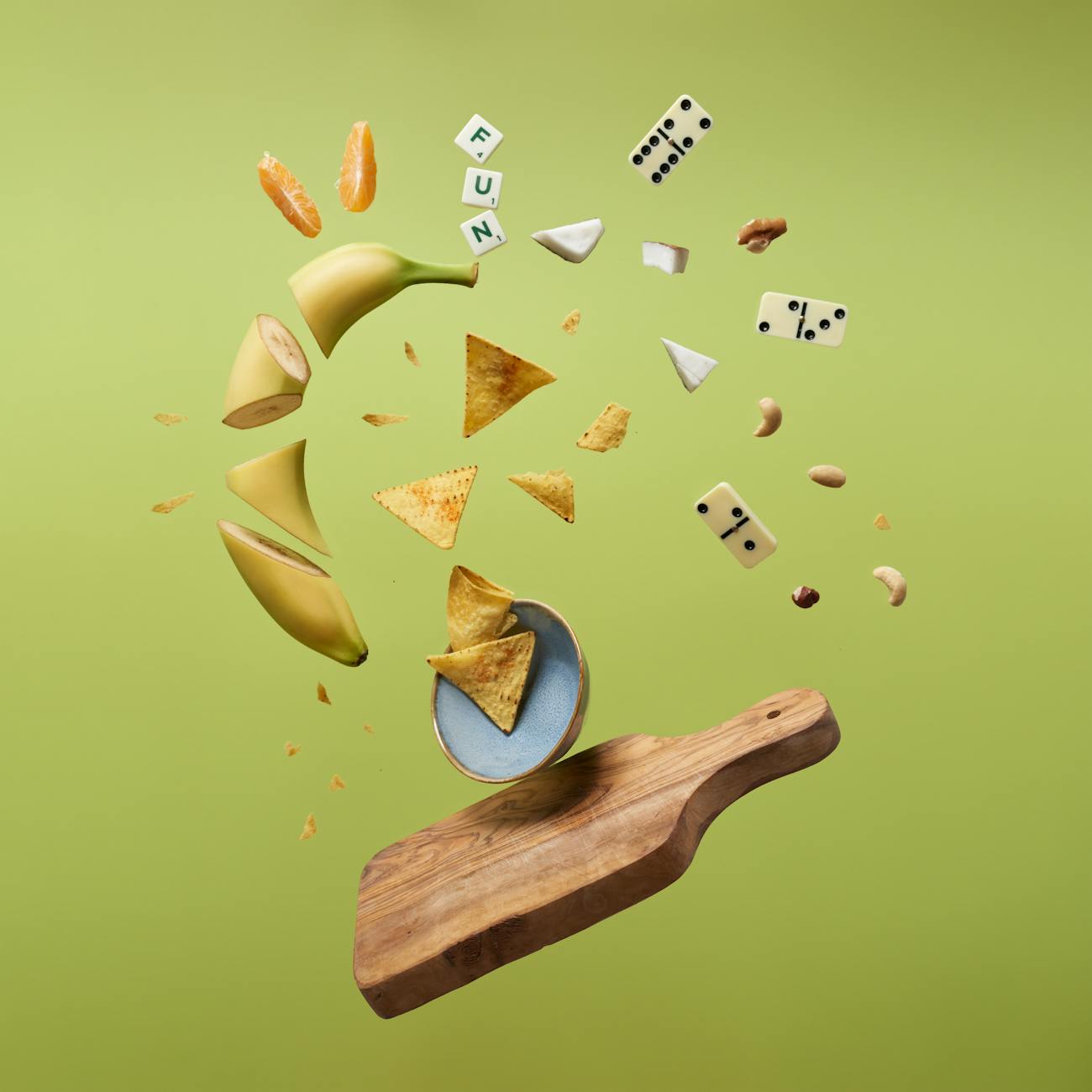
Storytelling through Food:
In the Advanced Skill Certificate in Urban Food Styling, one of the key concepts you will explore is storytelling through food. This involves using food as a medium to convey narratives, emotions, and cultural significance. It goes beyond just presenting a dish; it is about creating an experience for the viewer or consumer that evokes a sense of connection and engagement.
Key Terms and Vocabulary:
1. Food Styling: Food styling is the art of arranging food in an aesthetically pleasing and appetizing way for photography, video, or presentation. It involves selecting the right props, lighting, and composition to make the food look its best.
2. Food Narrative: Food narrative refers to the story or message that the food conveys. It can be about the origins of the dish, the cultural significance of certain ingredients, or the emotions evoked by the flavors.
3. Emotional Connection: Creating an emotional connection through food involves tapping into the nostalgia, comfort, or excitement that certain foods can evoke in people. It is about making the viewer or consumer feel something when they see or taste the food.
4. Cultural Significance: Food is often deeply intertwined with culture, traditions, and history. Understanding the cultural significance of certain ingredients or dishes can add depth and meaning to the food storytelling process.
5. Visual Storytelling: Visual storytelling in food styling involves using images or videos to communicate a narrative through the arrangement, styling, and composition of food. It is a powerful way to engage the audience and convey a message.
6. Ingredient Selection: Choosing the right ingredients is crucial in food storytelling. Each ingredient should not only contribute to the flavor and texture of the dish but also add to the overall story being told.
7. Color Theory: Color plays a significant role in food styling and storytelling. Different colors evoke different emotions and can set the mood for the viewer. Understanding color theory can help you create visually appealing and impactful food compositions.
8. Texture: Texture is another important element in food styling. It adds depth and dimension to the dish, making it more visually interesting. Playing with textures can also enhance the storytelling aspect of the food.
9. Composition: Composition refers to how elements are arranged within the frame of a photograph or video. A well-composed image guides the viewer's eye and tells a story through the placement of food, props, and negative space.
10. Props: Props are essential tools in food styling for creating a mood or setting a scene. They can help enhance the narrative of the food and add visual interest to the composition.
11. Lighting: Lighting is a critical aspect of food styling as it can dramatically impact the mood and appearance of the food. Understanding how to use natural or artificial light to highlight textures and colors is key to successful food storytelling.
12. Plating Techniques: Plating techniques involve how the food is arranged and presented on a plate. Different plating styles can evoke different emotions or convey specific messages to the viewer.
13. Seasonality: Seasonality refers to using ingredients that are in season at a particular time of year. Seasonal ingredients not only taste better but also add authenticity and relevance to the food narrative.
14. Culinary Techniques: Culinary techniques such as sous vide, smoking, or molecular gastronomy can be used to add a creative twist to traditional dishes and enhance the storytelling aspect of the food.
15. Story Arc: Just like in traditional storytelling, food storytelling can benefit from a well-defined story arc. This involves setting up the narrative, building tension, and providing a resolution through the presentation of the food.
16. Personal Branding: Personal branding in food styling involves developing a unique style and voice that sets you apart from other food stylists. It is about creating a consistent and recognizable image that reflects your values and storytelling approach.
17. Authenticity: Authenticity is key in food storytelling as it helps build trust with the audience. It involves being true to the origins of the dish, using high-quality ingredients, and presenting the food in a genuine and honest way.
18. Food Trends: Keeping up with food trends is important in food styling as it helps you stay relevant and innovative. Experimenting with new ingredients, techniques, or presentation styles can help you push the boundaries of traditional food storytelling.
Practical Applications:
1. When creating a food narrative, consider the cultural significance of the dish and how you can convey this through ingredient selection, plating techniques, and props.
2. Experiment with different lighting setups to see how they impact the mood and storytelling aspect of the food. Natural light can create a warm and inviting feel, while artificial light can add drama and contrast.
3. Use color theory to your advantage by selecting ingredients that complement each other and create a visually appealing color palette. Consider the emotions and associations that different colors evoke.
4. Play with textures in your food compositions to add interest and depth. Mix crunchy, crispy, and smooth elements to create a dynamic visual experience for the viewer.
5. Consider the story arc of your food presentation. Think about how you can build anticipation and excitement through the arrangement and reveal of the dish.
Challenges:
1. Balancing aesthetics with practicality can be a challenge in food styling. While you want the food to look beautiful, it also needs to be edible and enjoyable for the consumer.
2. Overcoming creative blocks and finding inspiration for new food narratives can be difficult. Experimenting with different cuisines, ingredients, and techniques can help spark creativity.
3. Staying true to your personal brand while also adapting to food trends and client preferences can be a delicate balance. Finding the right mix of innovation and authenticity is key to success in food styling.
4. Managing time and resources effectively is crucial in food styling, especially when working on tight deadlines or limited budgets. Planning ahead and being organized can help streamline the food storytelling process.
5. Seeking feedback and constructive criticism from peers, mentors, or clients can be challenging but essential for growth and improvement as a food stylist. Embrace feedback as an opportunity to learn and refine your skills.
Overall, storytelling through food is a multifaceted and creative process that combines culinary artistry, visual design, and emotional connection. By mastering the key terms and concepts in this course, you will be well-equipped to create compelling and engaging food narratives that resonate with your audience.
Key takeaways
- It goes beyond just presenting a dish; it is about creating an experience for the viewer or consumer that evokes a sense of connection and engagement.
- Food Styling: Food styling is the art of arranging food in an aesthetically pleasing and appetizing way for photography, video, or presentation.
- It can be about the origins of the dish, the cultural significance of certain ingredients, or the emotions evoked by the flavors.
- Emotional Connection: Creating an emotional connection through food involves tapping into the nostalgia, comfort, or excitement that certain foods can evoke in people.
- Understanding the cultural significance of certain ingredients or dishes can add depth and meaning to the food storytelling process.
- Visual Storytelling: Visual storytelling in food styling involves using images or videos to communicate a narrative through the arrangement, styling, and composition of food.
- Each ingredient should not only contribute to the flavor and texture of the dish but also add to the overall story being told.