
Covert Operations Planning
Covert operations planning is a critical aspect of special operations intelligence, involving the planning and execution of secret operations that are designed to further a nation's interests without being attributed to them. This type of p…
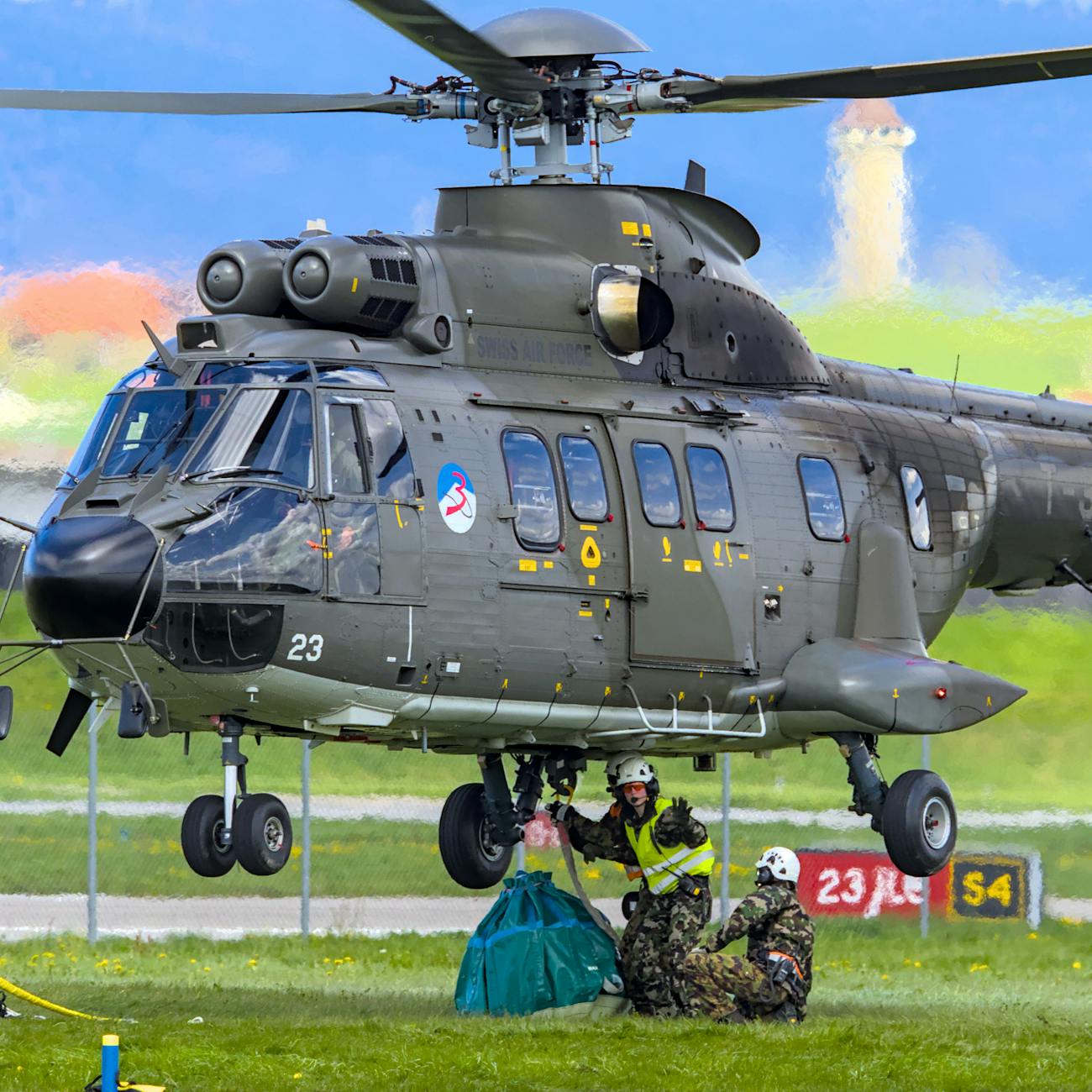
Covert operations planning is a critical aspect of special operations intelligence, involving the planning and execution of secret operations that are designed to further a nation's interests without being attributed to them. This type of planning requires a deep understanding of a range of key terms and vocabulary, which are explained in detail below.
1. Covert Action: Covert action is a broad term that refers to any operation that is conducted secretly, usually by a government or military agency, in order to achieve a political or military objective. Covert actions can take many forms, including propaganda campaigns, sabotage, and assassinations. 2. Special Activities: Special activities are a subset of covert actions that are typically more complex and require a higher degree of skill and resources. These activities may include the deployment of special operations forces, the use of sophisticated technology, or the infiltration of hostile territory. 3. Deniability: Deniability is the ability to deny involvement in a covert operation if it is exposed. This is a critical aspect of covert operations planning, as it allows a government or military agency to maintain plausible deniability and avoid the political and diplomatic repercussions of being linked to a secret operation. 4. Cover for Action: A cover for action is a false identity or story that is used to conceal the true nature of a covert operation. This can include creating a cover story for the individuals involved, as well as creating a cover organization or front company to provide a legitimate cover for the operation. 5. Operational Security (OPSEC): Operational security is the process of protecting sensitive information and ensuring that it does not fall into the wrong hands. This is a critical aspect of covert operations planning, as any leaks or breaches of security can compromise the operation and put lives at risk. 6. Intelligence Gathering: Intelligence gathering is the process of collecting and analyzing information about an enemy or target. This can include a wide range of sources, such as human intelligence (HUMINT), signals intelligence (SIGINT), and imagery intelligence (IMINT). 7. Penetration: Penetration is the act of infiltrating an enemy organization or system in order to gather intelligence or carry out a covert operation. This can be done through a variety of means, such as human agents, cyber attacks, or the use of technology. 8. Exfiltration: Exfiltration is the process of extracting personnel or intelligence from a hostile environment. This can be a challenging and dangerous operation, as it requires evading detection and avoiding capture by the enemy. 9. Safe Houses: Safe houses are secure locations that are used to house personnel or store equipment during a covert operation. These locations must be carefully selected and secured to ensure the safety and security of those using them. 10. Asset: An asset is a person or resource that is used to further a covert operation. This can include human agents, technology, or equipment. 11. Compartmentalization: Compartmentalization is the process of limiting access to information and resources to only those who need to know. This is a critical aspect of covert operations planning, as it helps to prevent leaks and ensures that the operation can be carried out successfully. 12. Contingency Planning: Contingency planning is the process of developing plans and procedures for dealing with unexpected events or setbacks during a covert operation. This is an essential part of covert operations planning, as it helps to ensure that the operation can continue even if things do not go according to plan. 13. After Action Review (AAR): An after action review is a debriefing that is conducted after a covert operation has been completed. This is an opportunity to review what went well and what could have been done better, and to identify any lessons that can be learned for future operations.
Examples:
* During the Cold War, the CIA conducted a number of covert operations against the Soviet Union, including the successful infiltration of a double agent into the Soviet military intelligence service. * In the 1980s, the US military's Delta Force conducted a number of high-profile covert operations, including the rescue of American hostages in Iran and the capture of Panamanian dictator Manuel Noriega.
Practical Applications:
* Understanding the key terms and vocabulary associated with covert operations planning is essential for anyone working in special operations intelligence or related fields. * These terms and concepts are used on a daily basis by intelligence analysts, special operations forces, and government officials, and a solid understanding of them is critical for effective communication and collaboration.
Challenges:
* Covert operations planning is a complex and challenging field, and mastering the key terms and vocabulary is just the first step. * Those working in this field must also be able to apply these concepts in real-world situations, and must be able to think quickly and creatively in order to respond to unexpected challenges and setbacks.
In conclusion, covert operations planning is a critical aspect of special operations intelligence, and requires a deep understanding of a range of key terms and vocabulary. From deniability and cover for action, to operational security and contingency planning, these concepts are essential for anyone working in this field. By mastering these terms and concepts, special operations intelligence professionals can help ensure the success of covert operations and protect the interests of their nation.
Key takeaways
- Covert operations planning is a critical aspect of special operations intelligence, involving the planning and execution of secret operations that are designed to further a nation's interests without being attributed to them.
- This is a critical aspect of covert operations planning, as it allows a government or military agency to maintain plausible deniability and avoid the political and diplomatic repercussions of being linked to a secret operation.
- * In the 1980s, the US military's Delta Force conducted a number of high-profile covert operations, including the rescue of American hostages in Iran and the capture of Panamanian dictator Manuel Noriega.
- * These terms and concepts are used on a daily basis by intelligence analysts, special operations forces, and government officials, and a solid understanding of them is critical for effective communication and collaboration.
- * Those working in this field must also be able to apply these concepts in real-world situations, and must be able to think quickly and creatively in order to respond to unexpected challenges and setbacks.
- By mastering these terms and concepts, special operations intelligence professionals can help ensure the success of covert operations and protect the interests of their nation.