
Insurgency and Guerrilla Warfare
Insurgency and guerrilla warfare are terms often used interchangeably, but they have distinct meanings and implications in the context of special operations intelligence. Understanding these concepts is crucial for military personnel, polic…
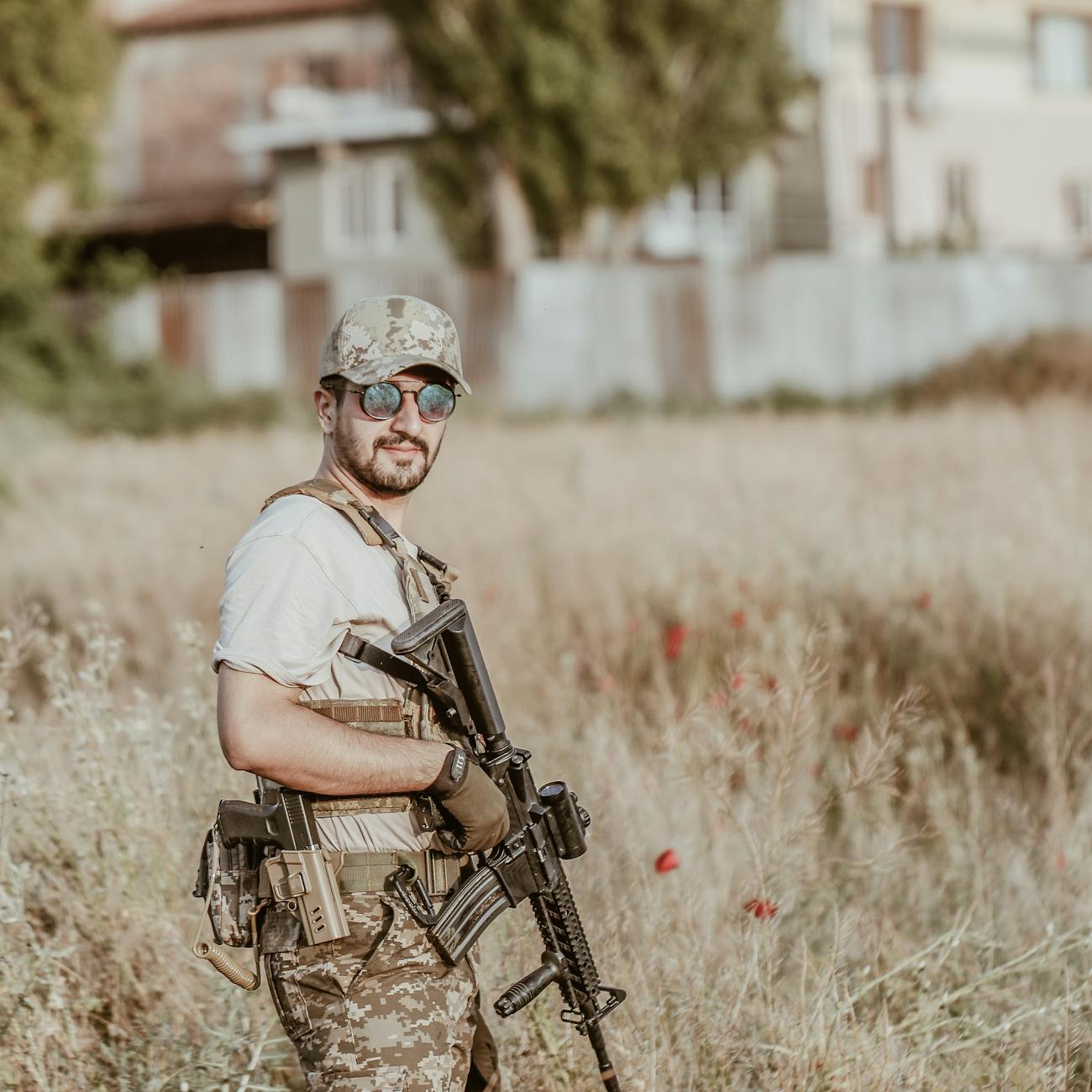
Insurgency and guerrilla warfare are terms often used interchangeably, but they have distinct meanings and implications in the context of special operations intelligence. Understanding these concepts is crucial for military personnel, policymakers, and intelligence analysts to effectively counter and neutralize such threats. This explanation will cover key terms and vocabulary related to insurgency and guerrilla warfare, providing a foundation for further study and analysis.
Insurgency: An insurgency is a protracted political-military struggle, primarily conducted by non-state actors, to overthrow an established order or authority. Insurgents aim to achieve their objectives by gaining popular support and waging a campaign of violence and subversion. Insurgencies often arise in response to perceived grievances, such as political exclusion, social injustice, or economic deprivation.
Guerrilla Warfare: Guerrilla warfare is a form of irregular warfare where small, mobile groups of combatants use unconventional tactics to harass and disrupt larger, more conventional forces. Guerrilla forces rely on the support of the local population for intelligence, supplies, and safe havens. Guerrilla warfare is often employed as part of an insurgency strategy, but it can also be used for other purposes, such as resistance against foreign occupation.
Protracted Conflict: A protracted conflict is a long-term struggle between opposing forces, characterized by low-intensity violence, political maneuvering, and social mobilization. Protracted conflicts often involve insurgencies and guerrilla warfare, as well as counterinsurgency efforts by state actors.
Asymmetric Warfare: Asymmetric warfare refers to the employment of unconventional tactics, weapons, and strategies by weaker actors against stronger adversaries. Insurgencies and guerrilla warfare are often asymmetric in nature, as they rely on guile, agility, and surprise to offset the military superiority of their opponents.
Political-Military Struggle: Insurgencies and guerrilla warfare are primarily political-military struggles, meaning they involve both military and political dimensions. Insurgents seek to undermine the legitimacy of the existing order by attacking its military forces, disrupting its governing institutions, and mobilizing popular support.
Non-State Actors: Non-state actors are individuals or organizations that operate outside the formal structures of government and international organizations. Insurgents and guerrilla forces are typically non-state actors, as they are not part of the formal military or political establishments of the countries in which they operate.
Popular Support: Popular support is the backing and approval of the local population for a particular cause, organization, or individual. Insurgents rely on popular support for intelligence, supplies, and sanctuary, making it a critical factor in the success or failure of an insurgency.
Unconventional Tactics: Unconventional tactics are military strategies and techniques that deviate from the standard practices of regular armed forces. Insurgents and guerrillas often employ unconventional tactics, such as ambushes, raids, and sabotage, to disrupt and degrade their adversaries' military capabilities.
Maoist Insurgency: A Maoist insurgency is a form of insurgency inspired by the theories and strategies of Chinese revolutionary leader Mao Zedong. Maoist insurgencies typically involve a protracted struggle, characterized by guerrilla warfare, political mobilization, and the establishment of alternative governance structures in rural areas.
Foco Theory: Foco theory is a strategy of insurgency developed by Cuban revolutionary Che Guevara. Foco theory posits that a small, highly disciplined group of guerrillas can spark a broader revolutionary movement by establishing a beachhead, or "foco," from which to expand their influence and rally popular support.
Insurgent Base Areas: Insurgent base areas are geographic regions controlled or influenced by insurgent forces. Base areas provide insurgents with a secure sanctuary from which to plan and conduct operations, as well as a platform for mobilizing popular support and expanding their influence.
Insurgent Financing: Insurgent financing refers to the various methods used by insurgent forces to raise and sustain their operational funds. Insurgent financing can include criminal activities, such as drug trafficking, kidnapping, and extortion, as well as external support from sympathetic governments or organizations.
Counterinsurgency: Counterinsurgency is a set of military, political, and social strategies employed by state actors to neutralize and defeat insurgencies. Effective counterinsurgency requires a comprehensive approach, combining military force, political engagement, and economic development to address the underlying grievances that fuel insurgent movements.
Clear, Hold, Build: Clear, hold, build is a counterinsurgency strategy that involves three distinct phases: clearing insurgent forces from a particular area, holding that area with security forces, and building governance structures, infrastructure, and services to win the loyalty and support of the local population.
Population-Centric Counterinsurgency: Population-centric counterinsurgency is a strategy that prioritizes the protection and empowerment of the local population as the primary means of undermining insurgent influence and control. Population-centric counterinsurgency emphasizes the importance of building trust and cooperation with local communities, as well as addressing the underlying grievances that fuel insurgent movements.
Foreign Internal Defense: Foreign internal defense is a form of military assistance provided by one country to another to help the recipient nation build its capacity to counter and defeat insurgencies. Foreign internal defense can include training, equipment, and advice, as well as intelligence sharing and operational support.
Unconventional Warfare: Unconventional warfare is a form of military conflict that involves the use of irregular forces, such as guerrillas and insurgents, to achieve political objectives. Unconventional warfare can include guerrilla warfare, counterinsurgency, and other forms of irregular warfare, and it often involves the use of deception, subversion, and unconventional tactics.
Special Operations Forces: Special operations forces are elite military units trained for specialized missions, such as counterterrorism, direct action, and unconventional warfare. Special operations forces often play a key role in counterinsurgency and unconventional warfare operations, providing the military expertise and capabilities required to neutralize and defeat irregular threats.
Psychological Operations: Psychological operations, or PSYOP, are planned activities designed to influence the emotions, attitudes, and behaviors of target audiences. PSYOP can include propaganda, media manipulation, and other forms of influence, and it is often employed as part of a broader counterinsurgency or unconventional warfare strategy.
In summary, insurgency and guerrilla warfare are complex and multifaceted phenomena that require a deep understanding of key terms and concepts to effectively counter and neutralize. By familiarizing themselves with the vocabulary and concepts outlined above, military personnel, policymakers, and intelligence analysts can better navigate the challenges posed by insurgency and guerrilla warfare and develop more effective strategies for addressing these threats.
Challenges:
1. Identify a historical or contemporary example of an insurgency or guerrilla warfare campaign and analyze it using the key terms and concepts outlined above. 2. Compare and contrast the strengths and weaknesses of population-centric counterinsurgency and traditional, force-centric counterinsurgency strategies. 3. Discuss the potential implications of foreign internal defense for the donor and recipient nations, including the risks and benefits of such assistance. 4. Evaluate the role of psychological operations in counterinsurgency and unconventional warfare and the potential ethical implications of such activities. 5. Explore the challenges and opportunities presented by the rise of transnational insurgent networks and the implications for special operations intelligence.
Insurgency and Guerrilla Warfare are complex and multifaceted phenomena that are critical to understanding in the field of Special Operations Intelligence. This response will provide a comprehensive explanation of key terms and vocabulary related to Insurgency and Guerrilla Warfare in the context of the Masterclass Certificate in Special Operations Intelligence.
1. Insurgency: An insurgency is a prolonged political-military struggle designed to weaken and eventually overthrow an established government or regime, through the use of subversion, propaganda, terrorism, and armed conflict. Insurgencies are often waged by non-state actors, such as rebel groups or terrorist organizations, against established governments or occupying powers. 2. Guerrilla Warfare: Guerrilla warfare is a form of irregular warfare where small groups of combatants use military tactics like ambushes, sabotage, and hit-and-run tactics to fight larger and less-mobile traditional military forces. Guerrilla warfare is often used in the context of an insurgency and is characterized by its asymmetric nature. 3. Asymmetric Warfare: Asymmetric warfare is a form of warfare where the opponents have different levels of power, capabilities, and strategies. Insurgencies and guerrilla warfare are often examples of asymmetric warfare, where non-state actors use unconventional tactics to fight against established military forces. 4. Counterinsurgency: Counterinsurgency (COIN) is a military, political, economic, and social strategy used by governments to defeat an insurgency. COIN aims to address the root causes of the insurgency, such as poverty, inequality, and political instability, while also using military force to defeat the insurgents. 5. Insurgent: An insurgent is a member of a group that uses subversion, propaganda, terrorism, and armed conflict to weaken and overthrow an established government or regime. Insurgents often use guerrilla warfare tactics to fight against larger and more conventional military forces. 6. Irregular Warfare: Irregular warfare is a form of warfare that includes a range of unconventional tactics, such as guerrilla warfare, terrorism, and insurgency. Irregular warfare is often used by non-state actors against established governments or occupying powers. 7. Propaganda: Propaganda is the deliberate spread of information, ideas, or rumors to influence the opinions or behaviors of a target audience. In the context of insurgency and guerrilla warfare, propaganda is often used to recruit new members, inspire support, and undermine the legitimacy of the government or regime. 8. Subversion: Subversion is the use of covert or indirect means to undermine the authority or power of an established government or regime. In the context of insurgency and guerrilla warfare, subversion often involves infiltrating government institutions, spreading propaganda, and engaging in acts of sabotage. 9. Terrorism: Terrorism is the use of violence or the threat of violence to achieve a political or ideological goal. Terrorism is often used in the context of insurgency and guerrilla warfare to create fear and panic, disrupt social order, and undermine the legitimacy of the government or regime. 10. Insurgent Base Areas: Insurgent base areas are regions or territories that are controlled or influenced by insurgent groups. Insurgent base areas often serve as safe havens, training grounds, and logistical support centers for insurgent forces. 11. Insurgent Safe Havens: Insurgent safe havens are regions or territories that provide insurgent forces with a secure and protected environment to operate, train, and rest. Insurgent safe havens are often located in remote or border regions, where government control is weak or non-existent. 12. Foco Theory: Foco theory is a guerrilla warfare strategy that emphasizes the importance of creating a small, highly motivated and organized group of fighters, known as a foco, to serve as the nucleus of a larger revolutionary movement. The foco is intended to serve as a catalyst for popular support and mobilization, eventually leading to the overthrow of the government or regime. 13. Insurgent Financing: Insurgent financing refers to the various means by which insurgent groups raise and generate funds to support their operations. Insurgent financing often involves criminal activities, such as drug trafficking, smuggling, and extortion, as well as donations from sympathetic individuals or organizations. 14. Insurgent Recruitment: Insurgent recruitment refers to the process by which insurgent groups attract and enlist new members to their cause. Insurgent recruitment often involves propaganda, ideological appeals, and personal connections, as well as material incentives, such as money, food, and protection. 15. Insurgent Training: Insurgent training refers to the process by which insurgent groups teach their members the skills and knowledge necessary to conduct guerrilla warfare and other irregular warfare tactics. Insurgent training often involves ideological indoctrination, physical conditioning, and tactical instruction. 16. Insurgent Logistics: Insurgent logistics refers to the process by which insurgent groups acquire, transport, and distribute the supplies and equipment necessary to conduct their operations. Insurgent logistics often involves smuggling, black markets, and other illicit activities. 17. Insurgent Communications: Insurgent communications refer to the various means by which insurgent groups communicate with their members, supporters, and the general public. Insurgent communications often involve the use of secure and encrypted messaging systems, as well as traditional media outlets, such as radio, television, and print. 18. Insurgent Psychological Operations: Insurgent psychological operations refer to the use of propaganda, ideological appeals, and other psychological tactics to influence the opinions, behaviors, and emotions of a target audience. Insurgent psychological operations often involve the use of fear, anger, and other negative emotions to inspire support and mobilization. 19. Insurgent Leadership: Insurgent leadership refers to the individuals or groups that exercise command and control over insurgent forces. Insurgent leadership often involves a charismatic and visionary leader, who is able to inspire and motivate their followers to achieve their goals. 20. Insurgent Ideology: Insurgent ideology refers to the political, social, and economic beliefs and values that underpin an insurgency. Insurgent ideology often involves a critique of the existing social order, as well as a vision for a new and better society.
Example: The Taliban insurgency in Afghanistan is an example of an ongoing insurgency that involves the use of guerrilla warfare tactics, propaganda, and subversion to weaken and overthrow the Afghan government. The Taliban operates from insurgent base areas and safe havens in remote border regions, and finances its operations through drug trafficking, extortion, and donations from sympathetic individuals and organizations. The Taliban recruits new members through propaganda, ideological appeals, and personal connections, and trains them in guerrilla warfare tactics and other irregular warfare skills. The Taliban uses secure and encrypted messaging systems, as well as traditional media outlets, to communicate with its members, supporters, and the general public, and employs psychological operations to inspire fear and mobilize support. The Taliban is led by a charismatic and visionary leader, who is able to inspire and motivate their followers to achieve their goals, and operates according to a strict ideology that emphasizes the importance of sharia law and the restoration of the Islamic Emirate of Afghanistan.
Practical Application: Understanding the key terms and vocabulary related to Insurgency and Guerrilla Warfare is critical for special operations intelligence professionals, who are responsible for collecting, analyzing, and disseminating information related to ongoing insurgencies and guerrilla warfare campaigns. By familiarizing themselves with the language and concepts used by insurgent groups, special operations intelligence professionals can better understand the motivations, goals, and tactics of their adversaries, and develop effective strategies to counter their operations.
Challenge: One of the key challenges facing special operations intelligence professionals in the context of Insurgency and Guerrilla Warfare is the complexity and dynamism of the phenomena. Insurgencies and guerrilla warfare campaigns often involve multiple actors, shifting alliances, and rapidly changing tactics, making it difficult to keep track of the situation and develop effective strategies. To meet this challenge, special operations intelligence professionals must be able to think critically, adapt quickly, and communicate effectively, in order to provide accurate and timely information to decision-makers and operational planners.
Insurgency and Guerrilla Warfare are two critical concepts in the study of special operations intelligence. These forms of warfare are often used by non-state actors or state-sponsored groups to achieve political objectives through unconventional means. Understanding these concepts and their key terms is essential for anyone pursuing a Masterclass Certificate in Special Operations Intelligence.
Insurgency is a protracted political-military struggle designed to weaken and eventually overthrow an established government or regime. Insurgents use unconventional tactics such as ambushes, sabotage, and terrorism to achieve their objectives. Insurgency is often characterized by a low-intensity conflict that can last for years or even decades.
Guerrilla warfare, on the other hand, is a form of irregular warfare where small groups of combatants use military tactics such as ambushes, sabotage, and hit-and-run tactics to fight larger and less-mobile traditional military forces. Guerrilla warfare is often used as a tactic by insurgents to achieve their political objectives.
Here are some key terms and vocabulary related to Insurgency and Guerrilla Warfare:
1. **Insurgent**: An insurgent is a member of a group that uses unconventional tactics to overthrow an established government or regime. Insurgents can be motivated by a variety of factors, including political, ideological, or religious beliefs. 2. **Asymmetric Warfare**: Asymmetric warfare is a type of warfare where one side has a significant advantage over the other in terms of resources, manpower, or technology. Insurgents often use asymmetric warfare tactics to exploit the weaknesses of larger and more traditional military forces. 3. **Terrorism**: Terrorism is the use of violence or the threat of violence to achieve a political objective. Terrorism is often used as a tactic by insurgents to create fear and instability in a population. 4. **Propaganda**: Propaganda is the dissemination of information or ideas designed to promote a particular political agenda or point of view. Insurgents often use propaganda to recruit new members, garner support from the population, and undermine the legitimacy of the government or regime they are fighting against. 5. **Insurgency Campaign**: An insurgency campaign is a long-term, strategic plan used by insurgents to achieve their political objectives. Insurgency campaigns often involve a combination of military, political, and economic tactics. 6. **Guerrilla Base**: A guerrilla base is a secure location where guerrilla fighters can rest, train, and plan operations. Guerrilla bases are often located in remote, rural areas that are difficult for traditional military forces to access. 7. **Cell Structure**: A cell structure is a organizational structure used by insurgents to minimize the risk of detection and infiltration by security forces. In a cell structure, small groups of fighters operate independently of each other, with only a few key leaders having knowledge of the overall strategy and objectives. 8. **Hit-and-Run Tactics**: Hit-and-run tactics are a type of guerrilla warfare tactic where fighters attack a target and then quickly retreat before they can be engaged by security forces. Hit-and-run tactics are designed to maximize the impact of attacks while minimizing the risk to the guerrilla fighters. 9. **Ambushes**: An ambush is a surprise attack on a military or civilian target. Ambushes are a common tactic used by insurgents and guerrilla fighters to achieve their objectives. 10. **Sabotage**: Sabotage is the deliberate destruction or disruption of infrastructure or equipment. Sabotage is often used by insurgents and guerrilla fighters to weaken the enemy's ability to fight and to create economic and political instability. 11. **Insurgent Financing**: Insurgent financing is the process by which insurgents obtain the resources necessary to fund their operations. Insurgent financing can come from a variety of sources, including donations, criminal activity, and state sponsorship. 12. **Population-Centric Approach**: A population-centric approach is a counterinsurgency strategy that focuses on winning the support of the population. A population-centric approach often involves the provision of security, economic development, and governance programs to win the support of the population and undermine the legitimacy of the insurgency. 13. **Counterinsurgency**: Counterinsurgency is a military, political, and economic strategy used by governments to combat insurgencies. Counterinsurgency often involves a combination of military force, political engagement, and economic development.
Understanding these key terms and concepts is essential for anyone pursuing a Masterclass Certificate in Special Operations Intelligence. By familiarizing yourself with these terms, you will be better equipped to analyze and understand the complex and dynamic nature of insurgency and guerrilla warfare.
Examples and Practical Applications:
One example of an insurgency is the Iraqi insurgency, which began in 2003 following the US-led invasion of Iraq. The insurgency was led by a variety of groups, including Sunni militias, former regime loyalists, and foreign fighters. The insurgents used a combination of guerrilla warfare tactics, including ambushes, IEDs, and suicide bombings, to attack US and coalition forces. The insurgency was fueled by a variety of factors, including anger at the US occupation, sectarian tensions, and the desire for political power.
In response to the insurgency, the US military adopted a population-centric approach, which involved providing security, economic development, and governance programs to the Iraqi population. The US military also worked to build the capacity of the Iraqi security forces and to engage in political dialogue with Iraqi leaders.
Challenges:
One of the biggest challenges in countering insurgency and guerrilla warfare is the difficulty in identifying and targeting insurgents. Insurgents often blend in with the local population and use civilian infrastructure to conduct their operations. This makes it difficult for security forces to distinguish between insurgents and civilians.
Another challenge is the complexity and dynamism of insurgency and guerrilla warfare. Insurgencies are often driven by a variety of factors, including political, ideological, and religious beliefs. This makes it difficult to develop a one-size-fits-all counterinsurgency strategy.
In conclusion, understanding the key terms and concepts related to Insurgency and Guerrilla Warfare is essential for anyone pursuing a Masterclass Certificate in Special Operations Intelligence. By familiarizing yourself with these terms, you will be better equipped to analyze and understand the complex and dynamic nature of insurgency and guerrilla warfare. While there are challenges in countering insurgency and guerrilla warfare, a population-centric approach that focuses on winning the support of the population can be an effective strategy.
Key takeaways
- Insurgency and guerrilla warfare are terms often used interchangeably, but they have distinct meanings and implications in the context of special operations intelligence.
- Insurgency: An insurgency is a protracted political-military struggle, primarily conducted by non-state actors, to overthrow an established order or authority.
- Guerrilla Warfare: Guerrilla warfare is a form of irregular warfare where small, mobile groups of combatants use unconventional tactics to harass and disrupt larger, more conventional forces.
- Protracted Conflict: A protracted conflict is a long-term struggle between opposing forces, characterized by low-intensity violence, political maneuvering, and social mobilization.
- Insurgencies and guerrilla warfare are often asymmetric in nature, as they rely on guile, agility, and surprise to offset the military superiority of their opponents.
- Insurgents seek to undermine the legitimacy of the existing order by attacking its military forces, disrupting its governing institutions, and mobilizing popular support.
- Insurgents and guerrilla forces are typically non-state actors, as they are not part of the formal military or political establishments of the countries in which they operate.