
Interrogation and Debriefing
Interrogation and Debriefing are critical components of intelligence gathering in special operations. Here are some key terms and vocabulary related to these concepts:
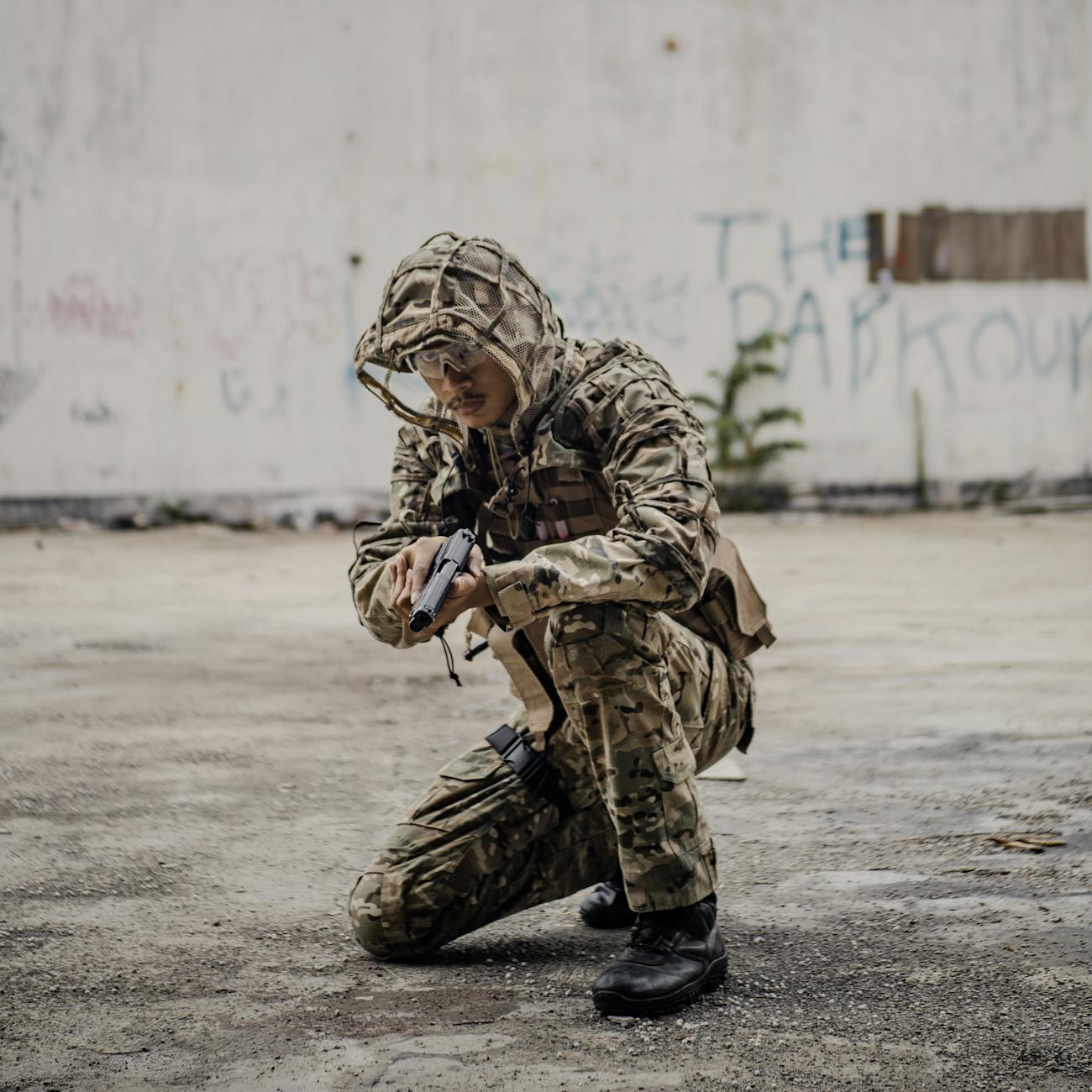
Interrogation and Debriefing are critical components of intelligence gathering in special operations. Here are some key terms and vocabulary related to these concepts:
1. Interrogation: The act of questioning a person to extract information. There are different types of interrogation techniques, including: * Informal Interview: A non-confrontational, non-accusatory conversation that aims to build rapport and gather information. * Formal Interview: A structured conversation with a specific agenda and purpose, often used in criminal investigations. * Interrogation: A more intensive and focused form of questioning, usually used in intelligence gathering and national security investigations. 2. Debriefing: The process of gathering information from individuals after a specific event or operation. There are different types of debriefing techniques, including: * After-Action Review (AAR): A structured review of an operation or event, focusing on what happened, why it happened, and how it can be improved. * Personal Debriefing: A one-on-one conversation between a debriefer and an individual, aimed at gathering detailed information about their experiences and observations. * Hotwash: A quick, informal debriefing that takes place immediately after an operation or event, focusing on initial impressions and lessons learned. 3. Interrogation Techniques: There are various interrogation techniques used in special operations, including: * Rapport-Building: Establishing a positive and trusting relationship with the person being interrogated, making them more likely to cooperate and share information. * Emotional Manipulation: Using emotions such as fear, guilt, or anger to influence the person being interrogated and elicit information. * Incentives: Offering rewards or incentives to the person being interrogated in exchange for information. * Coercion: Using threats, physical force, or other forms of pressure to extract information from the person being interrogated. 4. Debriefing Techniques: There are also various debriefing techniques used in special operations, including: * Chronological Recall: Asking the individual to recall events in the order they occurred, helping to create a clear and accurate picture of what happened. * Reverse Chronological Recall: Asking the individual to recall events in reverse order, starting with the most recent event and working backwards. * Funnel Approach: Starting with broad questions and gradually narrowing down to more specific ones, helping to elicit detailed and precise information. * Open-Ended Questions: Asking open-ended questions that cannot be answered with a simple "yes" or "no," encouraging the individual to provide more information. 5. Ethical Considerations: Interrogation and debriefing must be conducted ethically, with respect for the individual's rights and dignity. Some ethical considerations include: * Informed Consent: The individual must be informed of their rights and the purpose of the interrogation or debriefing, and must give their consent to participate. * Prohibition of Torture: Torture and other forms of physical or psychological coercion are strictly prohibited and constitute a violation of human rights. * Cultural Sensitivity: Interrogators and debriefers must be aware of cultural differences and sensitivities, and must adjust their approach accordingly. * Confidentiality: The information gathered during interrogation or debriefing must be kept confidential and used only for the intended purpose.
Examples:
* During a hostage situation, a special operations team may conduct an informal interview with the hostage-taker to gather information about their demands and motivations. * After a successful special operations mission, the team may conduct an after-action review to identify strengths and areas for improvement. * In a criminal investigation, a detective may use emotional manipulation techniques to interrogate a suspect and extract a confession.
Practical Applications:
* Interrogators and debriefers must be trained in various interrogation and debriefing techniques, as well as ethical considerations. * Interrogators and debriefers must be aware of cultural differences and sensitivities, and must adjust their approach accordingly. * Interrogators and debriefers must establish a positive and trusting relationship with the person being interrogated or debriefed, making them more likely to cooperate and share information.
Challenges:
* Interrogators and debriefers may face resistance or reluctance from the person being interrogated or debriefed. * Interrogators and debriefers must balance the need for information with ethical considerations such as informed consent and confidentiality. * Interrogators and debriefers must be aware of the potential for bias and must strive to remain objective and impartial.
In conclusion, interrogation and debriefing are critical components of intelligence gathering in special operations. Understanding key terms and vocabulary, as well as various interrogation and debriefing techniques, can help interrogators and debriefers to effectively gather information while respecting ethical considerations. Effective communication, cultural sensitivity, and a positive and trusting relationship with the person being interrogated or debriefed are also essential for successful intelligence gathering.
Interrogation and debriefing are two crucial components of intelligence gathering in special operations. While they share some similarities, they have distinct purposes, methods, and applications.
Interrogation is a systematic process of extracting information from individuals, usually through structured questions and communication techniques. Its primary goal is to gather accurate, reliable, and actionable intelligence from subjects who may be reluctant or unwilling to provide information. Interrogation can be conducted in various settings, such as battlefields, detention centers, or safe houses, and it often involves individuals who have been captured, detained, or arrested.
There are different types of interrogation techniques, including informational, intimidation-based, and persuasive techniques.
Informational interrogation focuses on gathering specific and factual information from the subject. It involves using open-ended and closed-ended questions, active listening, and non-verbal communication to extract information. This technique is often used in law enforcement and military intelligence settings.
Intimidation-based interrogation involves using coercive or threatening tactics to extract information from the subject. It can include physical or psychological manipulation, isolation, or sleep deprivation. This technique is controversial and often considered unethical and illegal, as it can lead to false confessions and violations of human rights.
Persuasive interrogation involves building rapport and trust with the subject to encourage them to provide information voluntarily. It can include using empathy, understanding, and cultural sensitivity to connect with the subject and gain their trust. This technique is often used in hostage negotiations and counterintelligence operations.
Debriefing, on the other hand, is a process of gathering information from individuals who have participated in a specific operation or event. Its primary goal is to extract lessons learned, best practices, and areas for improvement to enhance future operations and mission success. Debriefing can be conducted in various settings, such as after a mission, training exercise, or meeting.
There are different types of debriefing techniques, including after-action reviews, hot wash-ups, and structured interviews.
After-action reviews (AARs) are a common debriefing technique used in military and law enforcement settings. AARs involve a structured discussion among team members to identify what happened, why it happened, and how it can be improved. AARs can be conducted immediately after an operation or event or at a later time.
Hot wash-ups are a rapid debriefing technique used in high-pressure or time-sensitive situations. Hot wash-ups involve a brief and focused discussion among team members to identify critical lessons learned and areas for improvement. Hot wash-ups can be conducted immediately after an operation or event or at a later time.
Structured interviews are a systematic debriefing technique used in intelligence and research settings. Structured interviews involve using a standardized set of questions and communication techniques to gather information from individuals. Structured interviews can be conducted in various settings, such as interviews, surveys, or focus groups.
Challenges in interrogation and debriefing include dealing with language barriers, cultural differences, trauma, and resistance. To overcome these challenges, interrogators and debriefers can use various techniques, such as using interpreters, building rapport, using cultural sensitivity, and applying psychological principles.
In summary, interrogation and debriefing are two essential components of intelligence gathering in special operations. While interrogation focuses on extracting information from unwilling or reluctant subjects, debriefing focuses on gathering lessons learned and best practices from willing participants. Both techniques require specialized skills, knowledge, and communication techniques to be effective and ethical. Challenges in interrogation and debriefing can be overcome by using various techniques and principles, such as building rapport, using cultural sensitivity, and applying psychological principles.
Examples of interrogation and debriefing in special operations include the following:
Interrogation: During the Iraq War, military interrogators used various techniques to extract information from captured insurgents and terrorists. One technique involved using cultural sensitivity and empathy to build rapport with the subjects and encourage them to provide information voluntarily. Another technique involved using open-ended and closed-ended questions to gather specific and factual information. However, some interrogators used coercive and threatening tactics, such as physical and psychological manipulation, which led to controversy and legal challenges.
Debriefing: After a special forces operation in Afghanistan, a debriefer conducted an after-action review with the team members to identify what happened, why it happened, and how it can be improved. The debriefer used a standardized set of questions and communication techniques to gather information from the team members. The debriefing identified critical lessons learned, such as the need for better communication and coordination, and areas for improvement, such as the need for more training and equipment.
Practical applications of interrogation and debriefing in special operations include the following:
Interrogation: Interrogators can use various techniques, such as building rapport, using cultural sensitivity, and applying psychological principles, to extract accurate, reliable, and actionable intelligence from unwilling or reluctant subjects. Interrogators can also use specialized equipment, such as lie detectors and voice stress analyzers, to enhance their interrogation techniques.
Debriefing: Debriefers can use various techniques, such as after-action reviews, hot wash-ups, and structured interviews, to gather lessons learned, best practices, and areas for improvement from willing participants. Debriefers can also use specialized software, such as debriefing tools and databases, to enhance their debriefing techniques and share the information with other teams and organizations.
Conclusion
Interrogation and debriefing are two critical components of intelligence gathering in special operations. Examples and practical applications of interrogation and debriefing in special operations illustrate their importance and value in enhancing mission success and intelligence gathering.
The following key terms and vocabulary are essential for understanding these concepts:
1. Interrogation: The process of extracting information from individuals, usually through structured questioning. 2. Debriefing: The process of gathering information from individuals after an operation or mission, often through informal conversation. 3. Interrogation Techniques: Specific methods used during interrogations, such as rapport building, confrontational questioning, or the use of incentives. 4. Debriefing Techniques: Specific methods used during debriefings, such as active listening, open-ended questions, or the use of visual aids. 5. Interrogator: An individual who conducts interrogations, often a trained intelligence officer. 6. Debriefer: An individual who conducts debriefings, often a team leader or experienced operator. 7. Subject: The individual being interrogated or debriefed. 8. Custodial Interrogation: An interrogation of a person who is in custody or otherwise deprived of their freedom of movement. 9. Non-Custodial Interrogation: An interrogation of a person who is not in custody or deprived of their freedom of movement. 10. Voluntariness: The concept that an individual's statements during an interrogation or debriefing must be given freely and without coercion. 11. Miranda Warnings: A set of warnings required to be given to a suspect in custody in the United States before they are questioned, advising them of their rights. 12. Informed Consent: The concept that an individual must be fully informed and understand the implications of providing information during an interrogation or debriefing. 13. HUMINT: Human Intelligence, the collection of information through human sources. 14. Source: An individual who provides information to an intelligence officer. 15. Handlers: Individuals who manage and control sources, often intelligence officers. 16. Exploitation: The process of extracting and analyzing information from sources. 17. Counterintelligence: The practice of identifying and neutralizing foreign intelligence threats. 18. Counterinterrogation: The practice of resisting interrogation by an adversary. 19. Deception: The use of false or misleading information to mislead an adversary. 20. Source Development: The process of identifying, recruiting, and managing sources. 21. Source Validation: The process of verifying the reliability and accuracy of information provided by a source. 22. Source Protection: The practice of ensuring the safety and security of sources. 23. Interrogation Plan: A detailed plan outlining the objectives, techniques, and logistics of an interrogation. 24. Interrogation Support Team: A team of individuals who provide support to the interrogator, such as language interpreters, cultural advisors, or technical experts. 25. Debriefing Plan: A detailed plan outlining the objectives, techniques, and logistics of a debriefing. 26. Debriefing Support Team: A team of individuals who provide support to the debriefer, such as medical personnel, psychologists, or technical experts. 27. After-Action Review: A structured review of an operation or mission, often conducted immediately after the event, to identify lessons learned and areas for improvement. 28. Lessons Learned: Insights and knowledge gained from an operation or mission that can be applied to future operations. 29. Hotwash: An immediate, informal debriefing conducted shortly after an operation or mission, often while still in the field. 30. After-Action Report: A detailed written report summarizing the findings and recommendations from an after-action review.
Interrogation Techniques:
Interrogation techniques vary depending on the situation, the subject, and the objectives of the interrogation. The following are some common interrogation techniques:
1. Rapport Building: The process of establishing a positive relationship with the subject, often through small talk, empathy, or shared interests. 2. Confrontational Questioning: The process of challenging the subject's beliefs, values, or actions, often through direct questioning or confrontation. 3. Incentives: The use of rewards, such as food, cigarettes, or privileges, to encourage the subject to provide information. 4. Coercion: The use of threats, force, or other forms of pressure to compel the subject to provide information. 5. Emotional Appeals: The use of emotional language, such as appeals to patriotism, religion, or family, to persuade the subject to provide information. 6. Fear-Based Techniques: The use of fear, such as the threat of punishment or harm, to compel the subject to provide information. 7. Good Cop/Bad Cop: A technique in which two interrogators play contrasting roles, one friendly and supportive, the other confrontational and aggressive.
Debriefing Techniques:
Debriefing techniques also vary depending on the situation, the subject, and the objectives of the debriefing. The following are some common debriefing techniques:
1. Active Listening: The process of fully engaging with the subject, often through body language, eye contact, and verbal cues. 2. Open-Ended Questions: The use of questions that allow the subject to provide detailed and nuanced responses, rather than simple yes or no answers. 3. Visual Aids: The use of diagrams, maps, or other visual aids to help the subject recall and describe events. 4. Reflection: The process of summarizing and repeating back to the subject what they have said, to ensure understanding and accuracy. 5. Empathy: The process of understanding and acknowledging the subject's emotions, often through validation or normalization. 6. Challenge: The process of questioning the subject's assumptions, beliefs, or actions, often through respectful and non-confrontational dialogue. 7. Action Planning: The process of identifying and planning for future actions, often through goal-setting and problem-solving.
Examples and Practical Applications:
Interrogation and debriefing techniques can be used in a variety of situations, from law enforcement to military operations to business negotiations. Here are some examples:
1. A law enforcement officer is questioning a suspect in a criminal investigation. The officer uses rapport building techniques, such as small talk and empathy, to establish a positive relationship with the suspect. The officer then uses open-ended questions and active listening to encourage the suspect to provide detailed and accurate information. 2. A military intelligence officer is debriefing a soldier after a combat mission. The officer uses visual aids, such as maps and diagrams, to help the soldier recall and describe events. The officer then uses reflection and empathy to ensure understanding and accuracy, and challenge any assumptions or beliefs that may be hindering the soldier's performance. 3. A business negotiator is debriefing a colleague after a failed negotiation. The negotiator uses open-ended questions and active listening to encourage the colleague to provide detailed and nuanced feedback. The negotiator then uses challenge and action planning to identify areas for improvement and develop a plan for future negotiations.
Challenges:
Interrogation and debriefing techniques can be challenging to implement, especially in high-stress or high-consequence situations. Here are some common challenges:
1. Emotional Stress: The subject may be experiencing emotional stress or trauma, which can affect their ability to recall and describe events accurately. 2. Cultural Differences: The subject may have different cultural norms or values, which can affect their willingness to provide information or engage in certain techniques. 3. Time Constraints: The interrogation or debriefing may need to be conducted under time constraints, limiting the amount of time available for rapport building or exploration of details. 4. Legal or Ethical Considerations: The interrogation or debriefing may be subject to legal or ethical considerations, such as the requirement for informed consent or the prohibition of coercive techniques. 5. Language Barriers: The interrogator or debriefer may not speak the same language as the subject, which can affect communication and understanding.
Conclusion:
Understanding key terms and vocabulary, as well as common techniques and challenges, can help intelligence professionals conduct effective and ethical interrogations and debriefings. By using active listening, open-ended questions, and visual aids, intelligence professionals can encourage subjects to provide detailed and accurate information, leading to better decision-making and mission success.
While both methods aim to extract information from individuals, they differ in their approach and application. In this explanation, we will delve into the key terms and vocabulary related to interrogation and debriefing in the context of the Masterclass Certificate in Special Operations Intelligence.
Interrogation
Interrogation is a systematic process of extracting information from individuals, typically those who are unwilling or reluctant to provide it. It involves the use of specific techniques and strategies to elicit accurate and reliable information from the subject.
Debriefing
Debriefing is a post-operation process that involves gathering information from individuals who have been involved in a specific operation or mission. Unlike interrogation, debriefing is a voluntary process that aims to extract accurate and detailed information from individuals who are willing to cooperate.
HUMINT
HUMINT (Human Intelligence) is a critical source of information in special operations. It refers to the intelligence gathered from human sources, such as interviews, interrogations, and debriefings. HUMINT is essential in providing context, nuance, and insight into complex situations that cannot be obtained through other sources of intelligence.
Source Handling
Source handling is the process of managing and cultivating relationships with human sources of intelligence. It involves building trust, providing incentives, and protecting the source's identity and safety. Effective source handling is critical in ensuring the reliability and accuracy of HUMINT.
Interrogation Techniques
Interrogation techniques refer to the specific methods and strategies used to extract information from individuals during an interrogation. These techniques range from non-coercive methods, such as rapport-building and empathy, to more coercive methods, such as stress positions and sleep deprivation. It is essential to use ethical and legal interrogation techniques that do not violate human rights or international law.
Rapport Building
Rapport building is a non-coercive interrogation technique that involves establishing a positive and trusting relationship with the subject. It involves active listening, empathy, and respect for the subject's dignity and human rights. Rapport building is an effective technique in extracting accurate and reliable information from subjects who are willing to cooperate.
Stress Techniques
Stress techniques are coercive interrogation methods that involve applying physical or psychological stress to the subject to extract information. These techniques include sleep deprivation, sensory deprivation, and stress positions. Stress techniques are controversial and can lead to false confessions, trauma, and long-term psychological damage. Therefore, they should only be used in exceptional circumstances and in accordance with ethical and legal guidelines.
Debriefing Techniques
Debriefing techniques refer to the specific methods and strategies used to extract information from individuals during a debriefing. These techniques include open-ended questions, active listening, and empathy. Debriefing techniques aim to extract accurate and detailed information from individuals who are willing to cooperate.
After-Action Review (AAR)
After-Action Review (AAR) is a structured debriefing process that involves analyzing and evaluating the performance of individuals and teams during a specific operation or mission. It aims to identify strengths, weaknesses, and areas for improvement to enhance future performance.
Lessons Learned
Lessons learned are the insights and knowledge gained from analyzing and evaluating the performance of individuals and teams during a specific operation or mission. Lessons learned are critical in improving future performance, enhancing capabilities, and avoiding repeat mistakes.
Challenges in Interrogation and Debriefing
Interrogation and debriefing pose several challenges, including:
Cultural Differences
Cultural differences can affect the effectiveness of interrogation and debriefing techniques. It is essential to understand and respect the cultural norms and values of the subject to establish rapport and extract accurate and reliable information.
Language Barriers
Language barriers can affect the accuracy and reliability of the information gathered during interrogation and debriefing. It is essential to use professional interpreters and translators to ensure accurate communication and understanding.
Ethical and Legal Considerations
Ethical and legal considerations are critical in ensuring the reliability and accuracy of interrogation and debriefing techniques. It is essential to use ethical and legal techniques that do not violate human rights or international law.
Psychological Factors
Psychological factors, such as trauma, stress, and cognitive biases, can affect the accuracy and reliability of the information gathered during interrogation and debriefing. It is essential to consider these factors when designing and implementing interrogation and debriefing techniques.
Conclusion
Understanding the key terms and vocabulary related to interrogation and debriefing is essential in ensuring the reliability and accuracy of HUMINT. Effective interrogation and debriefing techniques require cultural sensitivity, language proficiency, ethical and legal considerations, and psychological awareness. By mastering these techniques, special operations intelligence professionals can enhance their capabilities, improve their performance, and contribute to mission success.
Key takeaways
- Interrogation and Debriefing are critical components of intelligence gathering in special operations.
- There are different types of debriefing techniques, including: * After-Action Review (AAR): A structured review of an operation or event, focusing on what happened, why it happened, and how it can be improved.
- * During a hostage situation, a special operations team may conduct an informal interview with the hostage-taker to gather information about their demands and motivations.
- * Interrogators and debriefers must establish a positive and trusting relationship with the person being interrogated or debriefed, making them more likely to cooperate and share information.
- * Interrogators and debriefers must balance the need for information with ethical considerations such as informed consent and confidentiality.
- Understanding key terms and vocabulary, as well as various interrogation and debriefing techniques, can help interrogators and debriefers to effectively gather information while respecting ethical considerations.
- Interrogation and debriefing are two crucial components of intelligence gathering in special operations.