
Special Operations Targeting
Special Operations Targeting is a critical component of special operations missions, which involve a small number of highly trained personnel carrying out sensitive activities, often in hostile environments. This process involves identifyin…
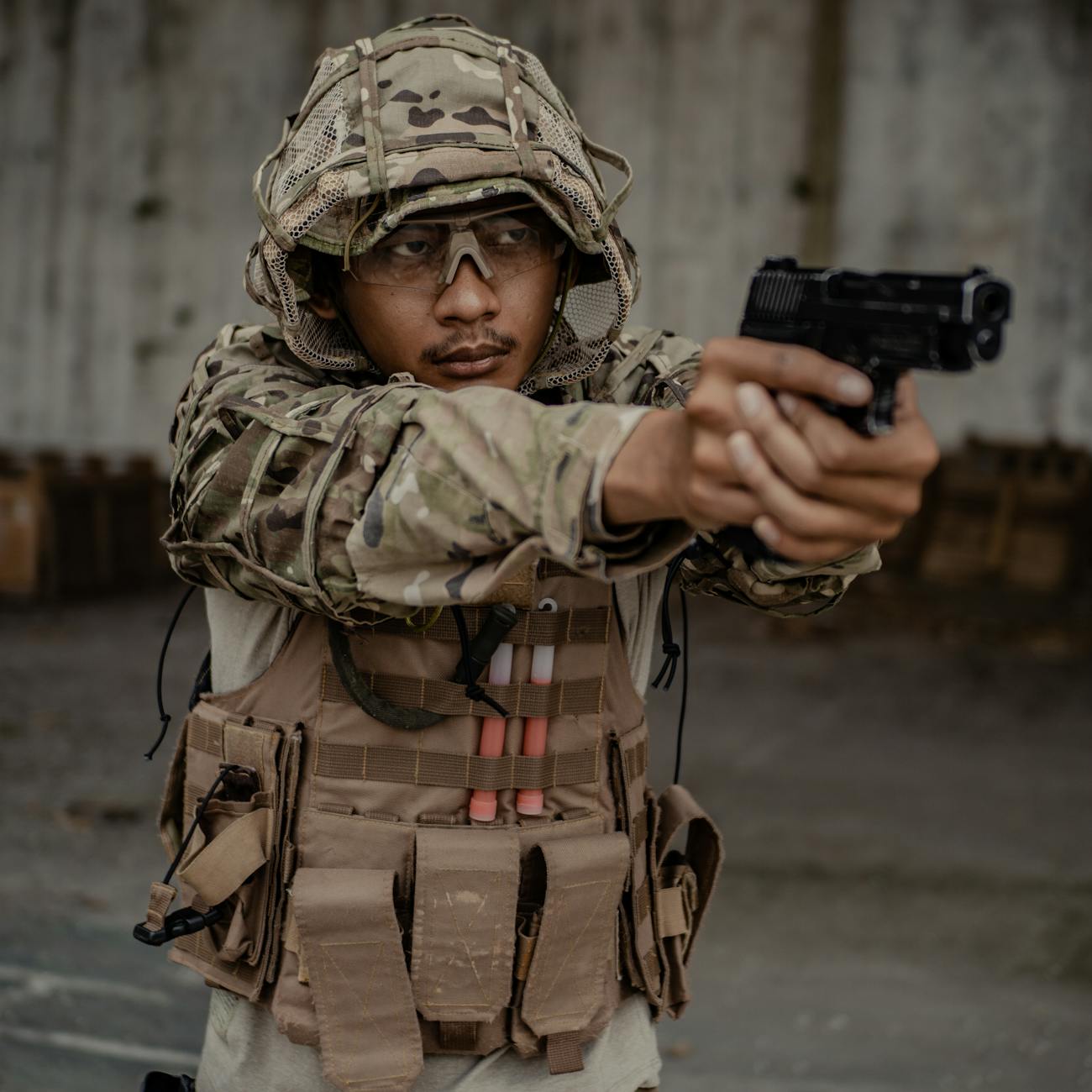
Special Operations Targeting is a critical component of special operations missions, which involve a small number of highly trained personnel carrying out sensitive activities, often in hostile environments. This process involves identifying, locating, and neutralizing high-value targets (HVTs) who pose a significant threat to national security. In this explanation, we will cover key terms and vocabulary related to special operations targeting in the context of the Masterclass Certificate in Special Operations Intelligence.
1. High-Value Target (HVT): A high-value target is an individual or group that poses a significant threat to national security or military objectives. HVTs can include terrorists, insurgents, drug traffickers, and other criminal networks. Identifying HVTs requires extensive intelligence gathering, analysis, and collaboration between various intelligence agencies and military units.
Example: Osama bin Laden was a high-value target who was responsible for planning and executing the 9/11 attacks on the United States.
Practical Application: Identifying HVTs is a critical component of special operations missions, as it allows military units to focus their resources on neutralizing the most significant threats.
Challenge: Identifying HVTs can be challenging due to the need to maintain secrecy and avoid tipping off the target. Additionally, HVTs often operate in complex and dynamic environments, making it difficult to track their movements and activities.
2. Target Package: A target package is a comprehensive dossier of information on a high-value target, including their biographical information, habits, routines, and vulnerabilities. A target package is developed through extensive intelligence gathering and analysis and is used to guide special operations missions.
Example: A target package for a drug kingpin might include information on their family, education, criminal history, financial assets, and known associates.
Practical Application: A target package is used to develop a detailed plan of action for neutralizing a high-value target, including the selection of appropriate forces, tactics, and equipment.
Challenge: Developing a comprehensive target package requires extensive resources, including personnel, technology, and intelligence assets. Additionally, maintaining the accuracy and relevance of a target package over time can be challenging due to the dynamic nature of the target's environment.
3. F3EA: F3EA is a targeting methodology used by special operations forces to identify, locate, and neutralize high-value targets. F3EA stands for Find, Fix, Finish, Exploit, and Analyze.
Example: The F3EA process might begin with the find phase, which involves identifying potential targets through intelligence gathering and analysis. Once a target is identified, the fix phase involves locating the target's position and tracking their movements. The finish phase involves neutralizing the target through capture or elimination. The exploit phase involves collecting any relevant intelligence from the target, such as documents, electronic devices, or biometric data. Finally, the analyze phase involves analyzing the collected intelligence to inform future operations.
Practical Application: F3EA is a systematic and iterative process that allows special operations forces to neutralize high-value targets while minimizing risk to their own personnel.
Challenge: The F3EA process requires extensive resources, including personnel, technology, and intelligence assets. Additionally, the process can be time-consuming, requiring patience and persistence to see through to completion.
4. Joint Prioritized Effects List (JPEL): A Joint Prioritized Effects List is a list of high-value targets that have been prioritized for neutralization by military forces. The JPEL is developed through a collaborative process between various intelligence agencies and military units and is updated regularly to reflect changing priorities.
Example: A JPEL might include targets such as terrorist leaders, insurgent commanders, and criminal networks.
Practical Application: The JPEL is used to guide special operations missions and ensure that resources are focused on the most significant threats.
Challenge: Developing and maintaining a JPEL requires extensive coordination and collaboration between various intelligence agencies and military units. Additionally, the prioritization of targets can be controversial, requiring careful consideration of legal, ethical, and political factors.
5. Signature Reduction: Signature reduction is the process of minimizing the visible or detectable presence of special operations forces in a target area. This can include using specialized equipment, such as suppressed weapons and stealth aircraft, as well as using tactics such as camouflage, concealment, and deception.
Example: Signature reduction might involve using a small team of special operations forces to infiltrate a target area quietly and covertly, using stealth aircraft and suppressed weapons to neutralize the target with minimal noise or visible presence.
Practical Application: Signature reduction is critical to the success of special operations missions, as it allows military
Key takeaways
- Special Operations Targeting is a critical component of special operations missions, which involve a small number of highly trained personnel carrying out sensitive activities, often in hostile environments.
- High-Value Target (HVT): A high-value target is an individual or group that poses a significant threat to national security or military objectives.
- Example: Osama bin Laden was a high-value target who was responsible for planning and executing the 9/11 attacks on the United States.
- Practical Application: Identifying HVTs is a critical component of special operations missions, as it allows military units to focus their resources on neutralizing the most significant threats.
- Additionally, HVTs often operate in complex and dynamic environments, making it difficult to track their movements and activities.
- Target Package: A target package is a comprehensive dossier of information on a high-value target, including their biographical information, habits, routines, and vulnerabilities.
- Example: A target package for a drug kingpin might include information on their family, education, criminal history, financial assets, and known associates.