
Treatment and Prevention of Equine Parasites
The study of equine parasites is a complex and fascinating field that requires a deep understanding of the various species of parasites that can infect horses, as well as the methods used to prevent and treat these infections. One of the mo…
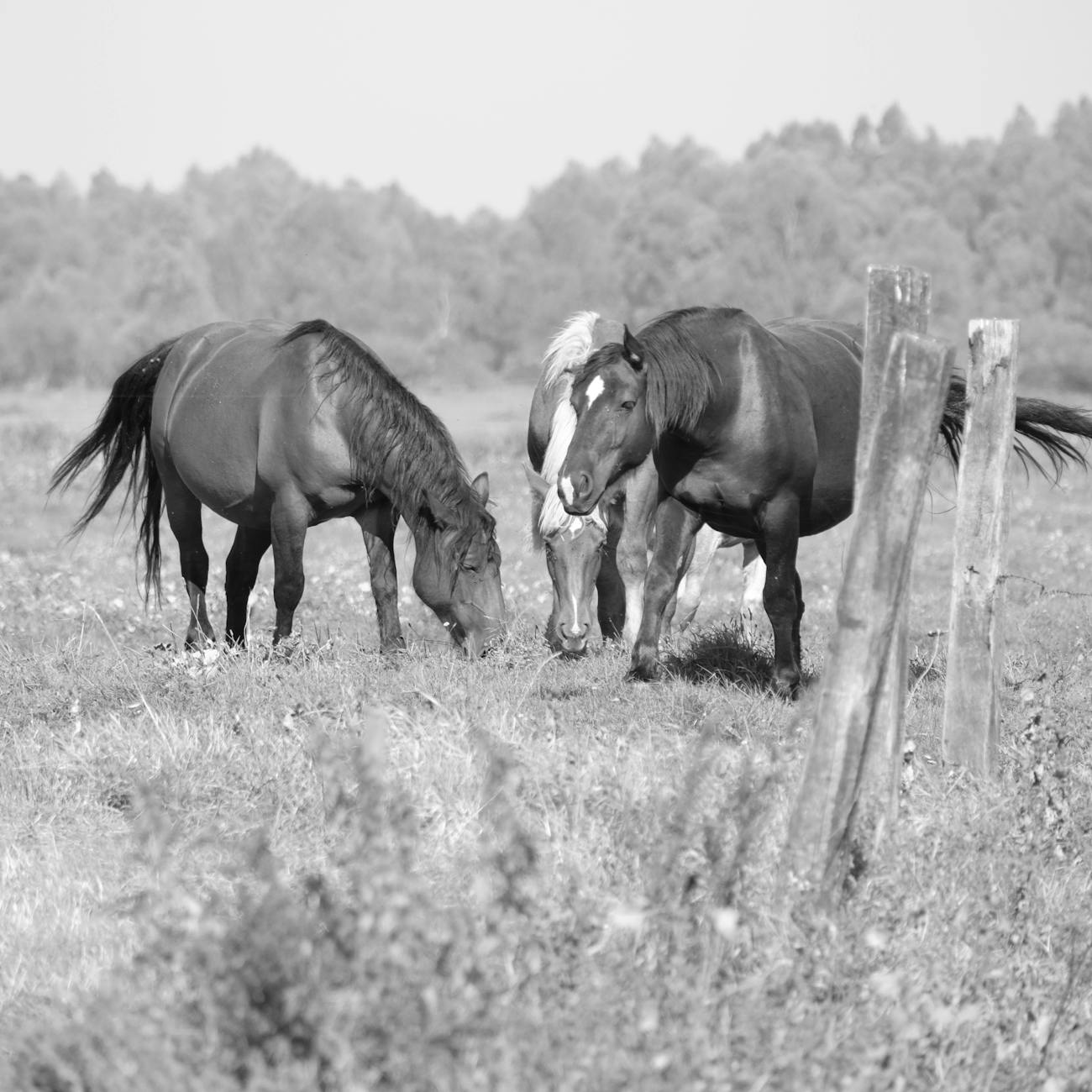
The study of equine parasites is a complex and fascinating field that requires a deep understanding of the various species of parasites that can infect horses, as well as the methods used to prevent and treat these infections. One of the most important concepts in equine parasitology is the idea of parasite life cycles, which refers to the different stages of development that a parasite undergoes as it grows and reproduces. For example, the strongyle parasite, which is one of the most common parasites found in horses, has a complex life cycle that involves several different stages, including the egg, larva, and adult stages.
Understanding the life cycles of different parasites is crucial for developing effective control strategies, as it allows horse owners and veterinarians to target the specific stages of the parasite's life cycle that are most vulnerable to treatment. For example, the use of anthelmintic medications, which are designed to kill parasites, is often most effective when used during the larval stage of the parasite's life cycle. However, the overuse or misuse of these medications can lead to the development of resistance, which can make it more difficult to treat parasite infections in the future.
In addition to understanding the life cycles of different parasites, it is also important to be aware of the various risk factors that can contribute to the development of parasite infections in horses. For example, horses that are pastured in areas with high levels of moisture and temperature are more likely to be infected with certain types of parasites, such as the strongyle parasite. Similarly, horses that are stressed or have weakened immune systems may be more susceptible to parasite infections.
The use of faecal egg count (FEC) testing is an important tool for monitoring the parasite burden in horses and determining the effectiveness of treatment strategies. This test involves collecting a sample of the horse's faeces and examining it for the presence of parasite eggs. The results of the test can be used to determine the level of infection and to identify the specific types of parasites that are present. For example, a high FEC may indicate a severe infection that requires aggressive treatment, while a low FEC may indicate a mild infection that can be managed with less intensive treatment.
Another important concept in equine parasitology is the idea of refugia, which refers to the proportion of the parasite population that is not exposed to treatment and is therefore able to survive and reproduce. The refugia population is important because it can serve as a source of reinfection for the horse, and can also contribute to the development of resistance to anthelmintic medications. For example, if a horse is treated with an anthelmintic medication that is effective against the strongyle parasite, but a portion of the parasite population is able to survive in the refugia, then this surviving population can serve as a source of reinfection for the horse.
The use of integrated parasite control strategies is an effective way to manage parasite infections in horses. These strategies involve combining multiple control methods, such as anthelmintic medications, pasture management, and biological control methods, in order to achieve a more comprehensive and sustainable approach to parasite control. For example, a horse owner may use anthelmintic medications to treat a parasite infection, while also implementing pasture management practices, such as rotational grazing, to reduce the parasite burden on the pasture.
The diagnosis of parasite infections in horses typically involves a combination of clinical signs, laboratory tests, and physical examinations. For example, a horse that is infected with the strongyle parasite may exhibit clinical signs such as weight loss, diarrhoea, and anaemia. The diagnosis can be confirmed through the use of laboratory tests, such as the FEC test, and physical examinations, such as rectal examinations and ultrasound examinations.
The treatment of parasite infections in horses depends on the specific type of parasite and the severity of the infection. For example, anthelmintic medications are often used to treat parasite infections, but the specific type of medication and the dosage will depend on the type of parasite and the severity of the infection. In some cases, supportive care, such as fluid therapy and nutritional support, may also be necessary to help the horse recover from the infection.
The use of alternative control methods, such as herbal remedies and homeopathic treatments, is becoming increasingly popular in the management of parasite infections in horses. These methods can be used in conjunction with conventional treatment strategies to provide a more comprehensive and sustainable approach to parasite control. For example, some herbal remedies, such as garlic and eucalyptus, have been shown to have anthelmintic properties and can be used to help control parasite infections.
The prevention of parasite infections in horses is an important aspect of equine parasitology. This can be achieved through a combination of good husbandry practices, such as regular faecal egg count testing, pasture management, and quarantine procedures. For example, horse owners can reduce the parasite burden on their pastures by implementing rotational grazing practices and removing faeces from the pasture on a regular basis.
The economic impact of parasite infections in horses can be significant, particularly in cases where the infection is severe or widespread. For example, a severe outbreak of strongyle infection can result in significant losses for horse owners, including the cost of treatment, the loss of productivity, and the potential for mortality. Therefore, it is essential to implement effective control strategies to prevent and manage parasite infections in horses.
The environmental impact of parasite infections in horses is also an important consideration. For example, the use of anthelmintic medications can have a negative impact on the environment, particularly if they are not used responsibly. Therefore, it is essential to use these medications in a way that minimizes their environmental impact, such as by using them only when necessary and in conjunction with other control methods.
The social impact of parasite infections in horses can also be significant, particularly in cases where the infection affects the welfare of the horse. For example, a severe outbreak of strongyle infection can result in significant distress for horse owners, particularly if they are not aware of the risks associated with parasite infections or do not have access to effective treatment options.
In terms of research, there are many ongoing studies focused on improving our understanding of parasite infections in horses and developing more effective control strategies. For example, researchers are currently exploring the use of new anthelmintic medications, such as those that target the neurotransmitters of parasites, as well as the use of biological control methods, such as the use of predatory nematodes to control parasite populations.
The use of genetic testing is also becoming increasingly important in the management of parasite infections in horses. For example, genetic testing can be used to identify genetic markers associated with resistance to anthelmintic medications, which can help horse owners and veterinarians to develop more effective treatment strategies. Additionally, genetic testing can be used to identify genetic markers associated with susceptibility to parasite infections, which can help horse owners and veterinarians to develop more effective prevention strategies.
The role of parasite infections in the development of other diseases in horses is also an area of ongoing research. For example, some parasites, such as the strongyle parasite, have been shown to play a role in the development of colic and other gastrointestinal diseases in horses. Therefore, it is essential to consider the potential impact of parasite infections on the overall health and welfare of horses.
In terms of education and awareness, it is essential to educate horse owners and veterinarians about the risks associated with parasite infections and the importance of implementing effective control strategies. This can be achieved through a variety of methods, including workshops, seminars, and online resources. Additionally, it is essential to raise awareness about the potential impact of parasite infections on the environment and the welfare of horses.
The development of new technologies and tools for the diagnosis and treatment of parasite infections in horses is also an area of ongoing research. For example, the development of new diagnostic tests, such as PCR tests, can help to improve the accuracy and speed of diagnosis. Additionally, the development of new treatment options, such as vaccines and biological control methods, can help to improve the effectiveness and sustainability of treatment strategies.
In terms of policy and regulation, it is essential to develop and implement policies and regulations that promote the responsible use of anthelmintic medications and other control methods. This can include the development of guidelines for the use of anthelmintic medications, as well as the implementation of regulations to prevent the mishandling and misuse of these medications.
The importance of collaboration and communication between horse owners, veterinarians, and researchers cannot be overstated. By working together, we can develop and implement more effective control strategies, improve our understanding of parasite infections, and promote the health and welfare of horses. For example, horse owners and veterinarians can work together to develop and implement integrated parasite control strategies, while researchers can provide valuable insights and information to inform these strategies.
The use of mathematical models to simulate the dynamics of parasite populations and the impact of different control strategies is also an area of ongoing research. For example, mathematical models can be used to simulate the spread of parasite infections and the impact of different control methods, such as vaccination and anthelmintic medication. This can help to inform the development of more effective control strategies and to predict the potential outcomes of different management practices.
The impact of climate change on parasite infections in horses is also an area of ongoing research. For example, climate change can alter the distribution and abundance of parasites, as well as the ecology of their hosts. This can have significant implications for the management of parasite infections in horses, and highlights the need for flexible and adaptive control strategies that can respond to changing environmental conditions.
The importance of monitoring and surveillance in the management of parasite infections in horses cannot be overstated. By regularly monitoring parasite populations and surveilling for outbreaks, horse owners and veterinarians can quickly identify and respond to parasite infections, reducing the risk of outbreaks and the impact on horse health and welfare. For example, regular FEC testing can help to identify parasite infections early, allowing for prompt treatment and reducing the risk of outbreaks.
The development of new diagnostic tests and treatment options for parasite infections in horses is an ongoing process. For example, researchers are currently exploring the use of new diagnostic tests, such as PCR tests, to improve the accuracy and speed of diagnosis. Additionally, researchers are exploring the use of new treatment options, such as vaccines and biological control methods, to improve the effectiveness and sustainability of treatment strategies.
The importance of education and training in the management of parasite infections in horses cannot be overstated. By educating horse owners and veterinarians about the risks associated with parasite infections and the importance of implementing effective control strategies, we can reduce the impact of parasite infections on horse health and welfare. For example, workshops and seminars can provide valuable information and insights on the management of parasite infections, while online resources can provide convenient access to information and guidance on parasite control.
The role of parasite infections in the development of other diseases in horses is a complex and multifaceted issue.
The use of mathematical models to simulate the dynamics of parasite populations and the impact of different control strategies is an area of ongoing research.
The impact of climate change on parasite infections in horses is an area of ongoing research.
Key takeaways
- For example, the strongyle parasite, which is one of the most common parasites found in horses, has a complex life cycle that involves several different stages, including the egg, larva, and adult stages.
- For example, the use of anthelmintic medications, which are designed to kill parasites, is often most effective when used during the larval stage of the parasite's life cycle.
- For example, horses that are pastured in areas with high levels of moisture and temperature are more likely to be infected with certain types of parasites, such as the strongyle parasite.
- For example, a high FEC may indicate a severe infection that requires aggressive treatment, while a low FEC may indicate a mild infection that can be managed with less intensive treatment.
- Another important concept in equine parasitology is the idea of refugia, which refers to the proportion of the parasite population that is not exposed to treatment and is therefore able to survive and reproduce.
- The use of integrated parasite control strategies is an effective way to manage parasite infections in horses.
- The diagnosis can be confirmed through the use of laboratory tests, such as the FEC test, and physical examinations, such as rectal examinations and ultrasound examinations.