
Impact of Equine Parasites on Horse Health
Equine parasites are a diverse group of organisms that inhabit the gastrointestinal tract, respiratory system, skin, and other tissues of horses. Understanding the terminology associated with these parasites is essential for accurate diagno…
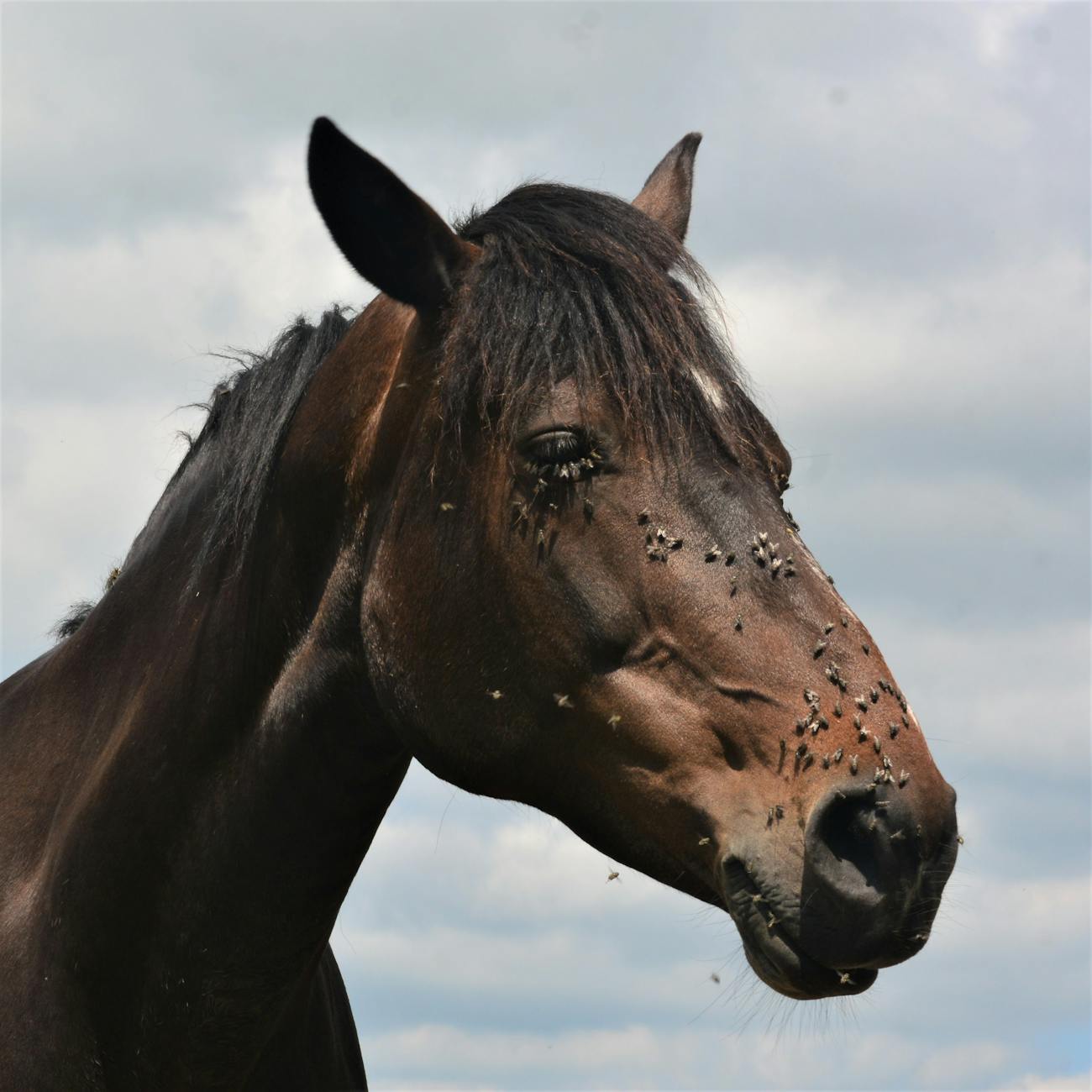
Equine parasites are a diverse group of organisms that inhabit the gastrointestinal tract, respiratory system, skin, and other tissues of horses. Understanding the terminology associated with these parasites is essential for accurate diagnosis, effective treatment, and sustainable control. The following glossary presents the most important terms used in the study of equine parasitology, with emphasis on how each concept relates to horse health, practical management, and the challenges faced by veterinarians and owners.
Helminths are multicellular worms that include two major classes relevant to horses: nematodes (roundworms) and cestodes (tapeworms). Nematodes are further divided into large strongyles, small strongyles, and ascarids. Each group has a distinct life cycle, pathogenic potential, and response to anthelmintic drugs. Recognizing the differences among these groups allows practitioners to select the most appropriate diagnostic tests and therapeutic agents.
Protozoa are single‑celled parasites such as Giardia duodenalis and Cryptosporidium spp. Although less common than helminths, protozoal infections can cause diarrhoea, weight loss, and immunosuppression, particularly in foals and immunocompromised adults. The term coccidia refers specifically to the intracellular protozoa of the genus Eimeria, which may produce severe enteritis in young horses.
Parasite burden describes the number of parasites present in a host at a given time. It is usually expressed as a fecal egg count (FEC) per gram of feces, and it provides a quantitative estimate of infection intensity. A high parasite burden often correlates with clinical signs such as colic, poor body condition, and anemia, but the relationship is not always linear because some horses tolerate heavy infections without overt disease.
Fecal egg count (FEC) is a laboratory technique that quantifies the number of parasite eggs in a fresh fecal sample. The most common method is the modified McMaster technique, which yields a result in eggs per gram (EPG). An FEC of 0–50 EPG is generally considered low, 51–200 EPG moderate, and >200 EPG high for most strongyle infections. However, species‑specific thresholds are needed for ascarids, where even low counts can be clinically significant in foals.
Prepatent period is the interval between infection and the appearance of eggs in the feces. For Strongylus vulgaris, a large strongyle, the prepatent period is approximately 6–7 months, whereas for small strongyles (cyathostomins) it ranges from 2 to 3 months. Knowledge of the prepatent period is crucial for timing deworming protocols, because treatment administered before the parasites reach the adult stage may not eliminate immature stages that cause disease.
Larval cyathostominosis is a severe, often fatal condition caused by the mass emergence of encysted cyathostomin larvae from the intestinal mucosa. The larvae become dormant in the wall of the large intestine during the summer and early autumn; when they resume development in the spring, they can cause severe inflammation, protein loss, and diarrhea. Clinical signs include weight loss, colic, and a sudden drop in serum protein. Diagnosis is challenging because fecal egg counts may be low or absent, necessitating a high index of suspicion and sometimes endoscopic or necropsy confirmation.
Strongylus vulgaris is historically the most pathogenic large strongyle. Its larvae migrate through the arterial walls of the intestinal mesentery, leading to arteritis, thrombosis, and intestinal infarction. Horses with severe S. Vulgaris infection may present with intermittent colic, weight loss, and reduced performance. Because the parasite resides in the arterial wall for months, it can cause chronic damage that persists even after the adult worms are eliminated.
Ascarids (Parascaris equorum) are large, cylindrical nematodes that primarily affect foals and young horses. Adult ascarids can grow up to 30 cm in length and cause gastric impaction, intestinal obstruction, and respiratory signs due to larval migration through the lungs. The term larval migratory phase refers to the period when larvae travel through the liver, lungs, and trachea before returning to the gastrointestinal tract. Clinical signs during this phase include coughing, nasal discharge, and mild fever.
Anthelmintic resistance (AR) describes the heritable ability of a parasite population to survive a dose of anthelmintic that would normally be effective. Resistance has been documented for all major drug classes used in horses: Benzimidazoles, pyrantel salts, macrocyclic lactones, and, more recently, for some newer agents such as moxidectin. The presence of AR limits treatment options and necessitates the implementation of integrated parasite management strategies.
Refugia is the proportion of the parasite population that remains unexposed to anthelmintics at any given time. Maintaining a sufficient refugia is a key principle for slowing the development of resistance because it preserves susceptible genotypes that dilute resistant alleles in the overall population. Refugia can be increased by leaving a subset of the herd untreated, by timing deworming to avoid treating horses with low FECs, or by using selective treatment protocols.
Targeted selective treatment (TST) is a management approach that bases deworming decisions on individual horse data rather than treating the entire herd on a fixed schedule. The most common TST criterion is an FEC threshold; for example, only horses with an FEC >200 EPG may be treated. Other criteria include clinical signs, age, and recent anthelmintic exposure. TST reduces drug use, preserves refugia, and can be more cost‑effective for owners.
Strategic deworming refers to a predetermined schedule of anthelmintic administration, often based on seasonal parasite biology. A typical strategic program might involve a benzimidazole treatment in late autumn to reduce overwintering larvae, followed by a macrocyclic lactone in spring to target emerging cyathostomin larvae. While strategic deworming is simple to implement, it can accelerate AR if not combined with FEC monitoring and refugia management.
Dosing calculation is a practical skill that ensures each horse receives the correct amount of anthelmintic based on body weight. Underdosing is a major driver of resistance because sub‑lethal drug concentrations allow parasites to survive and reproduce. Accurate dosing requires weighing the horse, using the correct conversion factor for the drug formulation, and accounting for the horse’s body condition. For example, a 500 kg horse receiving ivermectin at 0.2 Mg/kg requires 100 mg of the active ingredient.
Pasture management encompasses strategies that reduce environmental contamination with parasite eggs and larvae. Key practices include regular removal of manure, rotational grazing, and avoiding overstocking. Pasture rotation allows larvae to die off naturally; most strongyle larvae lose infectivity after 8–12 weeks in dry, sunny conditions. Manure removal reduces the number of eggs deposited on the ground, thereby decreasing the infection pressure on grazing horses.
Manure management is a specific component of pasture management that deals with the handling, composting, or removal of horse waste. Composting manure under thermophilic conditions (temperature >55 °C for at least three days) can inactivate most parasite eggs. If composting is not feasible, regular removal of manure from high‑traffic areas and the use of physical barriers such as strip grazing can limit exposure.
Biosecurity in the context of parasitology refers to measures that prevent the introduction and spread of resistant parasites or new parasite species. This includes quarantine protocols for newly acquired horses, testing with FECs before integration into the herd, and using dedicated equipment for different groups of animals. Biosecurity also involves educating staff and owners about the risks of sharing anthelmintic products and the importance of proper disposal of unused medication.
Environmental contamination is the presence of parasite eggs, larvae, or cysts in the horse’s surroundings. Contamination levels are directly linked to the number of infected horses, the frequency of defecation on pasture, and climatic conditions. Warm, moist environments favor larval development, while cold, dry conditions limit survival. Understanding the dynamics of environmental contamination helps in designing effective control programs.
Clinical signs associated with equine parasitism vary depending on the parasite species, infection intensity, and host factors such as age and immune status. Common signs include intermittent colic, weight loss, poor coat condition, anemia, reduced performance, and respiratory distress. In foals, ascarid infection may cause pot‑bellied appearance and a “puffy” abdomen due to gas accumulation from intestinal blockage.
Colic caused by parasites can be classified as obstructive, inflammatory, or spasm‑related. Large strongyle arteritis leads to intestinal ischemia and acute severe colic, while cyathostomin larval emergence often produces a more chronic, low‑grade abdominal pain associated with diarrhea and protein loss. Recognizing the parasitic origin of colic is essential for timely treatment and for avoiding unnecessary surgical interventions.
Anemia is a frequent consequence of heavy strongyle infection because adult worms feed on blood in the intestinal mucosa. Laboratory findings typically show a decreased packed cell volume (PCV) and reduced hemoglobin concentration. In severe cases, anemia can predispose the horse to secondary infections and impair exercise capacity.
Protein loss occurs when cyathostomin larvae damage the intestinal wall, leading to leakage of plasma proteins into the gut lumen. This “protein‑losing enteropathy” manifests as hypoalbuminemia, edema, and poor wound healing. The condition is often diagnosed by measuring serum albumin and total protein, and it may require both anthelmintic therapy and nutritional support.
Immune response to parasites involves both innate and adaptive mechanisms. Horses develop partial immunity to cyathostomins after repeated exposure, which reduces the severity of clinical disease but does not eliminate infection. Immunoglobulin E (IgE) levels rise in response to strongyle antigens, and eosinophilia may be observed in blood tests. However, the immune response can also contribute to pathology, as inflammation caused by larval migration can damage host tissues.
Diagnostic methods beyond fecal egg counts include larval culture, serology, PCR, and post‑mortem examination. Larval culture allows differentiation between large and small strongyle species by growing larvae to the third stage (L3) and identifying morphological characteristics. Serological tests, such as ELISA for S. Vulgaris antigen, can detect exposure before eggs appear in the feces, providing an early warning system for herd health.
Larval culture is performed by incubating a fecal sample under controlled temperature and humidity for 7–10 days, then recovering L3 larvae using a Baermann funnel. The resulting larvae are examined under a microscope; large strongyles have a distinctive dorsal ridge, while cyathostomins display a smaller, smoother body. Accurate identification enables targeted treatment, especially when resistance patterns differ between species.
Polymerase chain reaction (PCR) assays have become valuable for detecting low‑level infections and for identifying resistant alleles. PCR can amplify DNA from a single parasite egg, allowing detection of benzimidazole resistance mutations (e.G., Β‑tubulin gene SNPs). While PCR is highly sensitive, its cost and technical requirements limit routine use on most farms.
Post‑mortem lesions provide definitive evidence of parasite‑induced pathology. Typical findings for S. Vulgaris include thickened, fibrotic mesenteric arteries with mural thrombosis, while cyathostomin larval encystment appears as raised nodules in the colonic mucosa. Ascarid infection may be evident as large, coiled worms in the stomach or intestines, often accompanied by impaction or perforation.
Therapeutic agents used in equine parasitology fall into several classes. Benzimidazoles (e.G., Fenbendazole) act on microtubule formation, pyrantel salts affect neuromuscular transmission, macrocyclic lactones (e.G., Ivermectin, moxidectin) target glutamate‑gated chloride channels, and newer compounds such as avermectins provide broader spectrum activity. Each class has a specific efficacy profile against different parasite stages; for instance, macrocyclic lactones are highly effective against migrating larvae of S. Vulgaris, while benzimidazoles are preferred for encysted cyathostomin larvae.
Dosage regimens must be selected based on the target parasite and the drug’s pharmacokinetics. A single high dose of moxidectin (0.4 Mg/kg) can provide protection against both adult strongyles and larval cyathostomin stages for up to 12 weeks, whereas fenbendazole (7.5 Mg/kg for 5 days) is required to achieve adequate efficacy against encysted larvae. Repeated dosing may be necessary in cases of severe infection, but the risk of accelerating resistance must be weighed.
Resistance monitoring is an ongoing process that involves periodic FEC reduction tests (FECRT). In a FECRT, fecal samples are collected before treatment and again 10–14 days after anthelmintic administration. The percentage reduction in EPG is calculated; a reduction <90 % for benzimidazoles or <95 % for macrocyclic lactones indicates suspected resistance. Results guide the selection of alternative drug classes and inform adjustments to the deworming protocol.
Challenges in parasite control are multifactorial. Climate change is extending the transmission season for many parasites, increasing the window for larval development and infection. Owner compliance can be low, especially when horses appear healthy, leading to missed treatments and higher parasite burdens. Economic constraints may limit access to diagnostic testing, prompting reliance on blanket deworming, which further fuels resistance. Additionally, the lack of a unified regulatory framework for anthelmintic use in many regions results in inconsistent dosing practices and the circulation of substandard products.
Practical application example 1: A 12‑year‑old Warmblood mare presents with intermittent mild colic over the past two months. A fecal egg count reveals 250 EPG of strongyle eggs. Given the moderate burden and the presence of a history of colic, the veterinarian recommends a targeted selective treatment using a macrocyclic lactone at 0.2 Mg/kg. The mare’s weight is measured at 540 kg, and the calculated dose is 108 mg of ivermectin. After treatment, a follow‑up FEC performed 14 days later shows a reduction to 30 EPG, indicating a 88 % reduction, which suggests possible early benzimidazole resistance in the herd. Consequently, the herd management plan is adjusted to incorporate a strategic deworming with fenbendazole later in the autumn, combined with pasture rotation and manure removal to increase refugia.
Practical application example 2: A 6‑month‑old foal is brought to the clinic with a pot‑bellied appearance, mild respiratory distress, and a fecal egg count of 400 EPG for ascarid eggs. The veterinarian prescribes pyrantel pamoate at 6.6 Mg/kg, calculated for a 150 kg foal, resulting in a 990 mg dose. Because foals are highly susceptible to ascarid migration, the foal is also placed on a supportive diet rich in protein and electrolytes to counteract potential intestinal blockage. The owner is instructed to repeat the treatment in two weeks to address any newly hatched larvae, and to perform a follow‑up FEC at 30 days to confirm eradication.
Practical application example 3: On a large breeding farm, a herd health audit reveals that 40 % of the adult horses have FECs >200 EPG, while the remaining 60 % have counts <50 EPG. The farm adopts a targeted selective treatment protocol, treating only the high‑shedding horses with a macrocyclic lactone at the recommended dose. The low‑shedding horses are left untreated to maintain refugia. Over the next year, the overall average FEC drops to 80 EPG, and a FECRT performed after the next deworming shows a 95 % reduction, indicating that resistance has not yet emerged. The farm also implements a pasture rest period of 12 weeks during the winter, removes manure weekly, and introduces a strip‑grazing system that limits exposure to contaminated patches.
Practical application example 4: A veterinarian working in a humid subtropical region observes an increase in cyathostomin‑related colic during the spring. To mitigate this, the clinic advises clients to schedule a strategic deworming with fenbendazole (5‑day regimen) in late autumn, before the larvae become encysted. This timing reduces the number of encysted larvae that would emerge in spring, thereby decreasing the incidence of larval cyathostominosis. Clients are also educated on the importance of maintaining dry, well‑drained pastures, as moisture accelerates larval development.
Key term: Refugia management emphasizes that not all horses should be treated simultaneously. By leaving a proportion of the herd untreated—particularly those with low FECs—susceptible parasites remain in the environment, diluting resistant genes. Refugia can be quantified by calculating the percentage of the total parasite population that is not exposed to anthelmintics. For example, if a herd of 20 horses has 5 individuals with FEC < 50 EPG, treating only the remaining 15 horses yields a refugia of 25 % of the total parasite pool.
Key term: Anthelmintic class rotation is a strategy designed to delay resistance by alternating drug classes between deworming events. A typical rotation might involve using a benzimidazole in the fall, a macrocyclic lactone in the spring, and a pyrantel‑based product in the summer. Rotating classes reduces the selection pressure on any single drug and can preserve efficacy for longer periods, provided that resistance testing confirms susceptibility before each change.
Key term: Dose‑splitting refers to dividing a single large dose into multiple smaller administrations to achieve a prolonged exposure of the parasite to the drug. This approach can be useful for targeting encysted cyathostomin larvae, which may be less susceptible to a single high dose. However, dose‑splitting must be performed under veterinary supervision, as improper intervals can lead to suboptimal efficacy and increased resistance risk.
Key term: Integrated parasite management (IPM) combines chemical control, environmental hygiene, pasture management, and animal health monitoring into a comprehensive program. IPM requires regular FEC monitoring, strategic deworming based on epidemiological data, and ongoing education of owners and staff. By addressing multiple facets of parasite transmission, IPM offers a sustainable solution that reduces reliance on anthelmintics and mitigates resistance development.
Key term: Seasonal transmission dynamics describe how parasite life cycles are influenced by temperature, humidity, and daylight length. In temperate regions, strongyle larvae develop most rapidly when soil temperatures exceed 10 °C and humidity is above 60 %. Consequently, the highest infection pressure typically occurs in late spring and early summer. Understanding these dynamics enables veterinarians to time deworming and pasture rest periods for maximum impact.
Key term: Diagnostic sensitivity is the ability of a test to correctly identify infected animals. FECs have limited sensitivity for low‑level infections, especially for parasites that shed eggs intermittently. Larval culture increases sensitivity for species identification, while PCR provides the highest sensitivity but at greater cost. Selecting the appropriate diagnostic tool depends on the clinical context, resource availability, and the specific parasite of interest.
Key term: Clinical threshold is the FEC value at which treatment is recommended based on the risk of disease. Thresholds vary by region and parasite; a common threshold for small strongyles is 200 EPG, while for ascarids in foals, any detectable count may warrant treatment due to the high pathogenic potential. Establishing a clear clinical threshold helps standardize treatment decisions and reduces unnecessary drug use.
Key term: Resistance allele frequency denotes the proportion of parasites in a population that carry a genetic mutation conferring resistance. Molecular assays can quantify allele frequencies for benzimidazole resistance (e.G., F200Y mutation) or macrocyclic lactone resistance (e.G., P-glycoprotein gene expression). Monitoring allele frequencies over time provides early warning of emerging resistance before clinical failure becomes evident.
Key term: Herd health audit involves a systematic review of the entire equine population’s parasite status, management practices, and treatment history. Audits typically include gathering FEC data from a representative sample of horses, evaluating pasture conditions, and assessing compliance with dosing protocols. The results guide the development of a customized parasite control plan that aligns with the farm’s resources and goals.
Key term: Biosecurity quarantine is the protocol for isolating newly acquired horses for a minimum period (often 2–4 weeks) before introducing them to the resident herd. During quarantine, fecal samples are collected for FEC and possibly larval culture, and anthelmintic treatment is administered based on the results. Quarantine reduces the risk of importing resistant parasites or novel species into an established herd.
Key term: Nutritional support is an adjunctive measure for horses suffering from parasite‑induced protein loss or anemia. High‑quality forage supplemented with protein‑rich concentrates, electrolytes, and, when necessary, iron or vitamin B12, can aid recovery. In cases of severe protein‑losing enteropathy, clinicians may also recommend a short course of oral plasma or albumin infusions to stabilize the animal.
Key term: Owner education is a cornerstone of successful parasite control. Educational efforts should focus on the importance of regular FEC monitoring, accurate dosing, the dangers of over‑reliance on blanket deworming, and the role of pasture management. Providing owners with simple tools—such as weight‑estimation charts and dosing calculators—enhances compliance and reduces the likelihood of under‑dosing.
Key term: Drug withdrawal period is the time required after anthelmintic administration before a horse can be entered into the food chain or used for breeding. Withdrawal periods vary between drug classes and formulations; for example, ivermectin typically requires a 7‑day withdrawal for meat horses, while fenbendazole may require 2 days. Adhering to withdrawal guidelines prevents drug residues in meat and milk and complies with regulatory standards.
Key term: Multi‑drug resistance occurs when a parasite population exhibits resistance to two or more anthelmintic classes. Multi‑drug resistance is particularly concerning because it limits therapeutic options and may necessitate the use of off‑label or experimental drugs. Early detection through FECRT and molecular testing is essential to implement corrective measures such as changing the deworming strategy, increasing refugia, and intensifying pasture hygiene.
Key term: Environmental persistence describes the ability of parasite eggs or larvae to survive outside the host. Strongyle eggs can remain viable for several months in moist, shaded conditions, while ascarid eggs are exceptionally hardy, persisting for years in dry soil. Understanding persistence helps in planning pasture rest periods and determining the frequency of manure removal.
Key term: Genetic drift in parasite populations refers to random changes in allele frequencies that can influence resistance development, especially in small, isolated herds. While selection pressure from anthelmintics is the primary driver of resistance, genetic drift can either accelerate or slow the spread of resistant genes, depending on the population dynamics. Managing herd size and ensuring adequate gene flow by mixing horses periodically can mitigate unwanted drift.
Key term: Diagnostic stewardship is the practice of using diagnostic tests judiciously to guide treatment decisions. In equine parasitology, stewardship involves selecting the right test (FEC, culture, PCR) at the appropriate time, interpreting results accurately, and integrating them into a comprehensive control program. Effective stewardship reduces unnecessary drug use and promotes sustainable parasite management.
Key term: Parasite‑induced immunomodulation refers to the capacity of certain parasites to alter the host’s immune system, potentially affecting responses to vaccines, other infections, or allergic conditions. For example, chronic strongyle infection may skew the immune response toward a Th2 phenotype, dampening cellular immunity. Awareness of immunomodulation informs vaccination timing and may guide decisions to reduce parasite loads before immunization.
Key term: Subclinical infection describes a scenario where a horse harbors parasites but shows no overt clinical signs. Subclinical infections are common and can still impact performance, nutrient absorption, and overall health. Regular FEC monitoring is crucial to detect subclinical infections and prevent them from progressing to clinical disease.
Key term: Zoonotic potential is limited in equine parasites, but certain species, such as Giardia and Cryptosporidium, can infect humans, particularly handlers with compromised immunity. Proper hygiene, including hand washing after handling manure and using protective gloves during deworming, reduces the risk of zoonotic transmission.
Key term: Parasite control cost‑effectiveness evaluates the economic impact of various control strategies. Cost‑effectiveness analyses compare the expenses of routine deworming, targeted selective treatment, and pasture management against the benefits of reduced disease incidence, improved performance, and avoided veterinary costs. Such analyses aid owners in allocating resources efficiently.
Key term: Climate‑driven risk assessment incorporates weather data, such as temperature and precipitation trends, to predict periods of high parasite transmission. Decision‑support tools can generate risk maps that help farms schedule deworming and pasture rotation at optimal times, thereby reducing infection pressure while minimizing drug use.
Key term: Resistance management plan is a formal document outlining specific actions to preserve anthelmintic efficacy. A typical plan includes regular FECRT, a schedule for drug class rotation, refugia targets, a protocol for quarantine and testing of new arrivals, and a system for recording dosing histories. Implementing a resistance management plan is essential for long‑term herd health.
Key term: Equine parasitology curriculum for a Certificate in Equine Parasitology typically covers life cycles, diagnostic techniques, drug pharmacology, resistance mechanisms, and integrated management. Mastery of the vocabulary presented here is foundational for students to communicate effectively with peers, veterinarians, and owners, and to apply evidence‑based practices in real‑world settings.
Key takeaways
- The following glossary presents the most important terms used in the study of equine parasitology, with emphasis on how each concept relates to horse health, practical management, and the challenges faced by veterinarians and owners.
- Helminths are multicellular worms that include two major classes relevant to horses: nematodes (roundworms) and cestodes (tapeworms).
- Although less common than helminths, protozoal infections can cause diarrhoea, weight loss, and immunosuppression, particularly in foals and immunocompromised adults.
- A high parasite burden often correlates with clinical signs such as colic, poor body condition, and anemia, but the relationship is not always linear because some horses tolerate heavy infections without overt disease.
- Fecal egg count (FEC) is a laboratory technique that quantifies the number of parasite eggs in a fresh fecal sample.
- Knowledge of the prepatent period is crucial for timing deworming protocols, because treatment administered before the parasites reach the adult stage may not eliminate immature stages that cause disease.
- The larvae become dormant in the wall of the large intestine during the summer and early autumn; when they resume development in the spring, they can cause severe inflammation, protein loss, and diarrhea.