
Monitoring and Management of Equine Parasite Infections
Equine parasitology is a specialized field that focuses on the identification, monitoring, and control of parasites that affect horses. Understanding the terminology used in this discipline is essential for effective parasite management and…
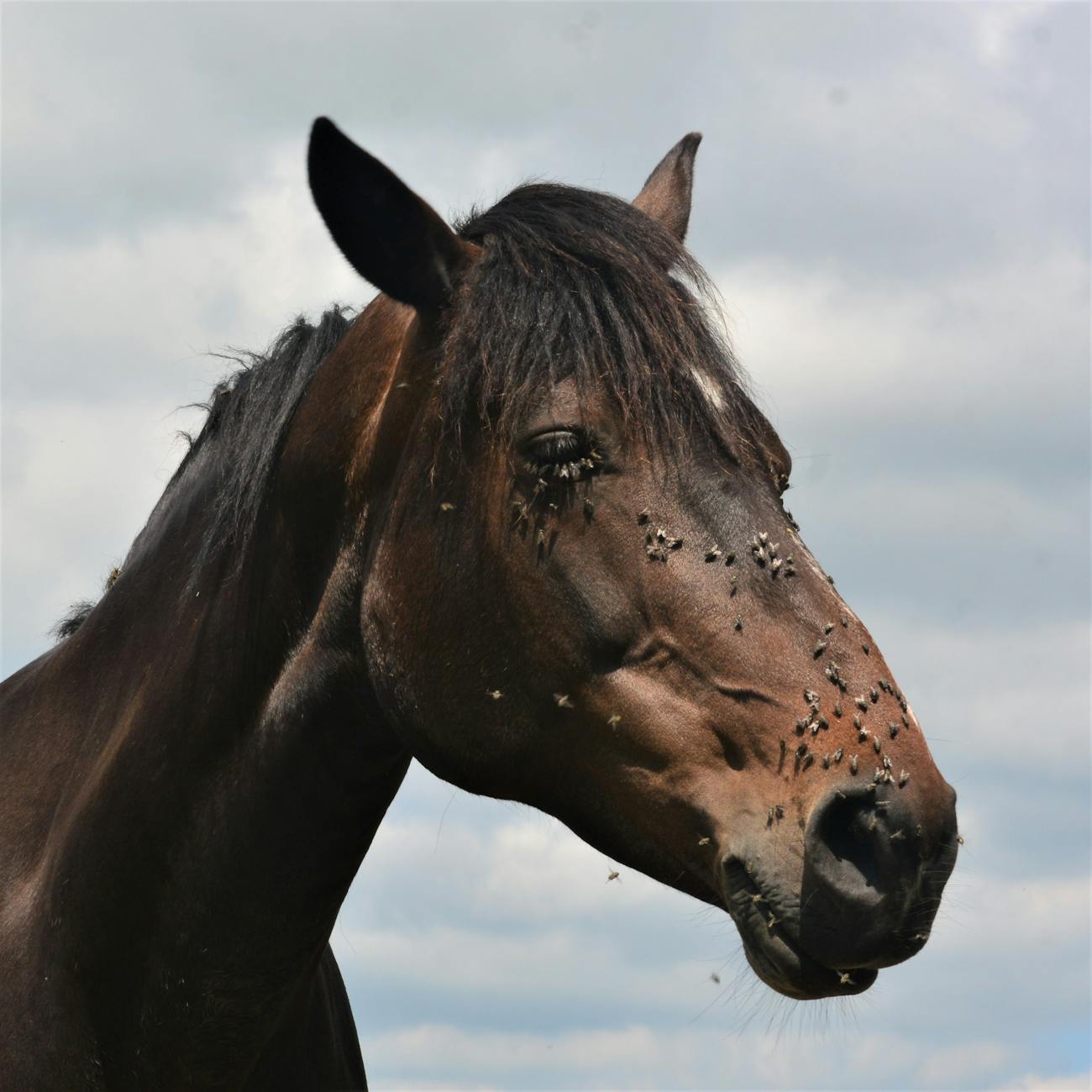
Equine parasitology is a specialized field that focuses on the identification, monitoring, and control of parasites that affect horses. Understanding the terminology used in this discipline is essential for effective parasite management and for communicating clearly with veterinarians, farm managers, and fellow students. The following exposition presents the most important terms and concepts that form the foundation of monitoring and management strategies for equine parasite infections. Each definition is accompanied by practical examples, applications, and discussion of common challenges encountered in real‑world settings.
Parasite – Any organism that lives at the expense of a host, obtaining nutrients and shelter while potentially causing disease. In horses the most common parasites are helminths (worms) and protozoa. The distinction between these groups is crucial because it determines the diagnostic methods and control measures that will be employed.
Helminth – A macroscopic worm belonging to the phylum Nematoda (roundworms), Platyhelminthes (flatworms), or Acanthocephala (thorny‑headed worms). The three principal helminth groups affecting horses are strongyles (both small and large), tapeworms, and bots. Knowing the helminth class helps select the appropriate anthelmintic class, as some drugs are more effective against certain groups.
Protozoa – Single‑cellular eukaryotic parasites, such as Cryptosporidium spp. And Giardia spp., That can cause diarrhoea and systemic illness in foals. Although protozoal infections are less common than helminth infections, they require different diagnostic techniques (e.G., Acid‑fast staining) and may respond to distinct therapeutic agents.
Strongyle – A broad term for nematodes belonging to the superfamily Strongyloidea. Strongyles are divided into two major subgroups: Large strongyles (also called “bloodworms”) and small strongyles (often called “cyathostomins”). The two groups differ in life‑cycle location, pathology, and drug susceptibility, making accurate identification essential for targeted treatment.
Large strongyle – Species such as Strongylus vulgaris, S. Equinus, and S. Edentatus. These parasites inhabit the cranial mesenteric artery and can cause life‑threatening intestinal infarction. Monitoring for large strongyle infection typically involves fecal egg counts (FECs) and, when indicated, ultrasound examination of the mesenteric arteries.
Small strongyle – Also known as cyathostomins, this group includes more than 40 species, with Cyathostomum catinatum and Cyathostomum insigne being among the most prevalent. Small strongyles reside in the large intestine and can cause a condition called “larval cyathostominosis” when massive larval emergence occurs. Because cyathostomin eggs are indistinguishable from large strongyle eggs, additional diagnostic steps such as larval culture are required for species‑level identification.
Tapeworm – Flatworms of the class Cestoda, most notably Anoplocephala perfoliata in horses. Tapeworms attach to the ileocecal junction and may cause intermittent colic. Diagnosis relies on detecting characteristic eggs in feces; however, egg shedding is intermittent, so multiple samples may be needed.
Bot – A larval stage of the fly Gasterophilus intestinalis that attaches to the oral cavity and stomach. Bots can cause ulceration and secondary infection. The presence of bot larvae is usually identified by visual inspection of the mouth or by finding characteristic “mouth‑hooks” in feces.
Ascarid – A large roundworm, Parascaris equorum, primarily affecting foals and young horses. Ascarids can reach lengths of up to 30 cm and cause intestinal blockage, respiratory signs, and poor growth. The prepatent period for Parascaris is approximately 90 days, so early detection through fecal examination is vital.
Prepatent period – The interval between infection and the appearance of parasite eggs or larvae in the host’s feces. This period varies among species: For Parascaris it is about 90 days, for small strongyles it is 2–3 months, and for large strongyles it can be 6–9 months. Understanding prepatent periods guides the timing of monitoring programs and informs decisions about when to initiate treatment.
Patent infection – An infection in which adult parasites are present and are actively shedding eggs or larvae, making detection possible via fecal analysis. Most management decisions are based on the detection of patent infections, because they indicate ongoing transmission risk.
Fecal egg count – A quantitative measurement of the number of parasite eggs per gram of feces (EPG). The most common technique is the modified McMaster flotation, which provides an estimate of worm burden and helps determine the need for treatment. An FEC of 200 EPG or higher is often used as a threshold for initiating deworming in adult horses, whereas lower thresholds may be applied to foals or high‑risk populations.
FEC – Abbreviation for fecal egg count. It is a cornerstone of monitoring programs because it is inexpensive, repeatable, and provides a direct indicator of the intensity of infection. However, FECs have limitations: They underestimate low‑level infections, cannot differentiate between species, and are influenced by daily egg output variability.
Fecal egg count reduction test – Commonly abbreviated as FECRT, this test evaluates the efficacy of an anthelmintic by comparing FECs before treatment and 10–14 days after treatment. A reduction of less than 95 % for strongyles or less than 90 % for bots may indicate emerging resistance. FECRT is considered the gold standard for field‑based resistance detection.
Anthelmintic – Any drug that kills or expels parasitic worms. Anthelmintics are classified into several families, each with a distinct mode of action: Benzimidazoles (e.G., Fenbendazole), tetrahydropyrimidines (e.G., Pyrantel), and macrocyclic lactones (e.G., Ivermectin, moxidectin). Selecting the appropriate anthelmintic requires knowledge of the target parasite, local resistance patterns, and the horse’s age and health status.
Resistance – The heritable ability of parasites to survive doses of an anthelmintic that would normally be lethal. Anthelmintic resistance is a growing problem worldwide and is driven by factors such as under‑dosing, frequent blanket treatments, and lack of refugia. Resistance can be detected through FECRT, molecular assays, or in‑vitro larval development tests.
Refugia – The proportion of the parasite population that is not exposed to anthelmintic treatment, either because the host has not been treated or because the parasites are in a developmental stage that is not susceptible. Maintaining a refugia of at least 10‑20 % of the overall parasite population is considered essential for slowing the development of resistance, as it preserves susceptible genes within the population.
Strategic deworming – A schedule that administers anthelmintics at predetermined intervals (e.G., Every 8 weeks) regardless of FEC results. This approach was historically popular but is now discouraged in many regions because it promotes resistance by eliminating refugia.
Targeted selective treatment – Also known as TST, this method treats only those horses that exceed a predefined FEC threshold or display clinical signs. TST preserves refugia, reduces drug use, and can be more cost‑effective. Successful implementation requires regular monitoring, clear threshold definitions, and reliable record‑keeping.
Worm burden – The total number of parasites carried by a host at a given time. Worm burden is inferred from FEC but can be underestimated if egg shedding is low or intermittent. High worm burdens, particularly of large strongyles, are associated with serious complications such as arterial thrombosis.
Larval culture – A laboratory technique in which fecal samples are incubated under controlled temperature and humidity to allow eggs to hatch and develop to the infective L3 stage. The resulting larvae are then identified morphologically, enabling differentiation between small and large strongyle species. Larval culture is essential for accurate FECRT interpretation because resistance may vary between strongyle groups.
Coproculture – Synonymous with larval culture; the term emphasizes that the starting material is feces. Coproculture results guide treatment decisions, especially when FECs are high but the species composition is unknown.
Larval identification – The process of distinguishing larvae based on morphological characteristics such as the shape of the tail, the presence of a sheath, and the pattern of the intestinal tract. Expertise in larval identification is valuable for confirming the presence of resistant species and for educational purposes.
PCR – Polymerase chain reaction, a molecular technique that amplifies parasite DNA from fecal samples. PCR can detect low‑level infections, differentiate species, and identify resistance‑associated mutations (e.G., Β‑tubulin gene single‑nucleotide polymorphisms). Although highly sensitive, PCR is more expensive than FEC and requires specialized equipment.
ELISA – Enzyme‑linked immunosorbent assay, a serological test that detects antibodies or antigens related to specific parasites. ELISA is useful for diagnosing infections such as Strongylus vulgaris before eggs appear in feces, providing a window for early intervention.
Serology – The broader field encompassing any test that measures immune responses (antibodies) or antigens. In equine parasitology, serology is primarily applied to large strongyle screening and to confirm exposure to Strongylus vulgaris in high‑risk herds.
Immunodiagnosis – The use of immune‑based tests (e.G., ELISA, immunoblot) to detect parasites. Immunodiagnostic tools complement fecal examinations, especially when egg shedding is intermittent or when parasites are located in tissues rather than the gastrointestinal tract.
Pasture management – Strategies that modify the environment to reduce parasite transmission. Key components include rotational grazing, removal of feces, avoiding overstocking, and maintaining pasture height above 15 cm. Effective pasture management reduces the reliance on chemical control and helps preserve refugia.
Rotational grazing – Moving horses between pastures on a schedule that allows previously grazed areas to rest for a period (often 30–90 days) long enough for parasite larvae to die off. The success of rotation depends on climate, pasture type, and the initial level of contamination.
Deworming schedule – The calendar of anthelmintic administration for a herd. Modern schedules are increasingly based on monitoring data rather than fixed intervals, with emphasis on TST and strategic use of long‑acting macrocyclic lactones in high‑risk groups.
Drug class – The categorization of anthelmintics based on chemical structure and mode of action. The three main drug classes for horses are benzimidazoles, tetrahydropyrimidines, and macrocyclic lactones. Understanding drug class is crucial for rotating products to mitigate resistance.
Benzimidazoles – A class that includes fenbendazole, oxibendazole, and albendazole. These drugs interfere with microtubule formation in parasites. Benzimidazoles are generally effective against small strongyles but resistance is widespread in many regions.
Tetrahydropyrimidines – Represented by pyrantel pamoate, this class works by causing spastic paralysis of nematodes. Pyrantel is effective against adult small strongyles and ascarids but less so against encysted cyathostomin larvae.
Macrocyclic lactones – Includes ivermectin, moxidectin, and doramectin. These agents bind to glutamate‑gated chloride channels, causing paralysis and death of the parasite. Macrocyclic lactones have a broad spectrum and long residual activity, but resistance is emerging, especially in cyathostomins.
Ivermectin – The most widely used macrocyclic lactone in horses. It provides effective control of large and small strongyles for up to 8 weeks. However, reduced efficacy has been reported in certain cyathostomin populations, prompting the need for FECRT confirmation.
Moxidectin – A macrocyclic lactone with a longer persistent activity (up to 12 weeks) and a slightly different binding profile, which may delay resistance development. Moxidectin is often employed as a “rescue” drug in herds where ivermectin efficacy is compromised.
Resistance mechanisms – Genetic changes that confer survival advantage under drug pressure. For benzimidazoles, the primary mechanism involves point mutations in the β‑tubulin gene (e.G., F200Y). For macrocyclic lactones, resistance is more complex and may involve P‑glycoprotein overexpression and alterations in glutamate‑gated chloride channels.
Dosage – The amount of drug administered per kilogram of body weight. Underdosing is a major driver of resistance; therefore, accurate weight estimation (via weight tape, girth measurement, or scale) is essential. Overdosing can increase the risk of toxicity, especially with macrocyclic lactones.
Bioavailability – The proportion of the administered drug that reaches systemic circulation. Factors influencing bioavailability include the formulation (e.G., Oral paste versus injectable), feed intake, and gastrointestinal motility. Low bioavailability may result in sub‑therapeutic plasma concentrations and promote resistance.
Pharmacokinetics – The study of drug absorption, distribution, metabolism, and excretion. Knowledge of pharmacokinetics aids in timing treatments relative to the parasite’s life cycle. For example, the long half‑life of moxidectin allows a single dose to protect against new infections for several weeks.
Pharmacodynamics – The relationship between drug concentration at the site of action and the resulting parasite kill rate. Understanding pharmacodynamics helps in interpreting FECRT results and in designing optimal dosing regimens.
Therapeutic index – The ratio between the dose that produces toxicity and the dose that provides the desired therapeutic effect. Macrocyclic lactones have a relatively high therapeutic index, but individual sensitivity varies, especially in foals and very old horses.
Drug efficacy – The proportion of parasites eliminated after treatment. Efficacy is measured in the field using FECRT and in the laboratory using larval development assays. Consistently high efficacy (>95 %) is required to maintain confidence in a drug’s utility.
Parasite control program – A systematic plan that combines monitoring, strategic treatment, pasture management, and education to reduce parasite burden while preserving drug effectiveness. Successful programs are tailored to the specific herd, climate, and management practices.
Integrated parasite management – Also abbreviated as IPM, this approach blends chemical, biological, and environmental methods. IPM may include the use of nematophagous fungi to reduce larval numbers, grazing management to interrupt transmission, and selective treatment to minimize drug pressure.
Environmental contamination – The presence of parasite eggs, larvae, or adult stages in the surrounding environment (pasture, stalls, water). Reducing contamination is a cornerstone of IPM; this can be achieved through regular removal of feces, manure composting, and limiting access to heavily contaminated areas.
Egg survival – The duration that parasite eggs remain viable in the environment. Egg survival is heavily influenced by temperature, humidity, and UV exposure. For strongyle eggs, optimal development occurs at temperatures between 10 °C and 25 °C with moderate moisture; extreme heat or dessication can reduce viability.
Larval development – The progression from egg to L1, L2, and finally the infective L3 stage. The rate of development is temperature‑dependent; at 20 °C, strongyle eggs typically reach L3 in 7–10 days, whereas at 10 °C the process can take 3–4 weeks. Understanding larval development helps to schedule grazing rotations and predict infection risk.
Temperature and humidity effects – High humidity and moderate temperatures accelerate larval development, while dry, cold conditions retard it. In regions with seasonal climates, the risk of infection peaks during late spring and early summer, when conditions favor rapid larval maturation.
Overwintering – The ability of certain parasite stages to survive the winter months. Some small strongyle eggs and early L1 larvae can persist through cold periods, especially when protected by snow cover. Overwintering influences the timing of spring deworming and pasture management.
Climate impact – Climate change is altering the geographic distribution of parasites, extending the transmission season in many temperate zones. Monitoring programs must adapt to these shifts by increasing sampling frequency and adjusting treatment windows.
Host immunity – The natural defenses that horses develop against parasites. Immunity is age‑related: Foals are highly susceptible to ascarids and large strongyles, while adult horses develop partial immunity that reduces worm burden but does not eliminate infection. Immunity influences FEC patterns, with older horses often maintaining low but persistent egg counts.
Age‑related susceptibility – Young horses (< 1 year) are most vulnerable to ascarids and large strongyles, whereas mature horses (> 5 years) typically have lower FECs for large strongyles but may harbor large cyathostomin populations. Understanding susceptibility guides the allocation of resources for monitoring and treatment.
Foal – A horse less than one year of age. Foals are at high risk for Parascaris equorum infection, which can cause intestinal blockage and respiratory signs. Routine FECs beginning at 3 months of age are recommended, along with strategic deworming using pyrantel or benzimidazoles, depending on local resistance patterns.
Weanling – A horse between 6 months and 2 years of age. Weanlings often retain high FECs for small strongyles and may also harbor ascarids. Monitoring at 6‑month intervals helps detect rising burdens before clinical disease manifests.
Adult – A horse older than 2 years. Adults typically have lower large strongyle egg counts but may harbor significant cyathostomin populations that can cause larval cyathostominosis during periods of stress or immune compromise.
Geriatric horse – An older horse (often > 20 years) with reduced immune function. Geriatric horses may experience a resurgence of parasite burden, leading to weight loss, poor coat condition, and secondary infections. Careful monitoring and judicious treatment are essential to avoid drug toxicity and resistance.
Clinical signs – Observable manifestations of parasite infection. Common signs include weight loss, poor hair coat, intermittent colic, diarrhea, respiratory distress (especially with ascarids), and anemia. However, many horses are subclinical carriers, reinforcing the importance of regular monitoring.
Colic – Abdominal pain that can be caused by large strongyle migration, tapeworm attachment, or massive cyathostomin larval emergence. Differentiating colic etiologies requires a combination of history, physical examination, and, when appropriate, ultrasonography or endoscopy.
Weight loss – A gradual reduction in body condition score that may indicate chronic parasite loss of nutrients. Monitoring body condition scores quarterly provides an indirect clue to parasite burden, especially when combined with FEC data.
Poor coat – Dull, rough, or patchy hair that can be a sign of protein loss due to heavy parasite loads. Regular grooming assessments can help detect early coat changes.
Anemia – Reduced red blood cell count, often associated with heavy Strongylus vulgaris infection or severe cyathostomin infestations. A complete blood count (CBC) can reveal anemia and also provide information on eosinophil levels.
Serum protein – The concentration of proteins in the blood, including albumin and globulins. In chronic strongyle infections, albumin may decrease while globulin levels increase, leading to a characteristic “hyperglobulinemia” pattern.
Albumin – The main protein responsible for maintaining oncotic pressure. Low albumin can indicate protein loss through the gut due to parasite damage.
Hyperglobulinemia – Elevated globulin levels, often reflecting chronic antigenic stimulation from parasites. This finding supports the presence of an ongoing infection, even when FECs are low.
Eosinophilia – An increase in eosinophil count, which can accompany parasitic infections, especially in the early stages of ascarid or bot infestation. Eosinophilia is not specific but can be useful as a supportive diagnostic clue.
Diagnostic sampling – The collection of feces, blood, or tissue for laboratory analysis. Proper sampling technique (e.G., Collecting fresh feces from the rectum, using sterile containers) is critical for accurate results.
Rectal palpation – A physical examination technique used to assess the intestinal tract and mesenteric arteries. Palpation can detect thickened arterial walls indicative of Strongylus vulgaris infection.
Ultrasonography – Imaging used to evaluate the mesenteric arteries for thrombosis, as well as to detect intestinal wall thickening associated with cyathostomin larval emergence. Portable ultrasound units are increasingly accessible for field use.
Endoscopy – Visual examination of the stomach and small intestine using a flexible scope. Endoscopy can identify tapeworm attachment sites, bot larvae, and ulcerations caused by large strongyle migration.
Larval migration assay – An in‑vitro test that measures the ability of larvae to migrate through a porous membrane, providing an indication of drug susceptibility. This assay is less common in field settings but valuable for research.
Molecular markers – Specific DNA sequences that indicate resistance. For benzimidazoles, the F200Y, F167Y, and E198A mutations in the β‑tubulin gene are widely studied. Detecting these markers by PCR can inform treatment choices before resistance becomes clinically evident.
Beta‑tubulin gene – The target of benzimidazole drugs; mutations in this gene reduce drug binding and confer resistance. Monitoring the frequency of these mutations in a herd provides early warning of resistance development.
Allele frequency – The proportion of a particular gene variant within a parasite population. High allele frequencies of resistance‑associated mutations suggest that resistant parasites are becoming dominant.
Management challenges – The practical obstacles that hinder effective parasite control. Common challenges include poor compliance with monitoring protocols, limited access to diagnostic laboratories, cost constraints, and lack of awareness among horse owners.
Compliance – The degree to which owners follow recommended monitoring and treatment schedules. Low compliance reduces the effectiveness of TST programs and accelerates resistance. Strategies to improve compliance include education, simplified record‑keeping, and providing clear benefits (e.G., Reduced drug costs).
Cost – Financial considerations play a major role in decision‑making. While FECs are relatively inexpensive, repeated testing, molecular diagnostics, and strategic deworming can increase expenses. Cost‑benefit analyses help justify investments in monitoring by demonstrating long‑term savings through reduced drug use and improved horse health.
Labor – The amount of human effort required for sample collection, pasture management, and record maintenance. Efficient workflows, such as batching fecal samples and using mobile apps for data entry, can reduce labor demands.
Education – Ongoing training for owners, stable staff, and veterinary professionals. Educational programs that explain the concepts of resistance, refugia, and TST improve adoption of best practices and ultimately enhance herd health.
Parasite control thresholds – Pre‑defined FEC values that trigger treatment. Thresholds vary by region and by horse category; a common guideline is 200 EPG for adult horses, 500 EPG for foals, and 100 EPG for high‑risk pastured horses. Adjusting thresholds based on local resistance data is recommended.
Sample timing – The optimal period for collecting feces for FEC. Samples are best taken in the morning before feeding, when egg shedding is most consistent. For horses on a deworming schedule, sampling should occur 2–4 weeks after treatment to allow any surviving parasites to repopulate and produce eggs.
Sample handling – Proper storage and transport of fecal samples to preserve egg integrity. Samples should be kept cool (4‑10 °C) and processed within 24 hours. Adding a preservative (e.G., 10 % Formalin) can extend storage time but may affect flotation quality.
Data interpretation – Analyzing FEC results in the context of herd history, season, and management practices. A single high FEC may indicate a temporary surge, whereas consistently high counts across multiple samplings suggest a persistent problem requiring intervention.
Record‑keeping – Maintaining detailed logs of each horse’s FECs, treatment dates, drug used, dosage, and observed clinical signs. Digital spreadsheets or specialized parasite‑management software facilitate trend analysis and early detection of resistance.
Risk assessment – Evaluating the probability of infection based on factors such as pasture contamination level, horse density, and weather conditions. High‑risk horses (e.G., Those on heavily contaminated pasture) may be dewormed more frequently than low‑risk individuals.
Strategic use of long‑acting macrocyclic lactones – Applying ivermectin or moxidectin at 12‑week intervals in high‑risk horses can provide a “protective window” that reduces the need for more frequent treatments. However, this strategy should be combined with regular FECs to monitor for resistance.
Combination therapy – Using two anthelmintics from different drug classes simultaneously. Combination therapy can improve efficacy against mixed infections and may delay resistance, but it should be employed judiciously to avoid unnecessary drug exposure.
Drug rotation – Alternating between drug classes from one treatment to the next. Rotation aims to reduce selection pressure on any single class. Successful rotation requires knowledge of which drug was used previously and the interval since the last administration.
Refugia preservation techniques – Practices that maintain a proportion of the parasite population unexposed to drugs. Examples include treating only a subset of the herd, leaving a small group untreated, or using lower‑dose “dose‑and‑release” formulations that allow some parasites to survive.
Pasture rest – Allowing a pasture to lie fallow for a period long enough to kill off infective larvae (typically 90 days under favorable conditions). Pasture rest is a key component of rotational grazing schemes and can dramatically lower infection pressure.
Manure management – Regular removal of feces from pastures, stables, and feeding areas. Manure can be composted at temperatures above 55 °C for several days to destroy eggs and larvae, rendering it safe for use as fertilizer.
Biological control – Use of natural enemies such as nematophagous fungi (e.G., Paecilomyces lilacinus) that prey on parasite eggs or larvae in the environment. While still experimental, some studies have shown reductions in larval numbers when fungal spores are applied to pasture.
Vaccination – Research is ongoing to develop vaccines against equine parasites, particularly against Strongylus vulgaris. Though not yet commercially available, understanding the concept of immunisation helps prepare students for future advances in parasite control.
Environmental monitoring – Measuring egg and larval densities on pastures using soil or grass sampling. This data complements FECs by providing a broader picture of contamination levels and can guide grazing decisions.
Seasonal deworming – Adjusting treatment frequency according to seasonal risk. In temperate climates, a higher frequency is often recommended in late spring and early summer when larvae develop rapidly, while winter months may allow reduced treatment intensity.
Stress‑related flare‑ups – Situations such as transport, changes in diet, or illness can trigger massive cyathostomin larval emergence, leading to acute colic. Recognizing stress as a precipitating factor aids in timing prophylactic treatments.
Clinical management of cyathostomin larval emergence – When massive larval emergence occurs, anti‑inflammatory drugs (e.G., Flunixin meglumine) and supportive fluid therapy are essential. Early detection through rising FECs or clinical signs can improve outcomes.
Diagnostic limitations – No single test provides a complete picture. FECs may miss low‑level infections, coproculture is time‑consuming, and molecular assays are costly. A combined approach, using FECs for routine screening and targeted molecular testing for resistance, provides the most reliable information.
Interpretation of FECRT results – Calculating the percentage reduction involves the formula: ((Pre‑treatment mean EPG – post‑treatment mean EPG) / pre‑treatment mean EPG) × 100. Confidence intervals should be computed (often using the bootstrap method) to assess statistical significance. A reduction below the recommended threshold, coupled with a high confidence interval, signals probable resistance.
Statistical considerations – Because FEC data are often over‑dispersed (few horses carry most of the parasites), non‑parametric tests such as the Wilcoxon signed‑rank test are preferred for comparing pre‑ and post‑treatment counts. Understanding these statistical nuances prevents misinterpretation of data.
Sample size recommendations – For a reliable FECRT, at least 10‑15 horses should be sampled, with equal representation of high‑ and low‑shedding individuals. Larger sample sizes increase the power to detect resistance, especially when the resistance level is moderate.
Quality control in the laboratory – Laboratories should run control samples with known egg counts to verify the accuracy of flotation methods. Regular calibration of counting chambers and consistent use of flotation solutions (e.G., Saturated salt or sugar) are essential for reproducibility.
Interpretation of serology for Strongylus vulgaris – Positive serology indicates exposure, but not necessarily active infection. Serial testing can track changes over time, and a rising antibody titer may warrant a targeted deworming with a macrocyclic lactone.
Use of diagnostic imaging in parasite‑related colic – When a horse presents with acute colic, ultrasound can identify thickened arterial walls suggestive of S. Vulgaris. If imaging is unavailable, a high FEC for strongyles combined with clinical signs may support empirical treatment.
Impact of nutrition on parasite susceptibility – Horses on low‑quality forage are more prone to heavy infections because inadequate nutrition compromises immune function. Providing a balanced diet with adequate protein and micronutrients (e.G., Selenium, copper) can enhance natural resistance.
Interactions with other medications – Certain drugs, such as ivermectin, may interact with other veterinary medicines (e.G., Certain anti‑inflammatory agents) or with feed additives that alter gut motility. Awareness of these interactions prevents inadvertent reduction of drug efficacy.
Regulatory considerations – In many jurisdictions, withdrawal times for anthelmintics must be observed before a horse can be entered in competition or used for breeding. Knowledge of local regulations ensures compliance and avoids penalties.
Environmental stewardship – Excessive use of anthelmintics can lead to environmental contamination, affecting non‑target organisms such as dung beetles and soil microbes. Sustainable parasite management balances animal health with ecological responsibility.
Future directions in monitoring – Emerging technologies include portable PCR devices for on‑farm detection of resistance genes, smartphone‑based image analysis for egg counting, and AI‑driven predictive models that integrate weather data, pasture contamination, and herd history. Familiarity with these innovations prepares students for the evolving landscape of equine parasitology.
Practical example – implementing a TST program – A mid‑size stable with 30 horses decides to shift from blanket deworming to TST. The steps are as follows:
1. Baseline FECs are collected from all horses in early spring. 2. Horses with counts above 200 EPG are treated with a benzimidazole at the correct dose. 3. All results are entered into a digital log, noting the drug used and any adverse reactions. 4. Pasture is divided into three paddocks, and horses are rotated every 30 days, allowing each paddock to rest for at least 60 days. 5. Monthly FECs are performed on the previously high‑shedding horses to monitor rebound. 6. After six months, a FECRT is conducted on a subset of horses that have consistently high FECs to assess drug efficacy. 7. If resistance is detected, the program switches to a macrocyclic lactone, and the FECRT is repeated after the next treatment cycle.
Through this systematic approach, the stable reduces overall anthelmintic use by 40 % while maintaining low parasite burdens and preserving drug effectiveness.
Practical example – managing a tapeworm outbreak – A group of 12 mares grazing a low‑lying paddock near a water source develop intermittent colic during summer. FECs reveal low strongyle egg counts but a specific tapeworm ELISA returns positive. Management actions include:
- Immediate treatment of the affected mares with praziquantel (effective against tapeworms). - Removal of feces from the paddock and temporary relocation of the herd. - Installation of a fence to prevent horses from grazing in the high‑risk riparian zone. - Re‑testing two weeks after treatment to confirm clearance. - Long‑term monitoring with quarterly ELISA to ensure no re‑infection.
This case illustrates the importance of species‑specific diagnostics and targeted interventions.
Key takeaways
- Understanding the terminology used in this discipline is essential for effective parasite management and for communicating clearly with veterinarians, farm managers, and fellow students.
- The distinction between these groups is crucial because it determines the diagnostic methods and control measures that will be employed.
- Helminth – A macroscopic worm belonging to the phylum Nematoda (roundworms), Platyhelminthes (flatworms), or Acanthocephala (thorny‑headed worms).
- Although protozoal infections are less common than helminth infections, they require different diagnostic techniques (e.
- The two groups differ in life‑cycle location, pathology, and drug susceptibility, making accurate identification essential for targeted treatment.
- Monitoring for large strongyle infection typically involves fecal egg counts (FECs) and, when indicated, ultrasound examination of the mesenteric arteries.
- Small strongyle – Also known as cyathostomins, this group includes more than 40 species, with Cyathostomum catinatum and Cyathostomum insigne being among the most prevalent.