
Risk Factors for Equine Parasite Infection
Risk factors for equine parasite infection are numerous and varied, and understanding these factors is crucial in the prevention and management of parasite infections in horses. One of the most significant risk factors is the age of the hor…
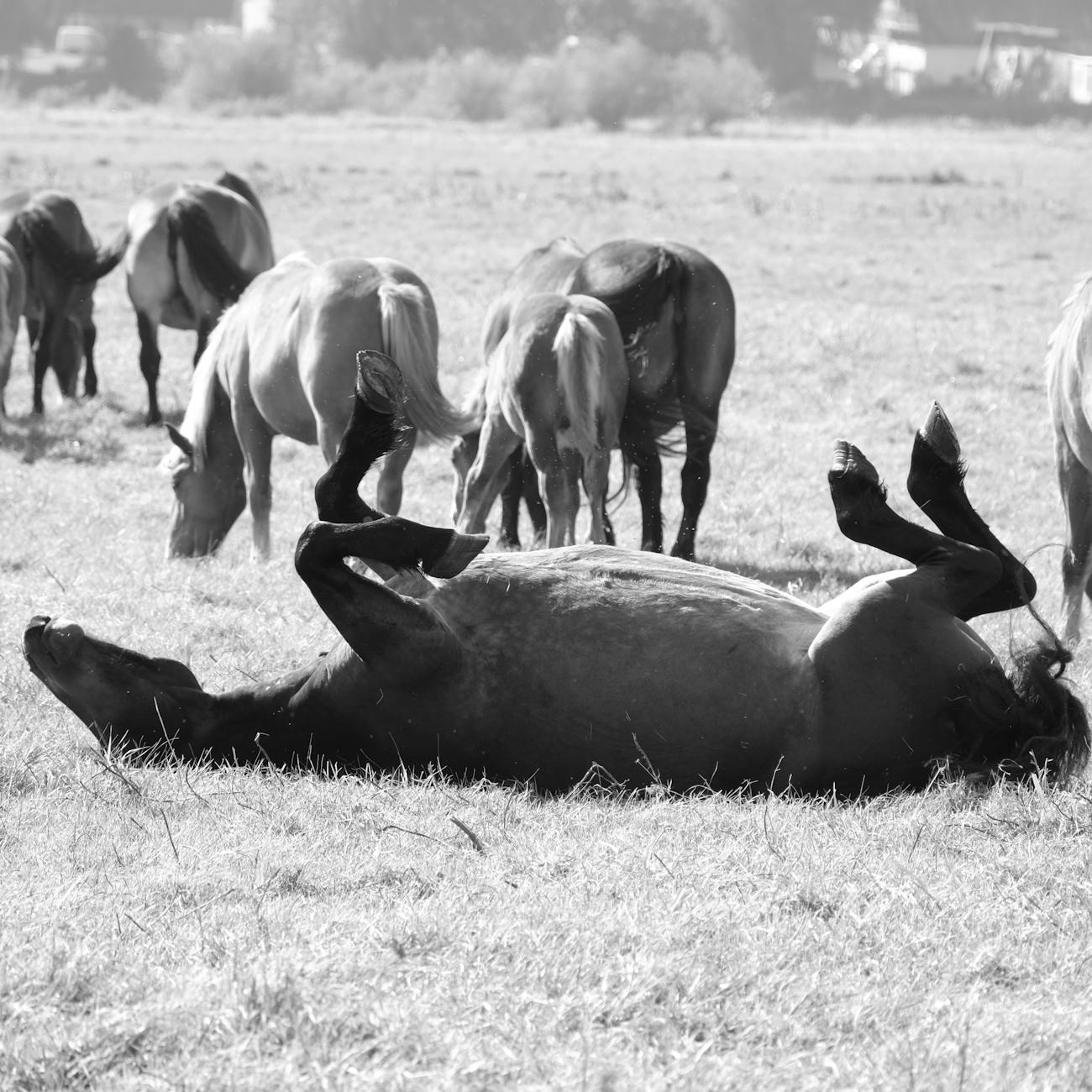
Risk factors for equine parasite infection are numerous and varied, and understanding these factors is crucial in the prevention and management of parasite infections in horses. One of the most significant risk factors is the age of the horse, with young horses being more susceptible to parasite infections due to their immature immune systems. Horses under the age of two are particularly at risk, as their immune systems are still developing and they may not have yet developed adequate immunity to parasites.
Another important risk factor is the environment in which the horse is kept. Horses that are grazed on pastures that are contaminated with parasite larvae are at a higher risk of infection, as are horses that are housed in dirty or poorly ventilated living conditions. The climate and geography of the area in which the horse is kept can also play a role, with horses in warm and humid climates being at a higher risk of parasite infection due to the increased survival and reproduction of parasites in these conditions.
The management of the horse can also contribute to the risk of parasite infection. Horses that are not regularly dewormed, or that are not provided with adequate nutrition and healthcare, are at a higher risk of infection. Overcrowding and poor sanitation can also increase the risk of parasite infection, as can the use of contaminated feed and water.
In addition to these factors, the immune status of the horse can also play a role in the risk of parasite infection. Horses that have a compromised immune system, due to illness or malnutrition, are more susceptible to parasite infections. The breed and genetics of the horse can also influence the risk of parasite infection, with some breeds being more susceptible to certain types of parasites.
The type of parasite is also an important risk factor, with some parasites being more pathogenic than others. For example, Strongylus parasites are highly pathogenic and can cause significant damage to the horse's digestive system, while Ascarids are less pathogenic but can still cause significant problems in young horses. The life cycle of the parasite can also influence the risk of infection, with parasites that have a complex life cycle being more difficult to eliminate.
The diagnosis of parasite infections is also an important consideration, as accurate diagnosis is essential for effective treatment and management. The use of fecal egg counts and other diagnostic tests can help to identify the presence and type of parasite infection, and guide treatment decisions. However, the interpretation of these tests can be complex, and requires a good understanding of the epidemiology of parasite infections.
The treatment of parasite infections is also a critical consideration, with the choice of anthelmintic and treatment protocol depending on the type and severity of the infection. The use of combination therapies, which involve the use of multiple anthelmintics, can be effective in treating parasite infections, but requires careful planning and monitoring to avoid resistance. The monitoring of treatment efficacy is also essential, to ensure that the treatment is effective and to make any necessary adjustments to the treatment protocol.
In addition to treatment, the prevention of parasite infections is also crucial, and involves a range of strategies including pasture management, quarantine, and biosecurity measures. The use of fecal egg counts and other diagnostic tests can help to identify the presence and type of parasite infection, and guide prevention and control measures. The education of horse owners and caregivers is also essential, to ensure that they are aware of the risks of parasite infection and the importance of prevention and control measures.
The economic impact of parasite infections should not be underestimated, as these infections can have significant economic consequences for horse owners and the equine industry as a whole. The cost of treatment and management of parasite infections can be high, and the loss of productivity and performance can also have significant economic implications. The impact of parasite infections on the welfare of horses is also a critical consideration, as these infections can cause significant suffering and distress.
The control of parasite infections requires a comprehensive and integrated approach, involving parasite control measures, healthcare and management practices, and education and awareness programs. The use of integrated pest management strategies, which involve the use of a range of control measures, can be effective in reducing the risk of parasite infection. The monitoring of parasite populations and the evaluation of control measures are also essential, to ensure that the control measures are effective and to make any necessary adjustments.
The future of equine parasitology is likely to involve the development of new and innovative diagnostic and treatment strategies, as well as the use of genomics and proteomics to better understand the biology of parasites and the host-parasite interaction. The use of mathematical modeling and simulation techniques can also help to predict the spread of parasite infections and the impact of control measures. The collaboration between researchers, veterinarians, and horse owners is essential, to ensure that the latest research and developments are translated into practical and effective control measures.
The application of equine parasitology in clinical practice is critical, as it can help to improve the health and welfare of horses. The use of evidence-based medicine and best practice guidelines can help to ensure that horse owners and veterinarians are using the most effective and up-to-date control measures. The education of horse owners and caregivers is also essential, to ensure that they are aware of the risks of parasite infection and the importance of prevention and control measures.
The challenges facing equine parasitology are numerous, and include the development of resistance to anthelmintics, the emergence of new and exotic parasites, and the impact of climate change on parasite populations. The complexity of the host-parasite interaction and the difficulty of diagnosis and treatment are also significant challenges. However, by working together and using a comprehensive and integrated approach, it is possible to control and manage parasite infections, and to improve the health and welfare of horses.
The importance of equine parasitology cannot be overstated, as it has a significant impact on the health and welfare of horses, as well as the economy and industry. The study of equine parasitology is essential, as it can help to improve our understanding of the biology of parasites and the host-parasite interaction, and can inform the development of effective! control measures. The application of equine parasitology in clinical practice is critical, as it can help to improve the health and welfare of horses, and to reduce the economic impact of parasite infections.
In terms of prevention, there are several strategies that can be used to reduce the risk of parasite infection. These include pasture management, quarantine, and biosecurity measures, as well as the use of fecal egg counts and other diagnostic tests to monitor parasite populations.
In terms of future directions, there are several areas that require further research and development. These include the development of new and innovative diagnostic and treatment strategies, as well as the use of genomics and proteomics to better understand the biology of parasites and the host-parasite interaction.
The study of equine parasitology is essential, as it can help to improve our understanding of the biology of parasites and the host-parasite interaction, and can inform the development of effective control measures.
In terms of best practice, there are several strategies that can be used to reduce the risk of parasite infection.
In terms of future research, there are several areas that require further investigation.
In terms of practical applications, there are several strategies that can be used to reduce the risk of parasite infection.
In terms of challenges and opportunities, there are several areas that require further research and development.
In terms of best practice guidelines, there are several strategies that can be used to reduce the risk of parasite infection.
Key takeaways
- Risk factors for equine parasite infection are numerous and varied, and understanding these factors is crucial in the prevention and management of parasite infections in horses.
- Horses that are grazed on pastures that are contaminated with parasite larvae are at a higher risk of infection, as are horses that are housed in dirty or poorly ventilated living conditions.
- Overcrowding and poor sanitation can also increase the risk of parasite infection, as can the use of contaminated feed and water.
- The breed and genetics of the horse can also influence the risk of parasite infection, with some breeds being more susceptible to certain types of parasites.
- For example, Strongylus parasites are highly pathogenic and can cause significant damage to the horse's digestive system, while Ascarids are less pathogenic but can still cause significant problems in young horses.
- The use of fecal egg counts and other diagnostic tests can help to identify the presence and type of parasite infection, and guide treatment decisions.
- The use of combination therapies, which involve the use of multiple anthelmintics, can be effective in treating parasite infections, but requires careful planning and monitoring to avoid resistance.