
Bioinformatics for Livestock Genomics
Bioinformatics is a field that combines biology, computer science, and information technology to analyze and interpret biological data, particularly in the context of genomics. In the realm of livestock genomics, bioinformatics plays a cruc…
Bioinformatics is a field that combines biology, computer science, and information technology to analyze and interpret biological data, particularly in the context of genomics. In the realm of livestock genomics, bioinformatics plays a crucial role in understanding the genetic makeup of animals, identifying genetic variations, and exploring the relationships between genotype and phenotype.
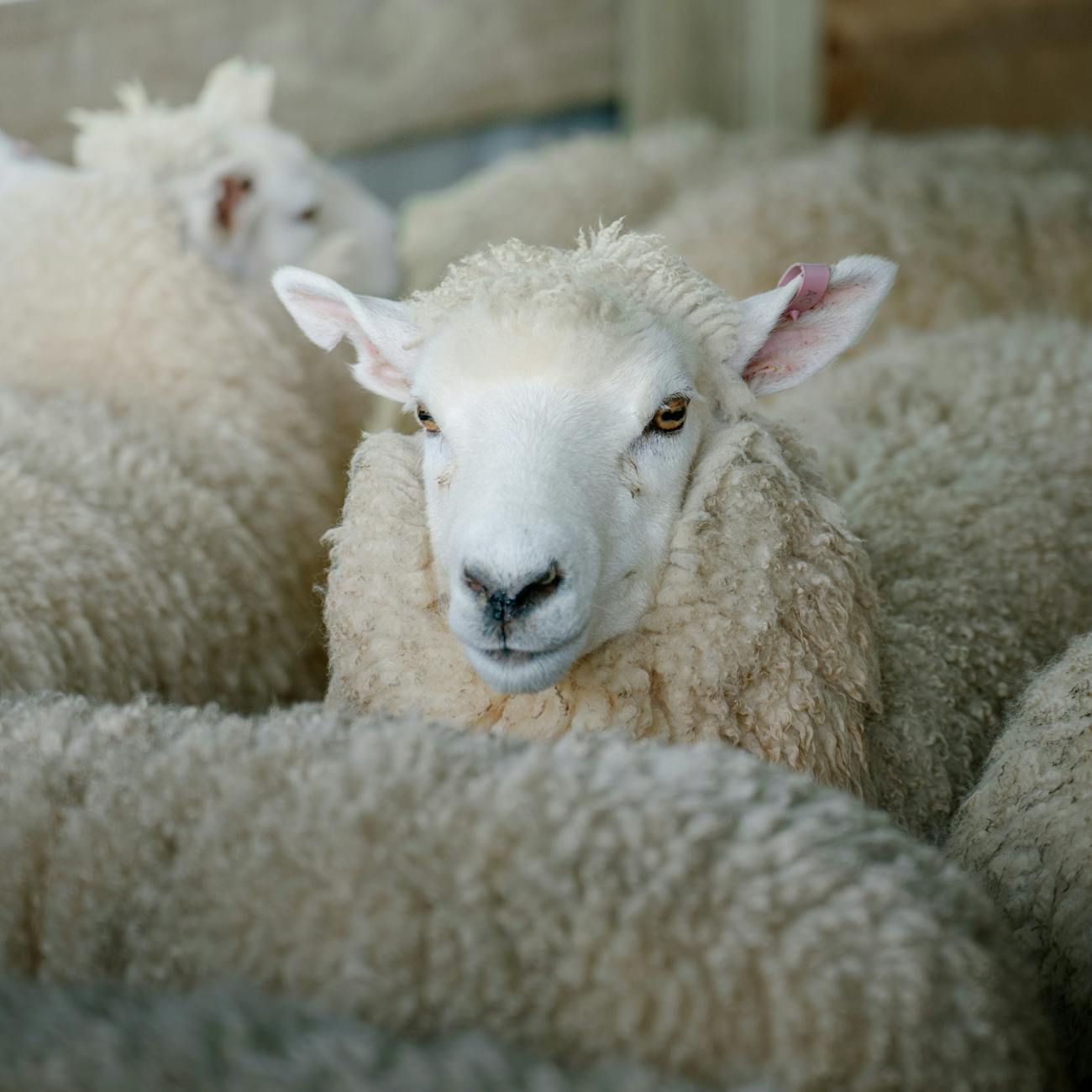
Livestock Genomics refers to the study of the complete set of genetic material (genome) of livestock species, such as cattle, pigs, poultry, and sheep. By analyzing the genomes of these animals, researchers can gain insights into various traits, diseases, and evolutionary relationships, leading to improvements in breeding programs and animal production.
Genomic Breeding involves utilizing genomic information to make informed decisions in animal breeding. By integrating genetic data into breeding programs, researchers can accelerate genetic gain and select for favorable traits with greater accuracy. Genomic breeding has revolutionized the field of animal breeding by enabling the selection of superior animals at an early age based on their genetic potential.
Postgraduate Certificate is a qualification obtained after completing a postgraduate program that focuses on a specific area of study, such as livestock genomic breeding. It provides individuals with advanced knowledge and skills in the field, preparing them for roles in research, academia, or industry.
Key Terms and Concepts
1. DNA (Deoxyribonucleic Acid): DNA is a molecule that carries genetic instructions for the development, functioning, growth, and reproduction of all living organisms. In livestock genomics, DNA serves as the blueprint for an animal's traits and characteristics.
2. Genome: The genome is the complete set of genetic material (DNA) in an organism. In livestock genomics, the genome of an animal species contains all the genetic information that determines its physical traits, behavior, and physiological processes.
3. Genotype: The genotype refers to the genetic makeup of an organism, including all the genes and genetic variations present in its genome. In livestock genomics, the genotype influences an animal's phenotype (observable traits) and plays a crucial role in breeding programs.
4. Phenotype: The phenotype is the observable characteristics of an organism, such as its appearance, behavior, and physiological traits. In livestock genomics, the phenotype is influenced by both genetic and environmental factors and is used to assess the performance and suitability of animals for breeding.
5. Single Nucleotide Polymorphism (SNP): SNP is a common type of genetic variation that occurs when a single nucleotide (A, T, C, or G) in the DNA sequence differs between individuals. SNPs are widely used in livestock genomics to identify genetic markers associated with specific traits and diseases.
6. Genomic Selection: Genomic selection is a breeding strategy that uses genomic information to predict the genetic merit of animals for specific traits. By analyzing the DNA of animals and identifying favorable genetic variations, researchers can estimate breeding values and select superior individuals for breeding programs.
7. Quantitative Trait Loci (QTL): QTL are regions of the genome that are associated with quantitative traits, such as growth rate, milk production, and disease resistance. By mapping QTL in livestock species, researchers can identify genetic markers linked to desirable traits and accelerate genetic improvement through selective breeding.
8. Genome-Wide Association Study (GWAS): GWAS is a statistical method used to identify genetic variations associated with specific traits or diseases by comparing the genomes of individuals with different phenotypes. In livestock genomics, GWAS helps researchers pinpoint regions of the genome that influence important traits and develop markers for genomic selection.
9. Bioinformatics Tools: Bioinformatics tools are software programs and algorithms designed to analyze, interpret, and visualize biological data, such as DNA sequences, gene expression profiles, and protein structures. In livestock genomics, bioinformatics tools play a crucial role in processing large-scale genetic data and extracting meaningful insights for breeding programs.
10. Genome Assembly: Genome assembly is the process of reconstructing the complete sequence of an organism's genome from short DNA fragments obtained through sequencing technologies. In livestock genomics, genome assembly helps researchers create reference genomes for different species and analyze genetic variations across populations.
11. Comparative Genomics: Comparative genomics is the study of similarities and differences in the genomes of different species to understand evolutionary relationships, gene function, and genetic diversity. In livestock genomics, comparative genomics enables researchers to identify conserved genes, study gene expression patterns, and uncover genetic adaptations in livestock species.
12. Functional Annotation: Functional annotation is the process of assigning biological functions to genes or DNA sequences based on experimental evidence or computational predictions. In livestock genomics, functional annotation helps researchers understand the roles of genes in various biological processes, such as growth, reproduction, and immune response.
13. Metagenomics: Metagenomics is the study of genetic material recovered directly from environmental samples, such as soil, water, or feces, to analyze the microbial communities present in a particular ecosystem. In livestock genomics, metagenomics is used to investigate the microbiome of animals, study host-microbe interactions, and improve animal health and production.
14. Data Integration: Data integration is the process of combining and analyzing multiple types of biological data, such as genomics, transcriptomics, proteomics, and metabolomics, to gain a comprehensive understanding of complex biological systems. In livestock genomics, data integration helps researchers unravel the genetic basis of traits, predict breeding values, and optimize breeding strategies.
15. Ethical Considerations: Ethical considerations in livestock genomics involve addressing issues related to animal welfare, genetic privacy, data sharing, and intellectual property rights. Researchers and breeders must adhere to ethical guidelines and regulations to ensure the responsible use of genomic technologies and promote sustainable livestock production.
Practical Applications
Livestock genomics has numerous practical applications in animal breeding, agriculture, and veterinary medicine. Some of the key applications include:
- Improving breeding programs: Genomic selection enables breeders to identify and select animals with superior genetic potential for desired traits, such as milk production, meat quality, and disease resistance. - Enhancing productivity: By understanding the genetic basis of important traits, researchers can develop breeding strategies to enhance the productivity and profitability of livestock species. - Disease resistance: Genomic studies help identify genetic markers associated with disease resistance in livestock, allowing breeders to select animals with enhanced immunity and reduce the risk of infectious diseases. - Conservation genetics: Genomic data is used to assess genetic diversity, population structure, and inbreeding levels in endangered livestock species, guiding conservation efforts and preserving genetic resources. - Precision medicine: Genomic information is applied in veterinary medicine to diagnose genetic disorders, predict disease risks, and personalize treatment strategies for individual animals.
Challenges and Future Directions
Despite the significant advancements in livestock genomics, several challenges remain in the field, including:
- Data management: Managing large-scale genomic data poses challenges in storage, processing, and analysis, requiring efficient bioinformatics tools and computational resources. - Genomic complexity: Understanding the complex interactions between genes, environment, and phenotypes presents challenges in predicting breeding values accurately and optimizing genetic improvement. - Ethical considerations: Addressing ethical issues related to genetic privacy, data sharing, and animal welfare requires the development of clear guidelines and policies to ensure responsible use of genomic technologies. - Integration of multi-omics data: Integrating data from different omics technologies, such as genomics, transcriptomics, and metabolomics, poses challenges in interpreting complex biological systems and extracting meaningful insights for breeding programs. - Adoption of genomic technologies: Encouraging the adoption of genomic technologies by livestock producers and breeders, especially in developing countries, requires training, infrastructure, and support to realize the full potential of genomics in animal breeding and production.
In the future, advancements in bioinformatics, genomic technologies, and data analytics will continue to drive innovations in livestock genomics, enabling researchers to unravel the genetic basis of complex traits, improve breeding strategies, and enhance the sustainability of livestock production. By leveraging the power of genomics, researchers and breeders can accelerate genetic progress, ensure food security, and promote the well-being of livestock species worldwide.
Key takeaways
- In the realm of livestock genomics, bioinformatics plays a crucial role in understanding the genetic makeup of animals, identifying genetic variations, and exploring the relationships between genotype and phenotype.
- By analyzing the genomes of these animals, researchers can gain insights into various traits, diseases, and evolutionary relationships, leading to improvements in breeding programs and animal production.
- Genomic breeding has revolutionized the field of animal breeding by enabling the selection of superior animals at an early age based on their genetic potential.
- Postgraduate Certificate is a qualification obtained after completing a postgraduate program that focuses on a specific area of study, such as livestock genomic breeding.
- DNA (Deoxyribonucleic Acid): DNA is a molecule that carries genetic instructions for the development, functioning, growth, and reproduction of all living organisms.
- In livestock genomics, the genome of an animal species contains all the genetic information that determines its physical traits, behavior, and physiological processes.
- Genotype: The genotype refers to the genetic makeup of an organism, including all the genes and genetic variations present in its genome.